





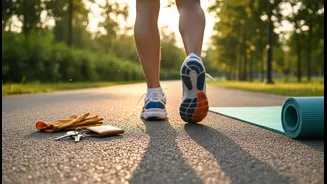


The Science of a Simple Stroll
One of the most significant benefits of walking after eating is its effect on blood sugar. After a meal, carbohydrates break down into glucose, causing blood sugar levels to rise. A short walk prompts your muscles to use this glucose for energy, which
helps prevent sharp spikes and keeps your levels more stable. Studies show that even a brief two-to-five-minute walk can begin to lower blood sugar. Several analyses have found that walking for about 10 minutes after a meal can be highly effective for managing post-meal glucose. This gentle activity also aids digestion by stimulating the stomach and intestines, helping food move through your system more rapidly and potentially reducing symptoms like bloating and gas.
Beyond Blood Sugar and Digestion
The benefits don’t stop in your digestive system. Regular post-meal walks contribute to better heart health over time. Physical activity is linked to lower blood pressure and reduced levels of 'bad' LDL cholesterol, which in turn lowers the risk for cardiovascular issues. Incorporating three 10-minute walks a day is a practical way to meet recommended weekly exercise goals. Furthermore, this simple habit can boost your mood and provide a moment of mental clarity. In a world of sedentary work, a short walk is a perfect way to break up long periods of sitting, which is crucial for long-term metabolic health and even maintaining muscle mass.
From Chore to Cue: Building the Habit
The real magic of this practice lies in turning it into an automatic habit, not another item on your to-do list. This is where the idea of a “movement cue” comes in. Instead of seeing the end of a meal as a signal to sit down, you reframe it as a signal to stand up and walk. This is a classic example of 'habit stacking'—linking a new, desired behaviour (walking) to an existing one (finishing a meal). The meal becomes the trigger. At first, it requires conscious effort, but with consistency, the association becomes automatic. You finish eating, and your brain and body know it’s time for a gentle stroll. It becomes a natural, effortless part of your routine, like brushing your teeth after breakfast.
Your 10-Minute Blueprint
Making this work is all about simplicity. You don't need special gear or a lot of time. Aim to start your walk within about 10 to 30 minutes of finishing your meal, as this is an optimal window for blunting the glucose spike. The pace should be relaxed and comfortable, not a high-intensity power walk that could cause discomfort. If you're at the office, a few laps around your building or even through the hallways will do. At home, a walk around the block is perfect. The goal isn’t to burn a massive number of calories; it’s about gentle movement to aid your body's natural processes. Even a five-minute walk is better than none.
Overcoming Common Hurdles
Life can get in the way of even the best intentions. What if it’s raining, you’re short on time, or you feel too full? Don’t let perfection be the enemy of progress. If the weather is bad, walk indoors. Pace around your living room or walk up and down a flight of stairs. If you only have five minutes between meetings, take them. Even that short burst of activity is beneficial. If you feel uncomfortably full, wait 10 to 15 minutes before you start. The key is consistency over intensity. The habit is built not on one perfect 10-minute walk, but on hundreds of imperfect but consistent ones. Start small, be flexible, and focus on simply showing up for yourself after each meal.