






Beyond Bhujia: The Scale of the Opportunity
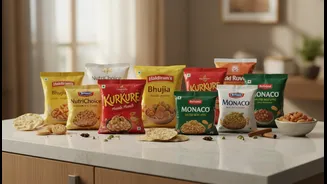
The global rise of Indian snack brands is no longer a niche trend; it's a measurable, accelerating export category. Between 2019 and 2024, India's snack exports more than doubled, climbing to $1.2 billion annually. This isn't just about the Indian diaspora
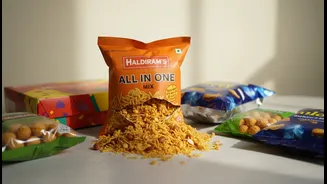
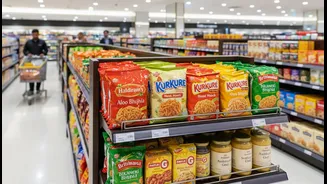
craving a taste of home. Brands like Haldiram's, which now exports to over 80 countries, and Bikaji, a prominent name in over 30 countries including the US and in Europe, are moving from ethnic aisles to mainstream retail shelves. This signals a crucial shift: Indian snacks are being positioned as global grocery staples, not just specialty imports. For Indian food businesses, this represents a massive opportunity to cater to a worldwide audience whose interest in Indian flavours is growing rapidly.
The Authenticity vs. Adaptation Playbook
For any Indian brand going global, the first strategic hurdle is deciding between maintaining authentic recipes and adapting to local palates. There is no single right answer. Some companies, like Haldiram's, have found success by largely sticking to their original flavours, building a reputation on consistency and authenticity. Others implement a dual-menu approach, offering traditional versions alongside milder or slightly modified products tailored for international tastes. This might involve adjusting spice levels, altering textures, or incorporating familiar local ingredients. For aspiring exporters, the key is thorough market research to understand regional preferences before committing to a strategy. The decision ultimately shapes the brand's identity and its target consumer base in a new market.
The Hidden Hurdles: Supply Chains and Regulations
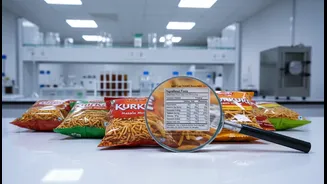
While flavour is king, logistics and compliance are the kingmakers. Expanding abroad involves navigating a maze of different food safety regulations, packaging laws, and quality standards that are often far stricter than domestic ones. The European Union, for example, has stringent rules on pesticide residues and contaminants, leading to rejections of Indian agricultural shipments. Success requires major investment in the supply chain: from ensuring quality control at the farm level to using modern packaging that extends shelf life and meets international labelling norms. Brands that master this operational side—ensuring traceability, consistency, and adherence to certifications—are the ones that build lasting trust with global retailers and consumers.
A Diner's Guide to the Global Indian Snack
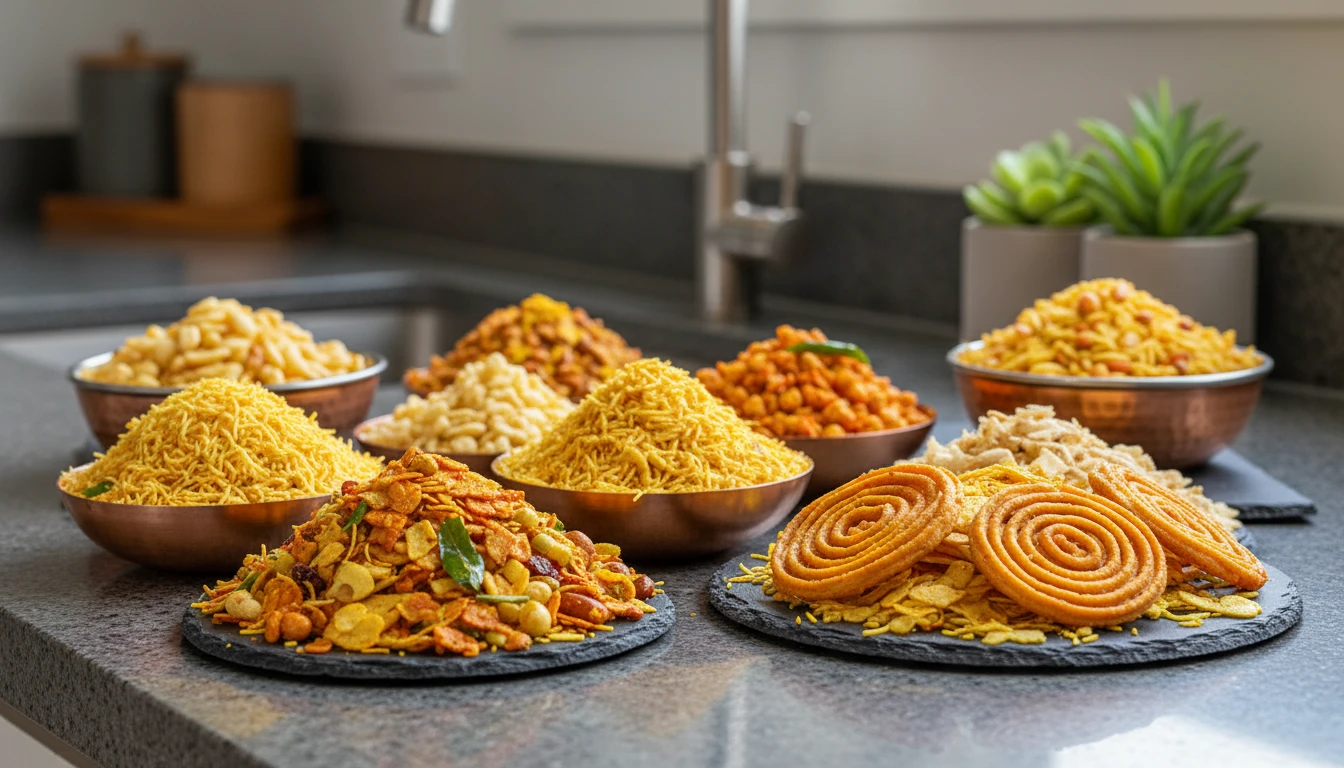
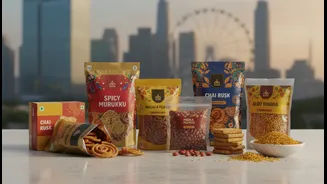
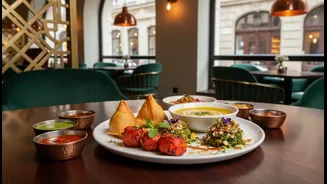
As a consumer, how do you read this evolving landscape? Firstly, understand that a familiar brand might taste different abroad, and that is often by design. A 'milder' samosa isn't necessarily inauthentic; it's a strategic choice to appeal to a broader audience. Secondly, look beyond the legacy names. A new wave of Indian brands is entering the global market, focusing on health-conscious niches like high-protein makhana, baked snacks, and clean-label ingredients. These challenger brands often align with global wellness trends, positioning themselves in health food aisles rather than traditional ethnic sections. For the adventurous diner, this means a wider, more diverse array of choices that reflect both tradition and modern food science.
The Next Frontier: Health, Region, and Innovation
The story of Indian snacks abroad is still being written. The next chapter will likely be defined by three key trends. First, the 'mindful indulgence' movement, which combines traditional flavours with healthier profiles like low-carb or high-protein. Brands like The Whole Truth and Ketofy are already pioneering this in the domestic market. Second, the rise of regional cuisines. As global palates become more sophisticated, there is growing interest in specific regional specialties from places like Kerala or Goa, moving beyond generic 'Indian curry'. Finally, innovation in food technology will be crucial for scaling up while maintaining quality. For businesses and diners alike, the future promises an Indian snack aisle that is more diverse, healthier, and more exciting than ever before.