


Understanding GRAP Stage 1
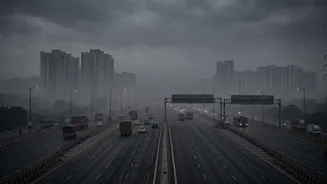
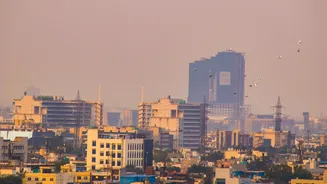
The Graded Response Action Plan (GRAP) is an emergency protocol that activates progressively tougher measures as the air quality in Delhi and its surrounding regions worsens. Stage 1 is triggered when the Air Quality Index (AQI) falls into the 'poor'
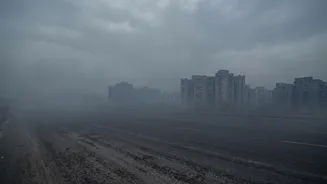
bracket, between 201 and 300. The Commission for Air Quality Management (CAQM) invoked these measures on October 21, after Delhi's AQI rose sharply, as a preventative step to control pollution before it reaches more severe levels. The goal is to curb polluting activities at the source and avoid the 'very poor' and 'severe' air quality episodes that plague the region in winter.
Construction and Demolition Under Scrutiny
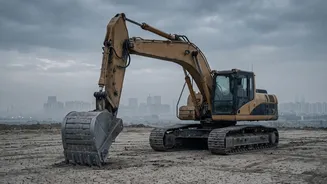
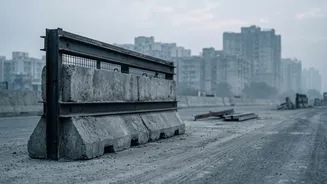
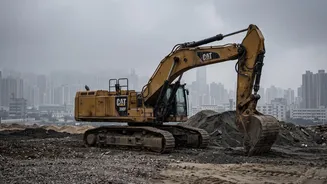
A primary focus of GRAP-1 is controlling dust from construction and demolition (C&D) activities, a major contributor to particulate matter pollution. All C&D projects must strictly enforce dust mitigation measures. This includes using anti-smog guns, regular water sprinkling, and keeping all materials and waste properly covered. Most importantly, projects on plots of 500 square metres or more cannot operate unless they are registered on the government's web portal for remote monitoring of their dust control compliance. Agencies will intensify inspections, and sites found violating these norms will face heavy penalties. The transport of C&D waste is only permitted in fully covered vehicles.
Restrictions on Industries and Eateries
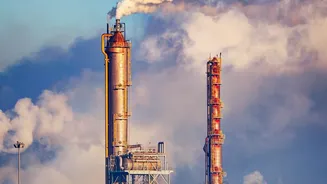
Industries and commercial establishments also face immediate curbs. The use of coal and firewood in tandoors at hotels, restaurants, and other eateries is now banned. These establishments must switch to electricity, natural gas, or other clean-fuel appliances. Furthermore, the use of diesel generator sets is restricted. They can only be operated for emergency and essential services as specified by the rules. All industrial units must adhere to pollution control norms, and authorities will crack down on illegal or non-compliant units operating in the region.
Traffic and Vehicle Rules
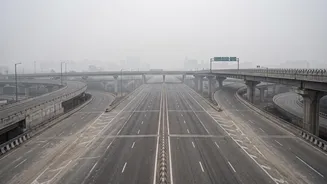
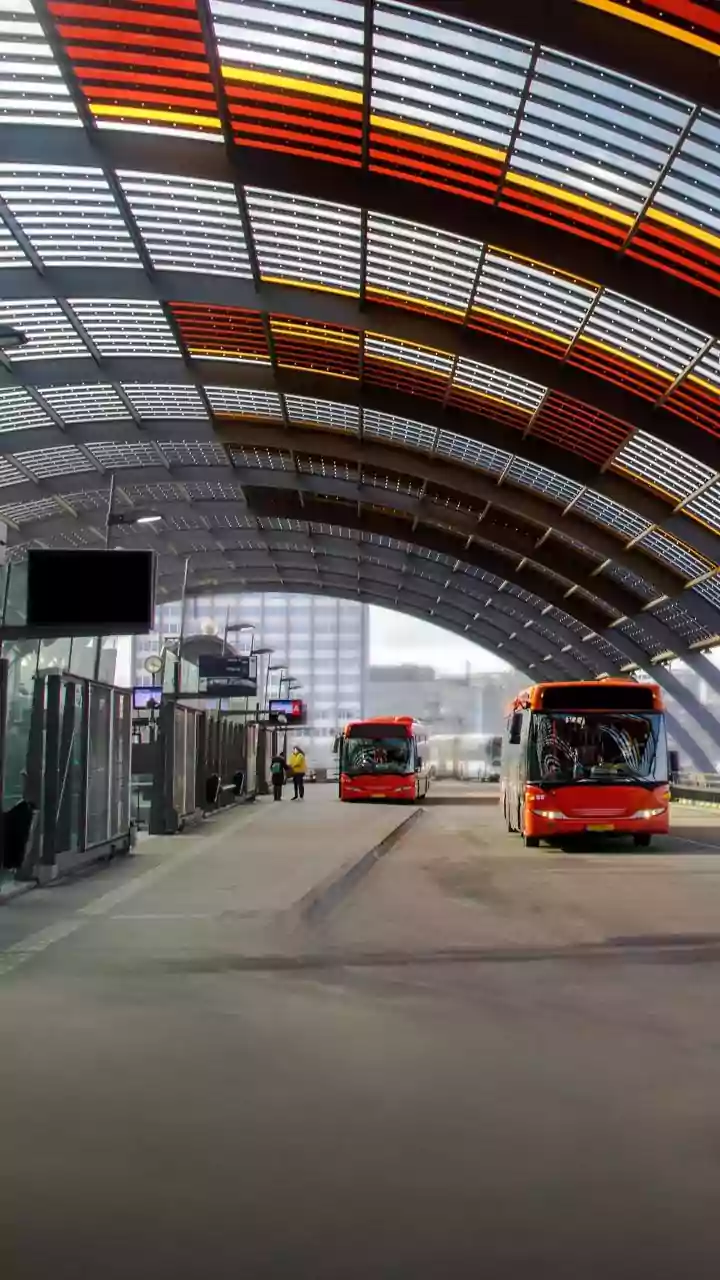
To tackle vehicular emissions, GRAP-1 mandates stricter enforcement of existing transport regulations. Authorities will intensify checks for valid Pollution Under Control (PUC) certificates and take action against visibly polluting vehicles, which can include fines or impounding. The existing ban on over-aged petrol and diesel vehicles will be strictly enforced. A key measure is the diversion of non-destined truck traffic; trucks passing through Delhi without a local destination must use the Eastern and Western Peripheral Expressways. Additionally, interstate buses from neighbouring states can only operate in Delhi-NCR if they are electric, CNG-powered, or compliant with BS-VI diesel standards.
What You Can Do as a Resident
While many rules target large-scale polluters, residents are encouraged to contribute. Authorities have urged the public to rely on public transport, maintain their vehicles properly, and ensure PUC certificates are up to date. Open burning of garbage, leaves, and any other waste is strictly prohibited, and violations should be reported via official apps like Green Delhi. On days with poor air quality, it is advisable to reduce strenuous outdoor activities like jogging or running. Following these guidelines not only helps in collective efforts to improve air quality but also reduces personal exposure to harmful pollutants.