






The Problem with Raw Sprouts
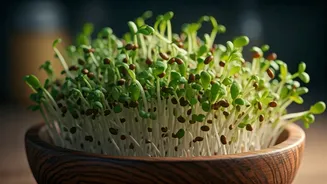
Let’s be honest. For many, a bowl of raw sprouts is a chore, not a treat. We eat them because they are nutritional powerhouses, packed with protein, fibre, and vitamins. But the earthy, sometimes bitter taste and chewy, uninspiring texture can be off-putting.
The common belief is that eating them raw is the only way to get their full benefit, leading many to simply mix them with chopped onion, tomato, and a squeeze of lemon. While this is a decent start, it rarely converts the sceptics. This approach often fails to address the core issues: the slightly raw, grassy flavour and the fact that for some, raw sprouts can be difficult to digest, leading to bloating and discomfort. It’s time to rethink our relationship with these humble ingredients.
The Golden Rule: A Touch of Heat
The secret to making sprouts genuinely delicious is incredibly simple: cook them. A small amount of heat is the game-changer you’ve been missing. Lightly cooking your sprouts for just a few minutes transforms them completely. The heat neutralises the raw, grassy flavour, replacing it with a more pleasant, nutty taste. It also softens their texture just enough to make them tender yet still satisfyingly crunchy, a far cry from the mushy texture of over-boiled sprouts. Furthermore, light cooking can make sprouts easier on the digestive system for many people. The goal isn’t to boil them into submission but to give them a quick, flavour-enhancing blast of heat that elevates them from a health obligation to a culinary delight.
Technique 1: The Two-Minute Sauté
This is perhaps the fastest and most effective way to improve your sprouts. The method is straightforward and perfect for a quick breakfast or a light lunch. Heat a teaspoon of ghee or your preferred cooking oil in a pan. Once hot, add half a teaspoon of cumin seeds (jeera) and let them splutter. You can also add a pinch of asafoetida (hing) and turmeric (haldi) for flavour and digestive benefits. Immediately toss in your sprouts (moong, moth, or a mix work wonderfully). Sauté on medium-high heat for just two to three minutes, stirring continuously. The sprouts should remain crisp but lose their raw edge. Finish with a sprinkle of salt, black pepper, or chaat masala and a squeeze of fresh lemon juice. This simple sauté takes less time than chopping vegetables for a salad and delivers a vastly superior result.
Technique 2: The Magic of Tadka
The tadka, or tempering, is a cornerstone of Indian cooking, and it works wonders on sprouts. This method involves pouring hot, spice-infused oil over the sprouts, lightly cooking them and infusing them with flavour simultaneously. Place your sprouts in a heat-proof bowl. In a small pan or tadka ladle, heat a tablespoon of oil. Add mustard seeds, and once they start to pop, add a chopped green chilli, a few curry leaves, and a pinch of asafoetida. For a South Indian flavour, you can add some urad dal for crunch. Pour this sizzling tadka directly over the sprouts and mix well. The heat from the oil will gently wilt the sprouts and toast them slightly, releasing a beautiful aroma. Add salt to taste and garnish with fresh coriander. It’s a fantastic base for a warm sprout chaat—just add chopped onions and tomatoes after the tadka.
Technique 3: Beyond the Salad Bowl
Once you’ve mastered the art of lightly cooking sprouts, you can start incorporating them into your favourite dishes to boost both nutrition and texture. Stir a handful of sautéed sprouts into your poha or upma in the last minute of cooking for an added protein kick. Use a bowl of tadka sprouts as a crunchy, savoury topping for dahi vada or even on toast with a layer of chutney. You can also mix them into bhel puri for a healthier crunch or use them as a filling for dosas and chillas. By integrating them into familiar meals, you make them a natural part of your diet rather than a separate, standalone health food. This approach makes it easier to enjoy their benefits without feeling like you’re making a sacrifice for health.