





The Illusion of the Low Price
Our brains are wired to favour small, easy purchases over larger ones, a psychological quirk that marketers understand well. This is why we might grab a handful of single-serving items without a second thought, only to be surprised at the total cost.
The real trap isn't just the final bill at the checkout; it's the accumulated cost of waste. A cheap, flimsy product that needs to be replaced often costs more in the long run than a durable, higher-quality alternative. This principle is best understood through the concept of 'cost per use'. A high-quality pair of shoes that costs ₹2000 and lasts for 400 wears has a cost per use of just ₹5. A cheaper pair costing ₹500 that wears out after only 50 uses has a cost per use of ₹10, making it twice as expensive over its lifetime. Thinking in terms of cost per use, instead of just the initial price, shifts the focus from short-term spending to long-term value.
The Sachet Economy's Hidden Debt
In India, the 'sachet economy' is a powerful force, making products from detergent to coffee accessible in tiny, affordable packets. While this model allows low-income consumers to purchase daily necessities, it comes with a steep environmental and financial price. These single-use sachets are typically made of multi-layered plastics that are nearly impossible to recycle. As a result, they clog waterways, pollute landscapes, and contribute significantly to our waste crisis. While a single sachet seems negligible, billions are used and discarded, creating a mountain of non-degradable trash. The long-term cost of managing this waste—or the environmental damage from not managing it—is a debt passed on to society. For the consumer, the affordability is also an illusion. Buying a product in tiny increments is almost always more expensive per gram or millilitre than buying a larger container.
When Buying in Bulk Backfires
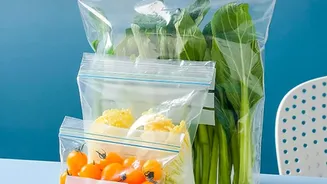
The common advice to save money is often to buy in bulk. While this can reduce packaging and offer lower per-unit prices, it's a strategy that can easily backfire. Studies have shown that households that buy in bulk often end up throwing away more food. People tend to be overly ambitious with their grocery shopping, purchasing perishable items like fruits, vegetables, and bread in quantities they can't consume before spoilage. A large bag of spinach that wilts in the fridge or a 'buy one, get one free' deal on bread that goes mouldy is not a saving; it's wasted money. The key to successful bulk buying is planning. It works best for non-perishable items with a long shelf life, such as grains, lentils, or cleaning supplies. For fresh produce, more frequent trips to the store for smaller quantities can lead to less waste and ultimately, more savings.
Rethinking Convenience and Disposables
Our modern lives are filled with single-use items designed for convenience: disposable coffee cups, plastic cutlery, and paper plates. While the individual cost seems small, it adds up. A daily ₹150 coffee in a disposable cup can amount to over ₹50,000 in a year. Investing in a reusable cup not only eliminates that daily waste but also offers long-term savings, as many cafes offer a discount for bringing your own. The same logic applies to water bottles. A reusable bottle, while having a higher initial cost, saves you from repeatedly buying single-use plastic bottles, which are both expensive and environmentally harmful. By making a one-time investment in quality reusable items, you reduce the constant stream of small, wasteful purchases that drain your wallet and pollute the planet. The true cost of convenience is often far greater than we realise.