








The End of Spontaneity?
Not quite. But the dream of a spontaneous international trip has run into the hard wall of reality. Lengthy visa processing times, fluctuating flight costs, and overcrowded destinations have taught Indian travellers a crucial lesson: the best trips are
often the best-planned ones. According to travel industry reports, the window between booking and travelling has widened significantly. Where pre-pandemic travellers might have booked a month or two in advance, families and solo explorers are now locking in plans six to nine months ahead, especially for popular destinations in Europe and North America. This isn't about a loss of adventurous spirit; it's about reclaiming control in an unpredictable travel landscape. Strategic planning has become the new travel hack, ensuring that hard-earned money and precious leave days result in a seamless experience, not a logistical nightmare.
The Visa Gauntlet
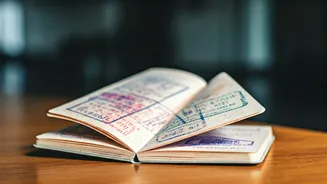
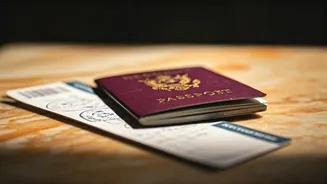
More than any other factor, the visa application process is shaping the modern Indian traveller's itinerary. Horror stories of month-long waits for appointments and uncertain timelines have made travellers pivot in two key ways. First, there's a growing preference for destinations offering visa-free or visa-on-arrival facilities. Countries in Southeast Asia like Thailand and Malaysia, as well as destinations like Sri Lanka and Kazakhstan, have seen a surge in interest from Indians seeking hassle-free entry. Second, for those with their hearts set on the West, the strategy is to think long-term. Travellers are applying for 10-year multiple-entry visas for the US and other countries well before they have any concrete travel plans. This forward-thinking approach decouples the stressful visa process from the immediate holiday plan, turning a long-term visa into an asset that enables future, more spontaneous trips.
Chasing Value Over Deals
The new Indian traveller is a connoisseur of value, not just a hunter of discounts. The lowest price is no longer the only metric for a good trip. Strategic planners understand that true value lies in the overall experience. This means travelling during the 'shoulder seasons'—the months just before and after the peak tourist rush (like April-May or September-October for Europe). Flights are cheaper, crowds are thinner, and the experience is often more authentic. It also involves being currency-smart, choosing destinations where the rupee has more purchasing power. Furthermore, there's a greater appreciation for bundled packages that offer clarity and security. Instead of booking flights, hotels, and activities separately and hoping for the best, many now prefer all-inclusive deals that lock in costs and minimise surprises, protecting them from last-minute price surges.
The Bleisure and Experience Economy
The rise of remote and hybrid work has birthed the 'bleisure' traveller—someone who expertly blends business with leisure. These individuals are planning longer trips, working for a week from a scenic café in a new city before seamlessly transitioning into vacation mode. This trend requires significant forethought, from ensuring reliable internet access to understanding the time-zone logistics. Alongside this, there's a move away from generic sightseeing towards niche, experience-driven travel. Whether it's a wellness retreat in the Himalayas, a diving course in the Andamans, or a culinary tour of Vietnam, these trips require specialised planning. Travellers are doing more in-depth research, connecting with local operators, and curating itineraries that align with their specific passions, moving far beyond the standard tourist trail.