







What is the FAO Food Price Index?
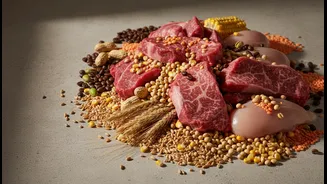
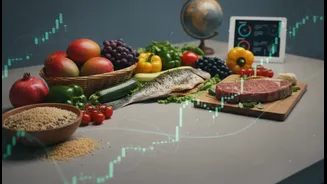
Think of it as a global monthly report card for food costs. The Food and Agriculture Organization (FAO) of the United Nations tracks the international prices of a basket of essential food commodities that are traded worldwide. This basket is split into
five key groups: cereals (like wheat and rice), vegetable oils, dairy, meat, and sugar. By averaging these out, the FAO creates a single index number. This number gives a snapshot of whether global food commodity prices are generally going up or down, providing a crucial indicator for governments, economists, and businesses about trends in the global food supply chain.
The Latest Update: What’s Cooking?
The latest report for June 2026, released in early July, shows a mixed and complex picture. Overall, the main index edged down slightly by 0.3% from May, but it remains 2.2% higher than it was a year ago. This slight dip was driven by lower prices for cereals, sugar, and dairy products. Specifically, international wheat and maize prices fell, thanks to good harvest prospects in key regions like the Black Sea and South America. However, not everything got cheaper. The prices for vegetable oils and meat actually went up. The FAO's vegetable oil index jumped 3.8% in a single month, while the meat index hit a new record high. Crucially for India and much of Asia, the price of rice also increased by 3.2% due to strong demand and weather concerns.
From Global Markets to Your Local Kirana
So, how does the price of palm oil in Malaysia or wheat in the Black Sea region affect the cost of your weekly groceries in India? The connection is through imports. India is one of the world's largest importers of edible oils and also brings in significant quantities of other commodities. When global prices for these items rise, India's import bill gets bigger. This increased cost is then passed down through the supply chain—from importers to manufacturers, and finally to the retail prices you see on the shelf for items like cooking oil, biscuits, and other packaged foods. A stronger US dollar can also make these dollar-denominated commodities more expensive in rupee terms, adding another layer of pressure.
India's Own Inflation Story
While global trends are influential, they don't tell the whole story. India has its own powerful drivers of food inflation. The performance of the monsoon is perhaps the biggest factor, determining the fate of key crops and influencing supply. Government policies, including the Minimum Support Price (MSP) for farmers, also play a crucial role. Recent data for May 2026 showed India's retail inflation was on the rise, largely pushed by an increase in the Consumer Food Price Index. This suggests that even when some global commodity prices are easing, local factors like logistics costs, seasonal vegetable price spikes, and weather uncertainties can keep upward pressure on the prices Indian consumers pay at the market.
What to Watch Next
The latest FAO report reveals a marketplace full of conflicting signals. While lower cereal prices are welcome news, the persistent rise in vegetable oil and meat prices, coupled with an increase in rice costs, presents a more worrying picture for Indian households. The FAO itself notes that concerns over the El Niño weather pattern could impact sugar production in India and Thailand, which helped prevent a steeper fall in global sugar prices. Looking ahead, Indian consumers and policymakers will need to watch the interplay of these global price movements, the progress of the monsoon, and shifts in domestic demand. These factors combined will ultimately determine the direction of your food budget in the coming months.