



What Exactly Is This Humble Superfood?
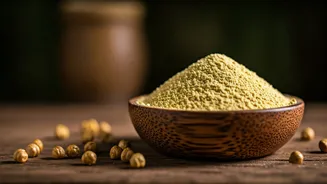
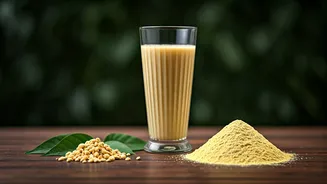
Before it became a buzzword in modern wellness circles, sattu was a staple food across states like Bihar, Jharkhand, Uttar Pradesh, and Punjab. At its core, sattu is a flour made from roasted grams (chana) or a mixture of roasted grains and pulses. This
roasting process is key; it not only imparts a unique, nutty flavour but also makes the nutrients more readily available for absorption. Often called the ‘poor man’s protein,’ sattu has been the fuel for labourers and farmers for centuries, providing them with the strength and stamina needed for a hard day’s work. It’s affordable, shelf-stable, and incredibly versatile, making it a sustainable choice for anyone looking to boost their nutritional intake without complicated ingredients or high costs.
The Science of Sustained Energy
Why is sattu so effective as an energy booster? The answer lies in its brilliant nutritional composition. Unlike sugary energy drinks that provide a quick spike in glucose followed by a dramatic crash, sattu offers sustained-release energy. It’s packed with complex carbohydrates and has a low glycemic index, meaning it releases sugar into the bloodstream slowly and steadily. This prevents energy slumps and keeps you feeling active for longer. Furthermore, sattu is an excellent source of plant-based protein and dietary fibre. The protein helps in muscle repair and growth, making it a fantastic pre- or post-workout drink, while the high fibre content aids digestion and promotes a feeling of fullness, curbing unhealthy cravings.
More Than Just an Energy Boost
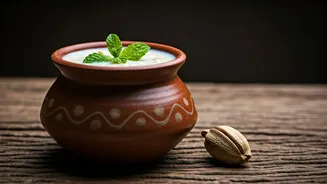
While its energy-giving properties are a major draw, sattu’s benefits don’t stop there. It has natural cooling properties, which is why sattu sharbat is a beloved summer drink across North India, helping to protect the body from heatstroke and dehydration. It’s rich in essential minerals like iron, manganese, and magnesium, which fight fatigue and support overall bodily functions. The insoluble fibre in sattu is also great for gut health, helping to cleanse the colon and alleviate issues like constipation and bloating. For those managing their weight or blood sugar levels, sattu is a smart addition to the diet due to its low-calorie, high-satiety profile.
Your Go-To Sattu Sharbat Recipes
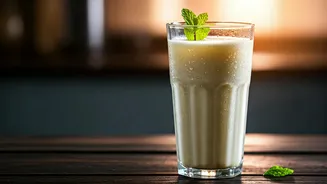
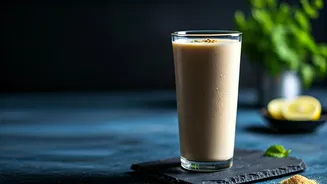
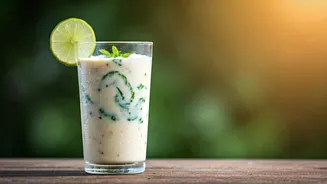
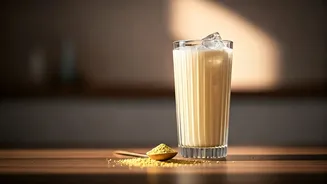
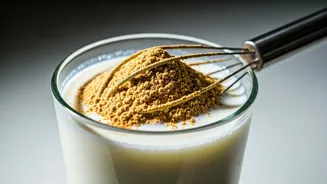
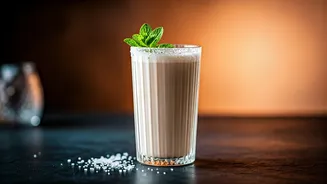
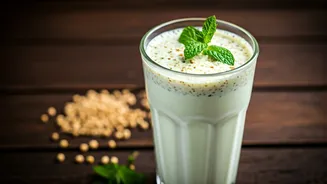
Ready to give it a try? Making a sattu drink is incredibly simple and takes less than five minutes. Here are two classic recipes to get you started: **1. Namkeen (Savoury) Sattu Sharbat:** This is the perfect refreshing drink for a hot day. - In a glass, add 2-3 tablespoons of sattu flour. - Pour in a glass of chilled water and stir vigorously to ensure there are no lumps. - Add the juice of half a lemon, a pinch of black salt (kala namak), and a pinch of roasted cumin powder (bhuna jeera). - Stir well. For extra flavour, you can add finely chopped onions, green chillies, and fresh coriander. **2. Meetha (Sweet) Sattu Sharbat:** This version is great for a quick breakfast or a healthy sweet treat. - In a glass, mix 2-3 tablespoons of sattu flour with a little water to form a smooth paste. - Gradually add a glass of cold water or milk, stirring continuously. - Sweeten with 1-2 teaspoons of jaggery powder (gud) or honey. Avoid refined sugar to keep it healthy. - Stir until the sweetener dissolves completely and serve.
When to Power Up with Sattu
The versatility of sattu makes it suitable for consumption at various times of the day. A glass of sattu sharbat in the morning can provide you with the energy needed to kickstart your day, keeping you full until lunch. As a pre-workout drink, it can fuel your exercise session, and as a post-workout drink, its protein content can aid in muscle recovery. It’s perhaps most famous as a mid-day meal or a 4 PM snack to beat the afternoon slump. Instead of reaching for coffee or a sugary snack, a glass of sattu will re-energise you without disrupting your sleep later. It’s a quick, no-cook solution for busy days when you need a nutritious pick-me-up on the go.