


The Great Climate Exodus
For millions across North India, summer has become an endurance test. Temperatures regularly soaring past 110°F (43°C) are no longer just an inconvenience; they are a crippling, dangerous reality driving a phenomenon some are calling “escape tourism.”
While the wealthy have always fled to cooler “hill stations,” this year’s unprecedented heat, combined with post-pandemic wanderlust and better infrastructure, has pushed a new wave of domestic tourists further and higher than ever before. They are seeking refuge not just from the heat, but from the very feeling of being trapped by a hostile climate. Social media feeds that were once filled with tropical beach getaways are now dominated by images of stark, snow-dusted mountains and prayer flags fluttering in a crisp, cool breeze. The destination at the heart of this digital and physical migration is Zanskar.
Discovering a Land Frozen in Time
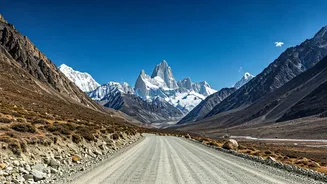
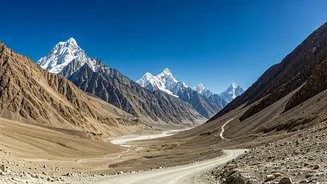
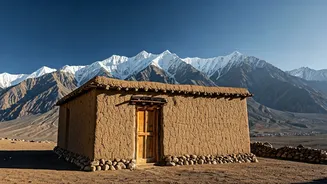
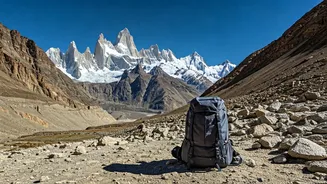
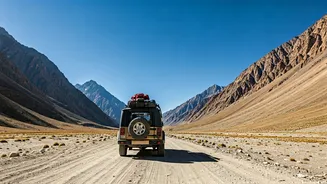
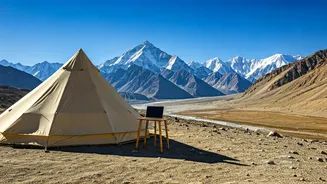
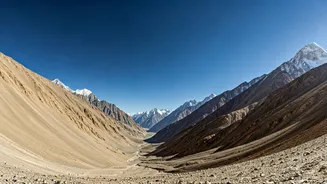
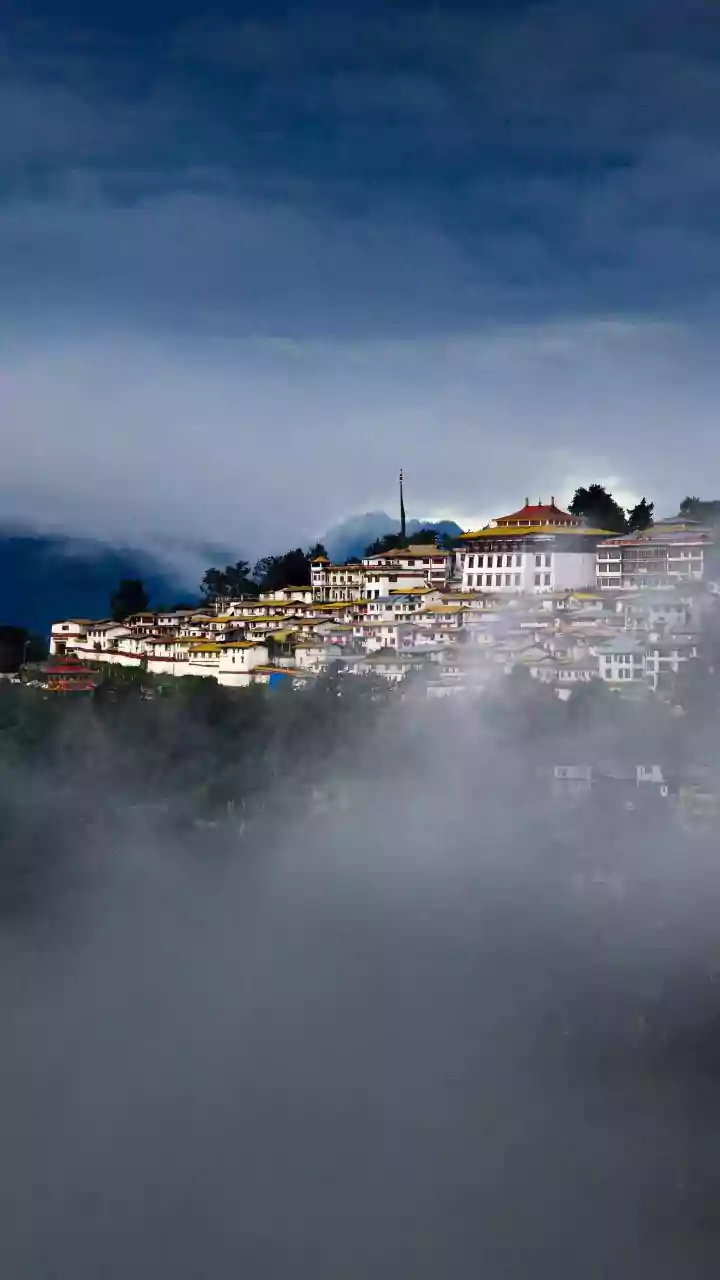
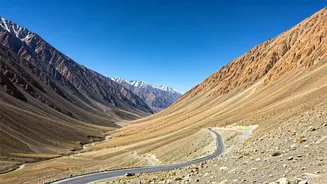
Until recently, Zanskar was the stuff of legend, a destination for only the most intrepid trekkers. Part of the Ladakh region in northern India, it’s a high-altitude cold desert, a moonscape of barren, jagged peaks, turquoise rivers, and ancient monasteries carved into cliffsides. For nearly eight months of the year, snow-choked passes would cut it off from the outside world. Life here, governed by the rhythms of subsistence farming and Tibetan Buddhism, has remained largely unchanged for centuries. However, the recent construction of an all-weather road connecting Zanskar to the rest of Ladakh has been a game-changer. What was once a multi-day, bone-jarring journey is now a dramatic, scenic drive, opening the floodgates to a new type of traveler: families in SUVs, motorcycle clubs, and young professionals escaping the sweltering urban grind. They come seeking the clear, thin air and temperatures that hover in the comfortable 60s and 70s while their homes bake.
The Double-Edged Sword of Discovery
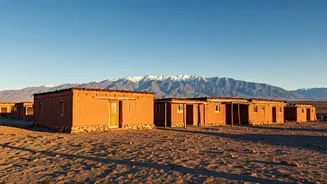
This sudden influx is a classic double-edged sword. For the local Zanskari people, tourism brings a surge of much-needed income. New guesthouses, cafes, and tour operations are springing up, offering economic opportunity in a region with few alternatives. But the boom comes at a cost. Zanskar’s fragile ecosystem is under immense strain. Water, already a scarce resource in a cold desert, is being stretched thin by the demands of hotels and tourists. Fragile alpine flora is trampled by off-road vehicles. And the sudden pile-up of plastic waste and traffic jams feels jarringly out of place in a landscape defined by pristine emptiness. There is also a cultural impact. The sudden exposure to a wave of outside influences and consumer culture poses a challenge to a deeply traditional and non-materialistic way of life. Locals are grappling with how to embrace the economic benefits of tourism without losing the very soul of the place that makes it so special.
A Glimpse of Our Climate Future
The Zanskar trend is more than just a travel story; it's a potential blueprint for the future of leisure in a warming world. As extreme weather events become more common globally, we may see the rise of “climate tourism” not as a niche, but as a mainstream driver of travel. Americans already do this in a smaller way, as “snowbirds” from the Northeast flee winter for Florida. But the Zanskar phenomenon is different—it’s not a planned retirement migration, but an urgent, seasonal escape from unlivable conditions. Imagine residents of Phoenix or Dallas planning month-long summer “work-from-away” trips to cooler climates in the Pacific Northwest or New England. The escape to Zanskar shows a world where travel is less about seeing new things and more about finding temporary refuge. It’s a powerful, and slightly unsettling, preview of how we might adapt our lives, and our vacation plans, on a hotter planet.