

More Than a Garment, It’s a Statement
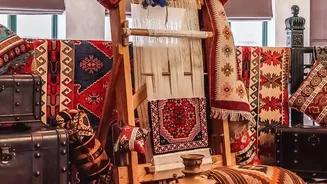
In a world of fast fashion, choosing a handloom saree is a conscious decision. It’s an embrace of authenticity over mass production. Each handwoven piece is unique, carrying slight, beautiful imperfections that are the signature of a human touch—a stark
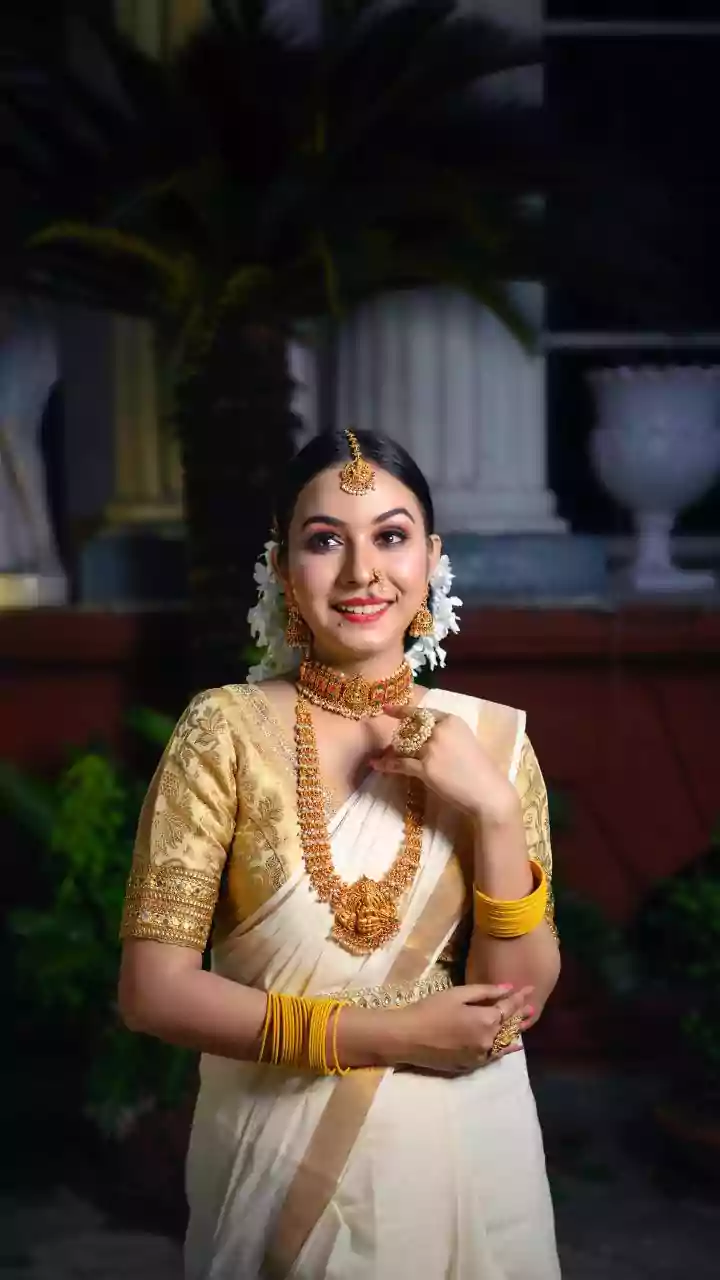
contrast to the perfect uniformity of a power loom. This uniqueness makes the saree a form of personal expression. For many, particularly younger generations, draping a handloom saree is a way to connect with their roots while asserting a modern identity. Influencers and celebrities are frequently seen championing handloom, showcasing its versatility and making it aspirational for a new audience.
The Sustainable Wardrobe Staple
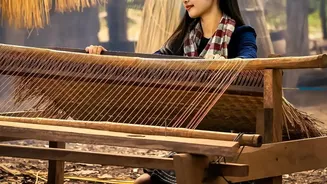
Long before 'sustainability' became a global buzzword, it was woven into the very fabric of Indian handloom. The production process is inherently eco-friendly. Looms are powered by hand, drastically reducing the carbon footprint compared to mechanised production. Many weavers use natural dyes derived from plants and minerals, avoiding the chemical pollution associated with synthetic dyes. These textiles are also known for their durability; a handloom saree is not a disposable item but a cherished possession designed to last for generations, making it a cornerstone of a sustainable, slow-fashion wardrobe.
Weaving Economic and Social Strength
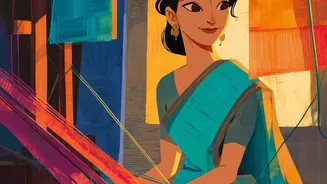
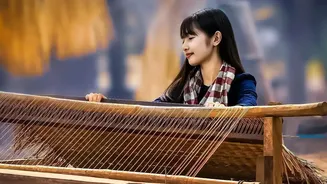
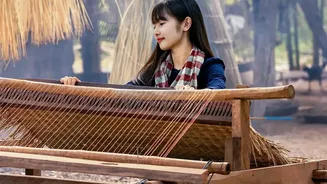
The handloom sector is India's second-largest employer after agriculture, providing a livelihood for millions of weavers and allied workers, many of whom are women in rural areas. According to the 4th All India Handloom Census, nearly 70% of the workforce is female. When you buy a handloom product, the impact is direct and personal. It supports the economic independence of artisans, empowers women, and helps preserve ancient skills that might otherwise vanish. This economic link transforms the saree from a simple purchase into an investment in communities and their cultural heritage.
Modern Twists on an Ancient Weave
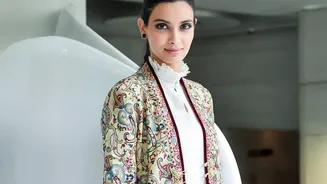
The relevance of the handloom saree today is also a story of brilliant adaptation. Designers and wearers are constantly reinventing this traditional garment for contemporary life. Weavers are creating lighter, more breathable versions in cotton and silk-cotton blends perfect for daily wear, even in warm climates. Designers like Anita Dongre, Ritu Kumar, and Gaurang Shah have been instrumental in taking handloom global, showcasing fabrics like Ikat, Chanderi, and Jamdani in modern silhouettes like blazers, dresses, and trousers. This fusion of traditional craftsmanship with modern design ensures the handloom saree doesn't just survive but thrives, fitting seamlessly into the wardrobe of the modern Indian.
From Office Corridors to Casual Outings
The idea that sarees are cumbersome is being challenged daily. A lightweight handloom cotton saree is breathable, comfortable, and effortlessly elegant for a day at the office or a casual outing. Women are experimenting with different draping styles, pairing sarees with shirts, crop tops, and even jeans. Belts, sneakers, and unconventional blouses are making the saree a canvas for individual style. Social media is filled with inspiration from women who wear sarees to work, travel, and relax, proving that comfort and heritage can coexist beautifully.