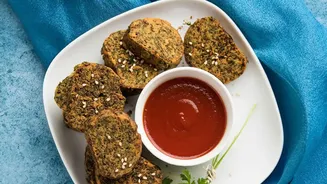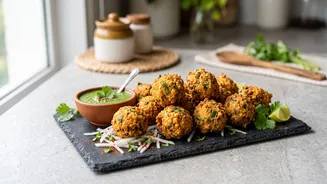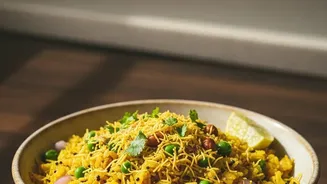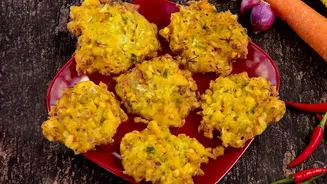



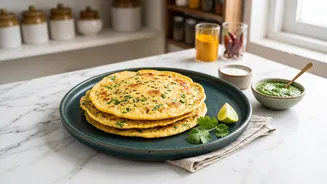
As festive seasons approach, the quest for snacks that are both indulgent and wholesome begins. This simple Oats Tikki with vegetables offers the perfect solution, delivering a satisfyingly crisp texture and delicious flavour using common ingredients.
A Modern Twist on a Festive Favourite
Traditional festive platters in India are often laden with deep-fried snacks that, while delicious, can leave you feeling heavy. The beauty of the Oats Tikki lies in its ability to offer that same satisfying crunch without the excessive oil. By swapping out potatoes or bread for oats as a primary binding agent, this recipe introduces a delightful, slightly chewy and nutty texture that sets it apart from a standard aloo tikki or vegetable cutlet. Oats are not just a binder; they are a nutritional powerhouse, rich in fibre and protein. This makes the tikki more filling and a smarter choice for health-conscious foodies. It’s the perfect way to serve a beloved snack format to friends and family, updated for a more modern, balanced approach to celebratory eating.
Gathering Your Everyday Ingredients
The best part about this recipe is that it relies on ingredients you likely already have. There is no need for a special trip to the store. Here is what you will need: For the Base: - 1 cup rolled oats or quick-cooking oats, dry roasted and coarsely ground - 2 cups mixed vegetables, finely chopped (carrots, beans, peas, corn, and capsicum work well) - 2 medium potatoes, boiled, peeled, and mashed For Flavour and Spice: - 1 green chilli, finely chopped - 1 teaspoon ginger-garlic paste - 1/2 teaspoon turmeric powder - 1 teaspoon red chilli powder (or to taste) - 1 teaspoon garam masala powder - 1 teaspoon chaat masala for a tangy finish - A handful of fresh coriander leaves, chopped - Salt to taste For Binding and Coating: - 2 tablespoons gram flour (besan) or cornflour (optional, for extra binding) - 1/4 cup breadcrumbs or crushed oats for coating - Oil for shallow frying or brushing
Crafting the Perfect Crispy Tikkis
Follow these simple steps to create perfectly textured tikkis every time. The key is to manage the moisture content and not overwork the mixture. 1. Prepare the Vegetables: Begin by steaming or boiling your mixed vegetables until they are just tender. Avoid making them mushy. Drain any excess water completely and let them cool. 2. Create the Mixture: In a large mixing bowl, combine the mashed potatoes, cooked vegetables, coarsely ground oats, ginger-garlic paste, and all the powdered spices (turmeric, red chilli, garam masala, and chaat masala). Add the chopped green chilli, coriander leaves, and salt. Mix everything gently but thoroughly. If the mixture feels too moist, add a tablespoon or two of gram flour to help it bind. 3. Shape the Tikkis: Rub a little oil on your palms to prevent sticking. Take a small portion of the mixture and roll it into a ball, then flatten it gently to form a tikki of about half an inch thickness. Repeat until all the mixture is used. 4. Coat and Cook: Lightly coat each tikki in breadcrumbs or the extra ground oats. This step is crucial for achieving a crispy exterior. Heat a non-stick pan or tawa with a few tablespoons of oil. Place the tikkis on the pan and cook on medium heat for 4-5 minutes on each side, until they are golden brown and crisp. Alternatively, you can brush them with oil and air fry at 180°C for 15-20 minutes, flipping halfway through.
Tips for Unbeatable Texture and Taste
To elevate your oats tikkis from good to great, keep these simple tips in mind. Dry roasting the oats before grinding them enhances their nutty flavour and helps absorb excess moisture, which is key to a non_soggy tikki. Secondly, ensure your boiled potatoes and vegetables are well_drained and cooled before mixing; hot or wet ingredients can make the mixture sticky and difficult to shape. For an extra flavour dimension, you can add finely chopped onions, but be sure to squeeze out their water first. Finally, don’t overcrowd the pan while frying. Cooking the tikkis in batches gives them enough space to crisp up evenly on all sides. These small adjustments make a world of difference in the final result.