






Choosing fruit seems simple—they're all healthy, right? But when you're mindful of sugar, the details matter. Let's break down two favourites, pineapple and pear, to see how their nutritional profiles really compare, from sugar to vitamins.
The Sugar Breakdown
At a glance,
pineapple and pear seem to have very similar sugar content. Per 100 grams, both fruits contain nearly 10 grams of natural sugar. A standard cup of pineapple chunks has about 16 grams of sugar, while a medium-sized pear contains around 17 grams. However, the numbers don't tell the whole story. The key difference lies in how our bodies process that sugar, which is influenced by other factors in the fruit.
Glycemic Index: The Real Impact
The glycemic index (GI) measures how quickly a food raises blood sugar levels. This is where pineapple and pear really diverge. Pears have a low GI of around 38, meaning they cause a slower, more gradual rise in blood sugar. This makes them an excellent choice for sustained energy and for individuals managing blood sugar levels. In contrast, pineapple has a medium GI, typically ranging from 59 to 66. This means it can raise blood sugar more quickly than a pear, something to be mindful of, especially for those with diabetes.
The Fibre Factor
Fibre is a crucial nutrient for digestive health and helps slow the absorption of sugar, preventing sharp spikes in blood glucose. In this category, the pear is a clear winner. A single medium pear packs about 6 grams of dietary fibre, which is over 20% of the daily recommended intake. Pears are particularly rich in pectin, a type of soluble fibre that supports a healthy gut microbiome. A 100-gram serving of pear contains about 3.1 grams of fibre, more than double that of pineapple, which has about 1.4 grams per 100g. This high fibre content is a major reason for the pear's low GI score.
The Vitamin Verdict
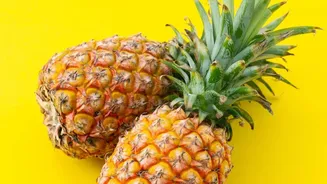
When it comes to vitamins, pineapple takes the lead in one major area: Vitamin C. A single 100nd gram serving of pineapple can provide over half of your daily Vitamin C needs, which is essential for immune function and skin health. It also contains a good mix of B vitamins, including thiamin and B6, which are vital for energy production. Pears offer a more modest amount of Vitamin C but are a good source of Vitamin K, which is important for bone health and blood clotting. They also provide smaller amounts of potassium and copper.
Unique Health Perks
Each fruit brings its own unique benefits to the table. Pineapple is the only known food source of bromelain, a powerful enzyme mixture that aids in protein digestion and has anti-inflammatory properties. This can help reduce swelling and may speed up recovery after injury or exercise. Pears, on the other hand, are celebrated for being gentle on the digestive system and are often recommended as one of the first fruits for infants. Their skin contains beneficial antioxidants like anthocyanins (in red varieties), which are linked to improved heart health.
So, Which Fruit Should You Choose?
There's no single 'healthier' fruit here—the best choice depends on your personal health goals. If you're focused on managing blood sugar and increasing your fibre intake, the low-glycemic, high-fibre pear is an outstanding option. Its ability to provide steady energy makes it a great snack. If you're looking for a major immunity boost from Vitamin C or anti-inflammatory benefits from bromelain, pineapple is the way to go. Its tropical sweetness also makes it a fantastic, healthy alternative to processed desserts. Both are low in calories, with pineapple having slightly fewer (50 calories per 100g) than pears (57 calories per 100g).