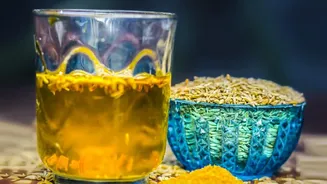








For decades, the Indian soft drinks market has been a two-horse race between global cola giants. But a flavour deeply rooted in Indian tradition is fizzing up, with cumin soda rapidly carving out a significant space on shelves and in coolers.
From Street Carts to Supermarket Shelves
Cumin soda,
or 'jeera' soda, is nothing new to the Indian palate. For decades, it has been a staple refreshment, served by street-side vendors who mix cumin, salt, and other spices into a fizzy, tangy drink beloved for its digestive properties. It was a classic example of an unorganised market, with thousands of small sellers but no single, dominant brand. That has changed dramatically. A new wave of domestic beverage companies has successfully bottled this traditional flavour, transforming it from a roadside treat into a professionally packaged and widely distributed product, available from the smallest kirana store to the largest supermarket. This transition marks a significant shift in the organised beverage sector, which for years prioritised international tastes over local ones.
A Thirst for Tradition and Wellness
The surge in cumin soda's popularity is driven by a confluence of powerful consumer trends. Firstly, there's a growing preference for familiar, ethnic flavours. In a market saturated with colas and lemon-lime drinks, jeera offers a distinctively Indian taste profile—earthy, spicy, and savoury—that resonates with a sense of nostalgia and cultural identity. Secondly, the drink benefits from a strong health perception. Cumin is traditionally known as a digestive aid, and in a market where consumers are increasingly health-conscious, a jeera-based soda is seen as a 'better-for-you' alternative to sugary colas. Some brands are even launching zero-sugar versions to appeal to this segment. This combination of authentic flavour and perceived wellness benefits is proving to be a winning formula.
The Key Players Cashing In
The success of cumin soda is not the story of one brand, but many. Lahori Zeera, which began as a kitchen experiment between three cousins in 2017, has emerged as a major force, with projected annual revenues of up to $120 million. Its success has paved the way for and coincided with the growth of others. Brands like Jeeru, Campa Jeera (from Reliance's Campa Cola), and Parle Agro's Dhishoom are all competing for a slice of the pie. Even older players like House of Bindu, which launched its cumin soda nearly 25 years ago, have seen a massive spike in recent years, with the flavour doubling its contribution to company revenue. According to one report, online orders for these drinks surged by 900% during the summer, highlighting the explosive demand.
Challenging the Cola Dominance
The rise of these domestic brands is having a tangible impact on the market structure. A Kotak Mutual Fund report noted that by September 2025, homegrown beverage companies had collectively captured around 15% of the carbonated drinks market. During the same period, the combined share of global giants Coca-Cola and PepsiCo reportedly declined from about 93% to 85%. This has been described as a 'Jio moment' for the beverage industry, where established players are losing ground to disruptive local challengers who have a better pulse on grassroots tastes and pricing. The affordable Rs 10 price point has been particularly crucial in winning over the mass market. While the global players are taking notice, with Coca-Cola reportedly increasing production of its own cumin brand, Rimzim, the momentum is currently with the Indian upstarts.