


The Tyranny of Distance
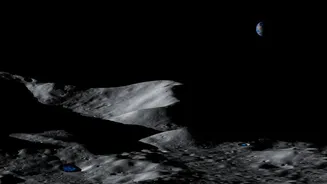
On the Moon, help is not on the way. With communication delays of several seconds and a multi-day journey home, any emergency—be it a medical crisis, equipment failure, or habitat breach—must be handled by the crew on-site. Future missions to Mars will
face even greater isolation, with communication delays exceeding 20 minutes each way. This reality has forced a fundamental shift in mission planning, moving from reliance on Mission Control to a model of extreme self-sufficiency. For the Artemis program and beyond, the goal is to create a resilient, autonomous outpost where astronauts are the first, last, and only line of defense. This means equipping them not just with tools, but with the ability to diagnose, repair, and even manufacture solutions on their own.
The Doctor Will See You Now
A medical emergency in deep space is one of the most daunting scenarios. To prepare, astronauts designated as Crew Medical Officers receive extensive training, but they are not specialist surgeons. To bridge this gap, space agencies are developing a suite of technologies that essentially create a miniature, AI-assisted hospital. This includes portable ultrasound devices, compact blood analyzers, and wearable health monitors that can detect problems before symptoms appear. For more severe cases, researchers are testing telerobotics that would allow a surgeon on Earth to guide a robotic arm performing a procedure on the Moon. Artificial intelligence will also play a crucial role, with systems like 'Daphne-AT' being developed as virtual assistants that can help astronauts troubleshoot complex medical issues without real-time guidance from Earth.
Manufacturing Solutions on Demand
When a critical component breaks on the Moon, you cannot order a replacement part. The solution is to make one. Additive manufacturing, or 3D printing, is a cornerstone of lunar outpost strategy. This technology will allow crews to print spare parts for everything from habitat life support to rover wheels, drastically reducing the need to launch heavy and expensive spares from Earth. Researchers are even exploring ways to use lunar regolith—the Moon's soil—as a raw material for construction and manufacturing. This concept, known as In-Situ Resource Utilization (ISRU), is key to long-term sustainability. By 'living off the land', future lunar inhabitants can build and repair their environment, creating a truly self-sufficient outpost.
Rehearsing for Disaster on Earth
To prepare for the unknown, astronauts rehearse in some of Earth's most extreme environments. These 'analog missions' simulate the psychological and physical challenges of space exploration. Crews live for weeks or months in isolated habitats in locations like the deserts of Utah, the volcanic landscapes of Hawaii, or even underwater in the NEEMO habitat. During these simulations, they conduct scientific research, test new equipment, and respond to scripted emergencies like equipment failures and medical crises, all while dealing with communication delays. These missions are invaluable for studying team dynamics, refining emergency protocols, and building the resilience needed to perform under immense pressure far from home.
Robots as First Responders
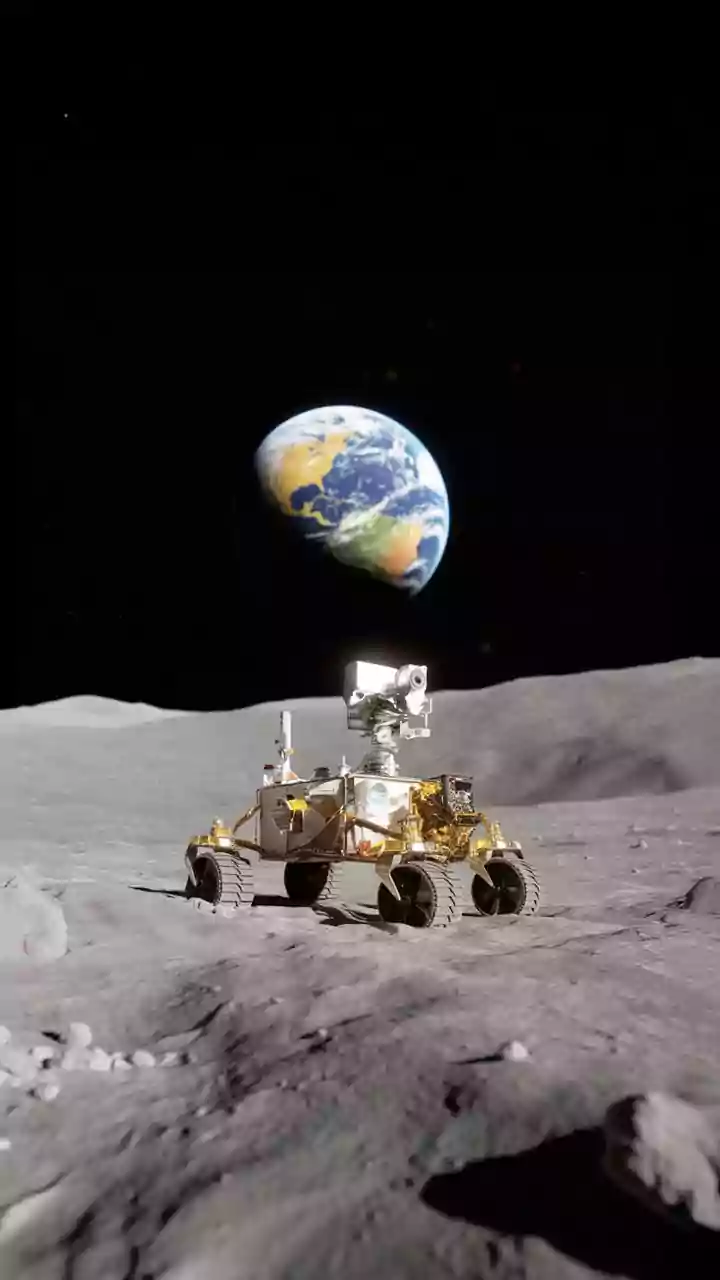
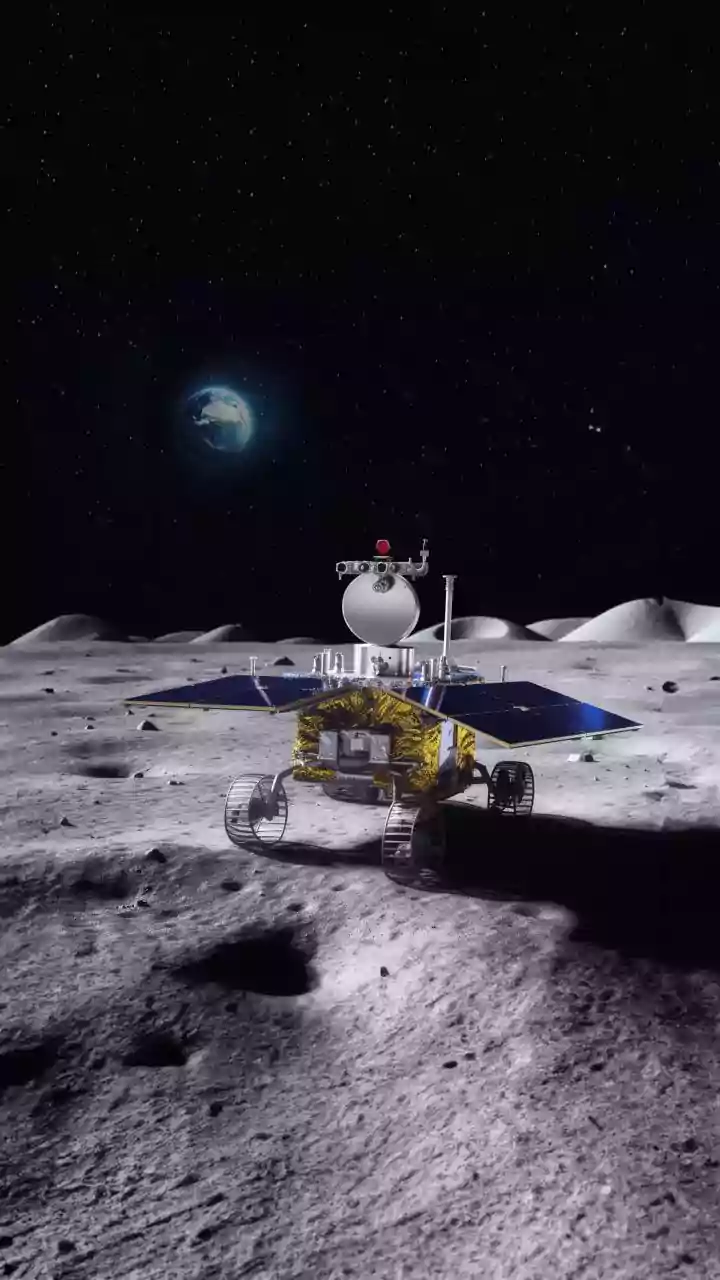
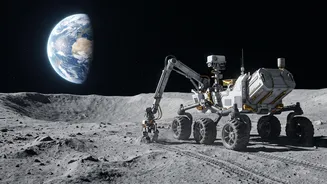
In many emergency scenarios, the safest first responder is not a human. Robotic systems are being designed to take on hazardous tasks, such as inspecting external damage after a micrometeoroid strike, moving heavy equipment, or venturing into dangerous terrain. Companies like Lunar Outpost are developing autonomous rovers that can map their environment and handle logistics, freeing up astronauts for scientific work. In the future, humanoid robots could work alongside astronauts, providing physical strength or performing repairs in environments too dangerous for humans. These AI-driven machines will need to operate with a high degree of autonomy, making decisions on the spot without waiting for commands from a distant Earth.