

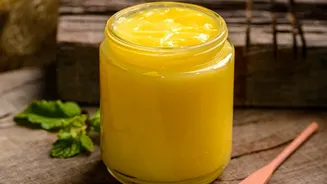
The Great Fat Rethink
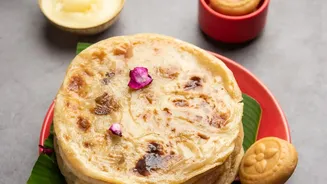
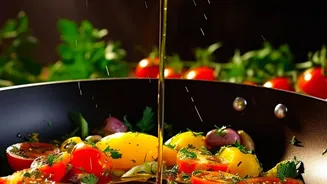
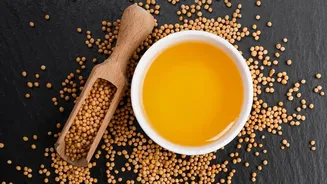
Not long ago, ghee was pushed to the back of the pantry, replaced by an array of refined vegetable oils marketed as 'healthier' alternatives. This shift, beginning around the 1980s, saw a generation of urban Indians trade traditional fats for industrially
processed options. However, a growing consciousness about wellness and a mistrust of overly processed foods have triggered a reversal. Home chefs are now re-evaluating their cooking mediums, looking past marketing claims and returning to trusted, traditional fats. This isn't just about flavour; it's a movement towards more natural, minimally processed ingredients that our grandparents would recognise.
Ghee's Triumphant Return to the Kitchen
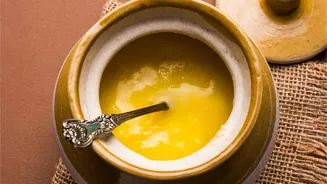
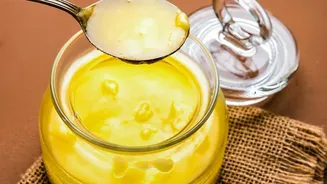
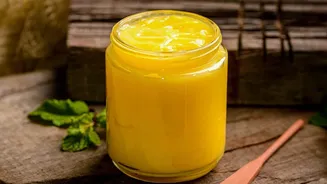
Ghee, or clarified butter, has been a cornerstone of Ayurvedic tradition for thousands of years, valued for both its culinary and therapeutic properties. Modern science is beginning to validate this ancient wisdom. Ghee is a source of fat-soluble vitamins like A, D, E, and K, which are crucial for everything from immunity to skin health. It also contains butyric acid, a short-chain fatty acid that supports gut health, and conjugated linoleic acid (CLA), which research suggests may have anti-inflammatory properties. Because the milk solids are removed, ghee has very little lactose, making it a suitable choice for many who are sensitive to dairy.
What Exactly Is Infused Ghee?
The latest evolution in ghee's journey is infusion. Infused ghee is traditional ghee that has been gently heated with herbs, spices, or other botanicals, allowing their beneficial compounds and flavours to merge with the fat. In Ayurveda, ghee is known as a 'yogavahi,' or a carrier agent, believed to help transport the properties of herbs deeper into the body's tissues. This process transforms ghee from a simple cooking fat into a functional food, where every spoonful is enriched with the added benefits of the infused ingredients. The infusion makes the herbs more bioavailable, meaning the body can absorb and utilise them more effectively.
The Power of Popular Infusions
The beauty of infused ghee lies in its versatility. Turmeric-infused ghee is perhaps the most popular, combining the gut-soothing properties of ghee with the potent anti-inflammatory benefits of curcumin, turmeric's active compound. Fat is known to significantly increase the absorption of curcumin, making this a powerful duo. Other popular infusions include herbs known in Ayurveda for specific benefits. Ashwagandha is used for its adaptogenic, stress-relieving properties; Brahmi is linked to cognitive function and memory; and Shatavari is noted for hormonal balance and digestive support. Infusions with garlic, rosemary, or chili flakes are also used to add a direct flavour punch to everyday cooking.
Flavour and Function in Daily Cooking
For the urban home chef, infused ghee is a simple way to elevate both the health quotient and taste of a meal. A dollop of turmeric ghee can be stirred into dal or rice, adding a golden hue and anti-inflammatory benefits. Garlic-infused ghee makes for a fragrant and quick tadka for vegetables or curries. Aromatic versions with herbs like rosemary can be used to pan-sear chicken or roast potatoes, adding a gourmet touch. It's a practical way to incorporate the principles of Ayurveda into a modern, busy lifestyle, turning a simple meal into a more nourishing experience without needing extra time or complex recipes.