


The Power of Sattu: India’s Super Flour
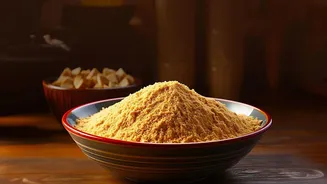
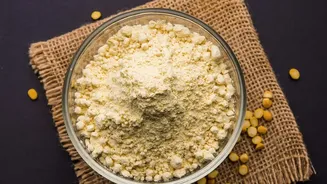
Sattu is a flour made from roasted grams (chana) and is a nutritional powerhouse that has been a staple in regions like Bihar, Uttar Pradesh, and Jharkhand for generations. Often called the 'poor man's protein', its affordability and impressive nutrient
profile make it a valuable addition to any diet. The roasting process not only gives it a unique nutty flavour but also makes it easier to digest compared to regular gram flour (besan). Traditionally consumed as a cooling drink to beat the summer heat, sattu is now gaining widespread recognition among health enthusiasts for its versatility and benefits.
A Nutritional Breakdown
Sattu is celebrated for its high protein content, with about 20-25 grams of protein per 100 grams, making it an excellent source of plant-based protein for muscle repair and growth. It is also rich in dietary fibre, which aids digestion, promotes a feeling of fullness, and helps prevent constipation. Furthermore, sattu is packed with essential minerals like iron, magnesium, and potassium. With a low glycaemic index, it releases energy slowly, preventing sudden blood sugar spikes and making it suitable for people with diabetes. This combination of protein and fibre can aid in weight management by reducing overall calorie intake.
The Ultimate Sattu Smoothie Bowl Recipe
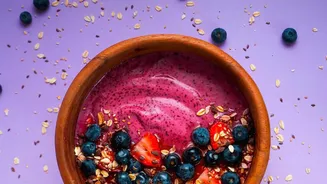
This basic recipe is your starting point for a delicious and customisable smoothie bowl. It's quick, easy, and requires just a few simple ingredients.Ingredients:4 tablespoons of sattu (roasted gram flour)1 ripe banana, frozen for a creamier texture200 ml of milk (dairy or a plant-based alternative like almond or oat milk)1 tablespoon of yogurt or curd (optional, for extra creaminess and probiotics)1-2 soft dates (pitted) or 1 teaspoon of honey/jaggery for sweetnessA pinch of cardamom or cinnamon for flavourInstructions:1. Combine all the ingredients—sattu, frozen banana, milk, yogurt (if using), sweetener, and spice—into a blender.2. Blend on high speed until the mixture is completely smooth and has a thick, creamy consistency. If it's too thick, add a splash more milk; if it's too thin, add a few more pieces of frozen banana or a little more sattu.3. Pour the smoothie into a bowl. The consistency should be thick enough to hold toppings without them sinking immediately.
Customise Your Creation
The beauty of a smoothie bowl lies in its versatility. You can easily tweak the base recipe to suit your taste. For a chocolatey flavour, add a tablespoon of unsweetened cocoa powder. If you're a fan of peanut butter, a spoonful will add extra protein and a rich, nutty taste. During mango season, substitute the banana with fresh mango chunks for a tropical twist. You can also make it a savoury bowl by blending sattu with chilled water, a squeeze of lemon juice, black salt, and roasted cumin powder for a refreshing alternative.
Top It Off With Texture and Nutrients
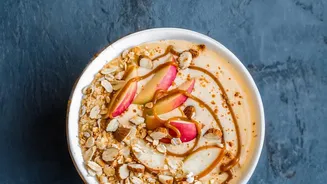
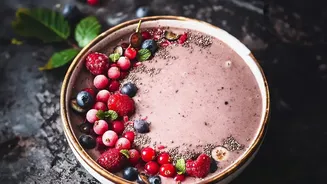
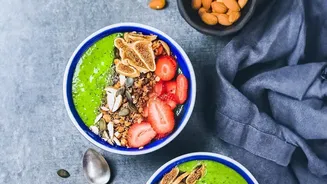
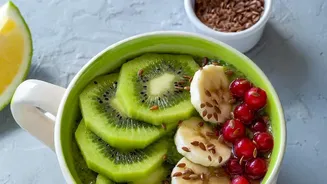
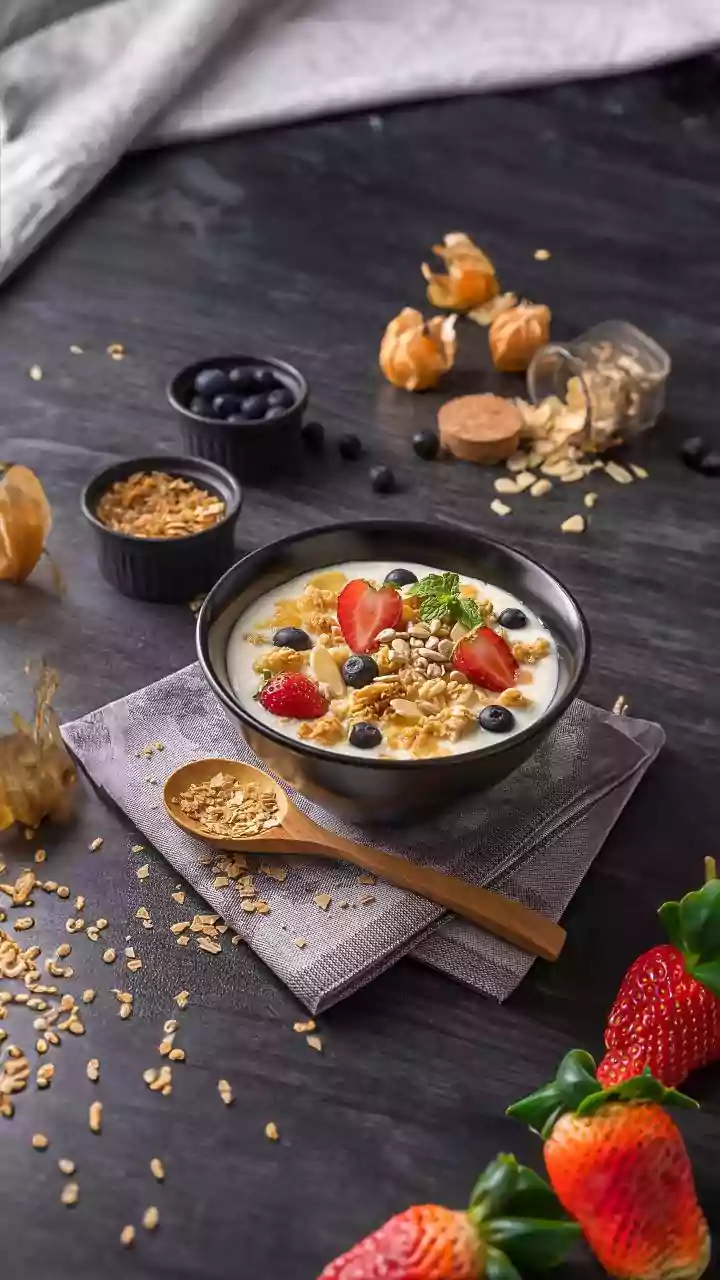
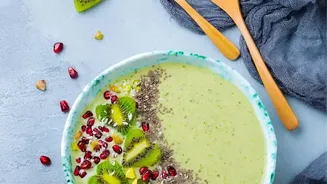
Toppings are what transform a simple smoothie into a satisfying smoothie bowl. They add texture, flavour, and an extra nutritional punch. Consider adding a variety of seeds like chia, pumpkin, or sunflower seeds for healthy fats and fibre. A sprinkle of granola adds a satisfying crunch. Fresh fruits such as sliced bananas, pomegranate arils, or berries provide natural sweetness and vitamins. For an additional protein boost and healthy fats, top your bowl with chopped nuts like almonds, walnuts, or pistachios. Arranging your toppings makes the meal visually appealing, turning your breakfast into a small act of self-care.