


Understanding the Pandal Map: North vs. South
Every pandal-hopper must answer the classic question: North or South Kolkata today? It's not a rivalry, but a choice between two distinct experiences. North Kolkata is the heart of tradition, home to centuries-old family 'Bonedi Bari' pujas and iconic
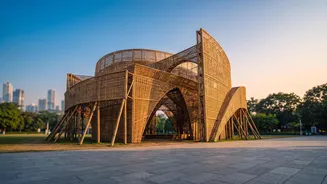
community pandals like Bagbazar Sarbojanin, which has preserved its idol design for generations. The lanes here are narrow, and the vibe is steeped in heritage. South Kolkata, on the other hand, is the home of grand, ambitious themes. Pandals like Ekdalia Evergreen, Suruchi Sangha, and Tridhara Sammilani are known for their massive, art-installation-style structures that often replicate famous temples or convey social messages. Most seasoned pandal-hoppers dedicate separate days to each region to fully appreciate both styles.
Mastering the Crowds: Timing is Everything
During the main Puja days (Saptami to Navami), Kolkata's streets transform into a river of people. The peak rush is typically between 7 PM and midnight. To see the pandal art without being jostled, timing your visit is key. Many locals swear by early-morning pandal-hopping, between 7 AM and 10 AM, when the crowds are thinner and you can appreciate the details. Another strategy is to go very late, after 2 AM, as the city never truly sleeps during Puja. Kolkata Police will enforce one-way pedestrian routes and barricades near major pandals, so be prepared to walk. Visitors are often discouraged from lingering too long inside the main structures to keep the flow moving. The key is to be patient, stay calm, and take breaks when you feel overwhelmed.
Your Transport Bible: Metro, Auto, and Footwear
During Durga Puja, the Kolkata Metro is your best friend. It runs special all-night services from Saptami to Navami, often from 1 PM until 4 AM the next morning, connecting major pandal hubs on its North-South (Blue Line) and East-West (Green Line) corridors. Metro Railway also increases service frequency on the weekends leading up to the festival to manage the shopping rush. While ride-sharing apps are available, many roads near popular pandals will be closed to vehicle traffic in the evenings. Be prepared for cab drivers to drop you a fair distance away from your destination. For shorter distances, autos are an option, though their routes may be restricted. The most essential travel item, however, is a pair of comfortable, broken-in shoes. You will be walking for several kilometres each day.
Suggested Routes for Efficient Hopping
Instead of randomly moving across the city, planning a route can save immense time. For a South Kolkata art trail, you can use the Metro to get to Kalighat or Jatin Das Park station. From there, you can cover a cluster of famous pandals like Singhi Park, Ekdalia Evergreen, Ballygunge Cultural, and Tridhara Sammilani, many of which are within walking distance of each other. For a North Kolkata heritage tour, take the Metro to Shyambazar or Sovabazar Sutanuti station. This puts you in striking distance of Bagbazar Sarbojanin, Kumartuli Park, and Ahiritola Sarbojanin, offering a mix of classic pujas and a glimpse into the artisans' colony where the idols are made. Don't try to see everything in one night; picking a zone and exploring it deeply is far more rewarding.
Pro Tips for a Smooth Experience
A few extra preparations can make a world of difference. Carry cash, as street food vendors and small shops may not accept digital payments. Speaking of food, while the street-side rolls and phuchka are tempting, hygiene can be a concern during the massive rush; some locals advise packing your own snacks or sticking to established eateries. A power bank for your phone is a must. Stay hydrated by carrying a water bottle, which you can often refill. Finally, Kolkata Police sets up assistance booths near major pandals and deploys thousands of officers to manage traffic and ensure safety. Follow the designated entry and exit points and don't hesitate to ask an officer for directions.