






The Tale of Two Budgets
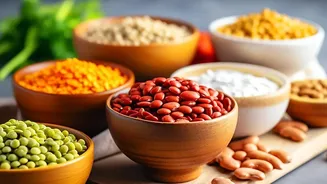
The core of the issue lies in what economists call the 'consumption basket'—the collection of goods and services a household spends its money on. For low-income families, this basket is dominated by necessities. Studies show that the poorest households
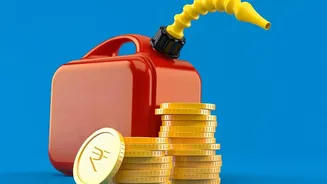
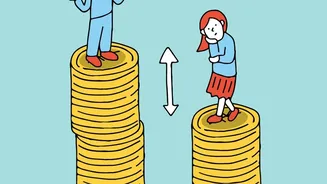
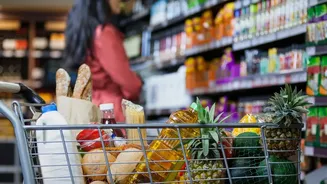
in India can spend over half their entire budget on food alone. In contrast, wealthier households spend a much smaller fraction of their income on food, perhaps less than a third. When the price of essential items like cooking oil, pulses, or fuel rises, it consumes a disproportionately large share of a low-income family's budget, leaving little to nothing for anything else.
The Lack of Wiggle Room
Higher-income households have more flexibility to absorb price shocks. They can switch from branded products to generic ones, eat out less, or postpone a discretionary purchase. They have what is called 'expenditure-switching' capacity. For a family already buying the most affordable rice and stretching every rupee, there are no cheaper alternatives to switch to. When fuel prices rise, a wealthier family might consolidate trips or work from home. A daily wage labourer who relies on public transport has no choice but to pay the higher fare, directly impacting their take-home earnings. This lack of substitutes traps poorer households, forcing them to bear the full brunt of inflation.
Inflation's Ripple Effect
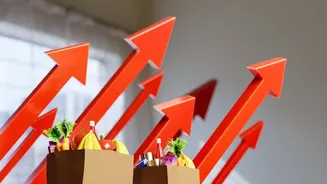
The impact of rising food and fuel prices doesn't stop at the grocery bill or the petrol pump. It creates a domino effect. Fuel is a universal input cost; when diesel prices increase, the cost of transporting goods—from vegetables to cement—goes up, pushing prices higher for everyone. For families on a tight budget, this means making difficult choices. The money that was meant for a child's school supplies, a doctor's visit, or savings for an emergency is diverted to cover the increased cost of meals and transport. This can have long-term consequences, entrenching inequality by forcing cuts in spending on education and health, which are crucial for future economic mobility.
The Rural-Urban Experience
Geography also plays a role in how price changes are experienced. Rural households often have different consumption patterns than urban ones, with a traditionally higher share of their budget going towards food. While this is changing, they can also be more vulnerable to food price volatility. Furthermore, fuel costs can hit differently. For many rural families, firewood and chips are still primary cooking fuels, and inflation in these categories has recently been high. For transportation, while urban families might have access to various modes of public transport, rural communities can be more dependent on less frequent and potentially more expensive options, making them highly sensitive to fuel price hikes that increase fares.
Why Official Numbers Don't Tell the Whole Story
Official inflation figures, like the Consumer Price Index (CPI), provide an average for the whole country. However, some analyses suggest that because of their different spending patterns, poorer households can experience a personal inflation rate that is actually higher than the national average, especially when food prices spike. The official index gives weights to a wide variety of goods and services, including many that lower-income families don't buy. As a result, when the price of essentials skyrockets, the overall CPI might not fully capture the severe economic pain felt by the most vulnerable segments of the population.