

Understanding the Monsoon Paw Problem
The combination of high humidity, warmth, and constant exposure to wet surfaces makes the monsoon a peak season for fungal and yeast infections in dogs. Paws are particularly vulnerable because the spaces between the toes and around the pads trap moisture,
creating an ideal environment for fungi like Malassezia to thrive. These organisms, which are naturally present on a dog's skin, can overgrow when conditions are right, leading to intense itching, redness, and a distinct musty odour. Urban environments add another layer of risk, with puddles on paved surfaces often containing a mix of dirt and contaminants that can further irritate the skin.
The Post-Walk Cleaning and Drying Ritual
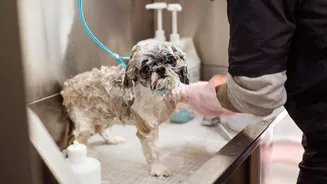
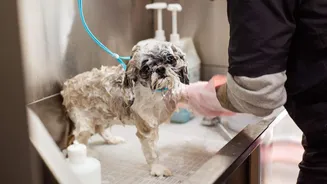
This is the most critical step in preventing infections. After every single walk, no matter how short, a thorough cleaning and drying routine is non-negotiable. Start by washing your dog's paws with lukewarm water. For particularly muddy walks, a mild, dog-safe shampoo can be used, but for most outings, water is sufficient. The key is to be gentle and ensure you clean the hidden spots between the toes and pads where mud and debris love to hide. Following the wash, the drying process is just as important. Trapped moisture is the primary enemy. Vigorously pat each paw dry with a clean, absorbent towel. Do not rub, as this can cause irritation. For dogs with long fur or thick coats, a hairdryer on a low and cool setting can be a game-changer to ensure the area is completely dry.
Essential Grooming for Prevention
A couple of simple grooming habits can dramatically reduce the risk of infection. Keep the hair between your dog's paw pads trimmed short. Long fur acts like a sponge, trapping water and debris, which slows down the drying process and promotes fungal growth. Regular trimming improves air circulation around the pads, helping them stay drier. Additionally, keeping your dog's nails trimmed can prevent them from accumulating dirt and bacteria underneath. This simple maintenance makes the post-walk cleaning routine quicker and more effective.
Considering Protective Barriers
For extra protection, especially for dogs with sensitive skin, you can consider using protective products. Paw balms or waxes create a water-repellent barrier on the pads, which can help shield them from excessive moisture and irritants found in puddles. These should be applied before you head out for a walk. If your dog is comfortable wearing them, waterproof booties offer the most complete protection, keeping paws entirely clean and dry. It may take some time and positive reinforcement for your dog to get used to them, so it's best to introduce them gradually indoors.
When to Be Concerned: Spotting the Signs
Despite your best efforts, infections can still occur. Being vigilant allows you to catch any issues early before they become severe. Look for tell-tale signs of a paw infection, which include persistent licking, chewing, or biting of the paws. Visually inspect the paws for redness, swelling, or inflamed skin between the toes. Other symptoms can include hair loss around the affected area, flaky or crusty skin, and a foul or yeasty odour that doesn't go away after cleaning. If you notice any of these symptoms, or if your dog seems to be in pain or is limping, it is crucial to stop home care and consult a veterinarian immediately.