






That comforting bowl of saag, rich and fragrant, is more than just a winter indulgence. It's a nutritional powerhouse hiding in plain sight, and its biggest secret weapon for your health is fibre. Let's explore why this humble dish is so vital.
More Than Just One Green
First,
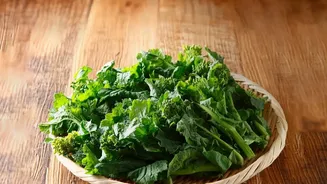
let's clarify what 'saag' really is. While many associate it with sarson ka saag, made from pungent mustard greens, the term actually refers to a category of dishes made from various leafy greens. In homes across India, saag can be made with spinach (palak), fenugreek (methi), amaranth (chaulai), or a mix of several greens. This variety is key, as each green brings its own unique nutritional profile. Mustard greens provide a peppery bite and are rich in vitamins K and C, while spinach is a great source of iron and folate. Fenugreek leaves, known for their slightly bitter taste, contribute iron and a special type of soluble fibre called galactomannan. The beauty of saag lies in this blend, transforming tough, fibrous leaves into a soft, deeply nourishing stew.
The Unsung Hero: Dietary Fibre
Now, let's talk about fibre. Dietary fibre is a type of carbohydrate that our bodies cannot digest. It comes in two forms: soluble and insoluble, and most leafy greens contain both. Soluble fibre dissolves in water to form a gel-like substance in your gut. Think of it as a sponge that can help lower 'bad' LDL cholesterol and slow down sugar absorption, which is crucial for managing blood sugar levels. Insoluble fibre, on the other hand, does not dissolve. It acts like a scrub brush, adding bulk to stool and helping waste move smoothly through your digestive system, which aids in preventing constipation. Most Indian adults need about 25 to 30 grams of fibre daily, but many get only about half that amount. A single 100-gram serving of saag can provide a significant portion, with some preparations containing 3 to 5 grams of fibre.
Benefits Beyond the Obvious
The benefits of a fibre-rich diet, which saag amply supports, extend far beyond just good digestion. By making you feel fuller for longer, fibre can be a great ally in weight management. It also plays a vital role in heart health. Soluble fibre helps reduce cholesterol levels, and a high-fibre diet is linked to lower blood pressure and reduced inflammation, all of which decrease the risk of heart disease. Furthermore, fibre is essential for a healthy gut microbiome. It acts as a prebiotic, feeding the beneficial bacteria in your colon. These well-fed bacteria, in turn, produce compounds called short-chain fatty acids that protect colon health and may even lower the risk of certain cancers.
A Treasure Trove of Nutrients
While fibre is the star, saag is packed with other essential nutrients. Leafy greens are a fantastic source of vitamins A, C, and K. Vitamin A is vital for vision and immune function, Vitamin C is a powerful antioxidant, and Vitamin K is crucial for bone health and blood clotting. These greens also provide important minerals like iron, calcium, and magnesium. For instance, fenugreek leaves are particularly high in iron, while amaranth leaves are a great source of calcium. It is important to note that many of these vitamins, like A and K, are fat_soluble. This means your body needs fat to absorb them, which is why the traditional addition of ghee or oil to saag is not just for flavour—it is scientifically sound, ensuring you get the full nutritional benefit.
Maximise Your Saag's Goodness
How you cook your saag can impact its nutritional value. Some vitamins, particularly vitamin C, are sensitive to heat and can dissolve in water. While slow cooking is traditional for breaking down the tough fibres of greens like mustard, over-'boiling' can lead to nutrient loss. To retain the most nutrients,' avoid cooking the greens for an excessively long time.' Steaming or microwaving greens before puréeing them can be a good way to preserve water-'soluble' vitamins.' If you do boil your greens,' consider using the leftover water in the dish itself to recapture some of the dissolved nutrients.' And remember to pair your saag with a source of vitamin C,' like a squeeze of lemon or some tomatoes,' to enhance the absorption of plant-'based' iron.