






Secure Your Water Supply
Waterborne diseases like cholera, typhoid, jaundice, and gastroenteritis become rampant during the monsoon as heavy rains can contaminate public water sources. Simply assuming your tap water is safe is a risk. The most effective way to purify water at home
is to boil it for at least one to ten minutes. If you use a water purifier, ensure it is serviced and the filters are changed before the season begins. Always store drinking water in clean, covered containers to prevent any secondary contamination from insects or dirty hands. When outside, avoid drinking water from unknown sources and stick to bottled water from reputable brands.
Implement Strict Food Safety
High humidity makes food spoil faster, encouraging the growth of bacteria and fungi. The Food Safety and Standards Authority of India (FSSAI) advises washing all vegetables and fruits thoroughly with clean water before use. It's best to avoid street food, pre-cut salads, and juices, as the water and ingredients used may be contaminated. Opt for fresh, home-cooked meals. Cook food thoroughly, especially meat and seafood, and consume it while it's hot. If you have leftovers, refrigerate them promptly and reheat them properly before eating, bringing gravies and soups to a rolling boil. Washing leafy green vegetables in salt water can help remove germs.
Eliminate Mosquito Breeding Grounds
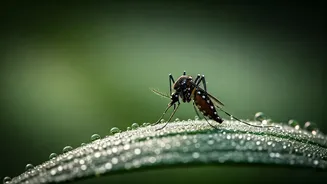
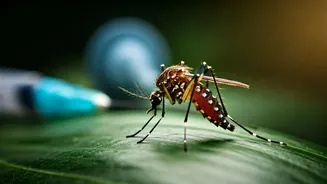
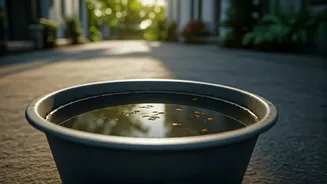
The monsoon is peak breeding season for mosquitoes, which transmit serious diseases like dengue, malaria, and chikungunya. These insects lay eggs in stagnant water. A weekly check of your home and surroundings is crucial. Empty and clean any containers that can collect rainwater, such as flowerpot saucers, discarded tyres, buckets, and air cooler trays. Ensure drains and gutters are not clogged with leaves or debris. Cover all water storage tanks and containers tightly. Using mosquito nets at night, installing screens on windows, and applying repellents provide an additional layer of protection for your family.
Manage Dampness and Mould
The constant dampness indoors can lead to the growth of mould and mildew, which can trigger allergies and respiratory issues. It also creates a musty odour. To combat this, ensure your home is well-ventilated. Whenever there is a break in the rain, open windows to allow fresh air to circulate. Use exhaust fans in kitchens and bathrooms to expel humid air. Don't let wet clothes or towels sit in a pile; dry them promptly, preferably under a fan. You can also place natural moisture absorbers like rock salt or silica gel pouches in wardrobes and cupboards to prevent a musty smell and fungal growth on clothes.
Prioritise Personal Hygiene
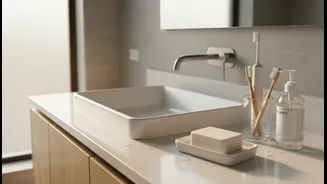
Your personal habits are your first line of defence. Wash your hands frequently with soap and water, especially before meals, after using the restroom, and upon returning home. If you get caught in the rain, take a shower and change into dry clothes as soon as possible to prevent fungal skin infections. Keeping your feet clean and dry is particularly important to avoid infections that can occur from walking through dirty water. A strong immune system is also vital, so ensure you get adequate sleep and maintain a balanced diet rich in immunity-boosting foods like those containing Vitamin C.