

Essentials for the Fast (Vrat)
Observing a fast, or 'vrat', on Janmashtami is a common practice. Unlike other fasts, the Janmashtami vrat has a specific list of permitted foods that are considered 'sattvic' or pure. When you go shopping, look for special flours that form the base of many
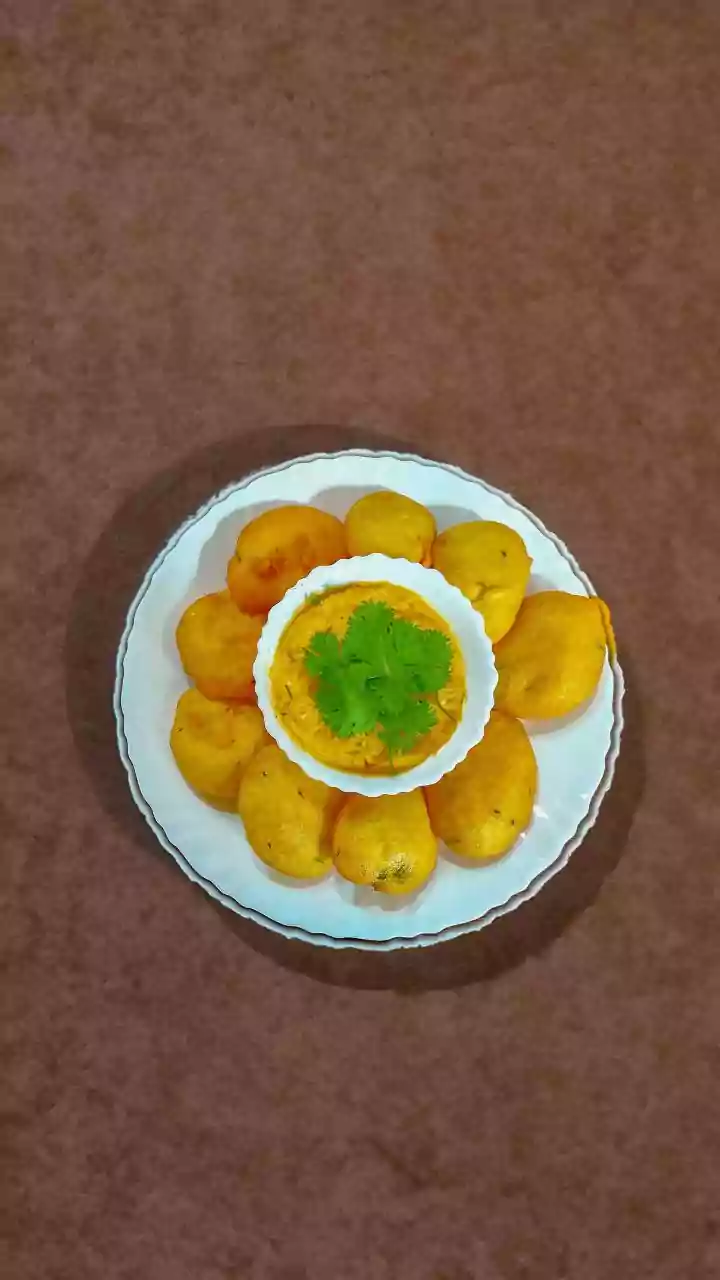
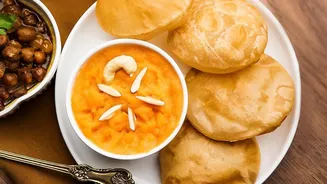
fasting recipes. These include buckwheat flour (kuttu ka atta), water chestnut flour (singhara ka atta), and amaranth flour (rajgira ka atta). These are used to make puris, chapatis, and pakoras. Sabudana (tapioca pearls) and samak rice (barnyard millet) are other crucial grains for making comforting khichdi, kheer, or vadas. For seasoning, remember to pick up rock salt (sendha namak), as regular table salt is avoided. Fresh fruits, nuts, and dairy products like milk, yogurt, and paneer are also central to the fasting diet, providing energy throughout the day.
Core Ingredients for Prasad
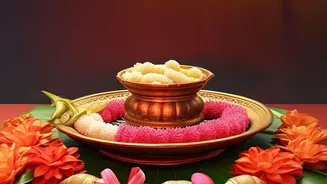
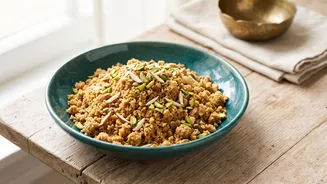
The heart of the Janmashtami puja lies in the 'bhog' or prasad offered to Lord Krishna at midnight. Three items are absolutely essential. The first is Makhan Mishri, a simple mixture of fresh white butter (makhan) and rock sugar (mishri). This is considered Lord Krishna's favourite. The second is Panchamrit, a sacred concoction of five nectars: raw milk, yogurt (curd), honey, ghee, and sugar. This divine blend is used for the ritual bathing of the deity and is then distributed to devotees. The third is Dhaniya Panjiri, a unique and aromatic preparation made by roasting coriander powder in ghee with powdered sugar, and garnished with chopped nuts. It's a key prasad, especially in North India, and is often used to break the fast after the midnight prayers.
Understanding the Chappan Bhog
While not prepared in every home, the 'Chappan Bhog' is a legendary part of Janmashtami lore. It consists of a grand offering of 56 different food items. The tradition stems from the story of Lord Krishna lifting the Govardhan Hill for seven days to protect his villagers, missing his usual eight meals a day. In gratitude, the villagers prepared 56 dishes (7 days x 8 meals) for him. A traditional Chappan Bhog is a magnificent spread that includes a wide array of dishes: sweets, savouries, grain preparations, dairy items, fruits, and drinks. Even if you don't prepare all 56 items, the concept inspires the variety and love put into the festival's cooking.
A Sweet Celebration with Mithai
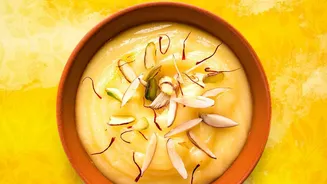
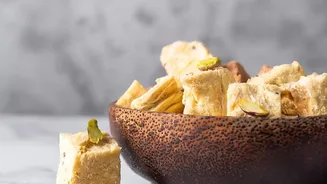
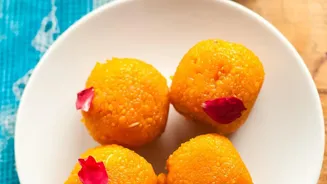
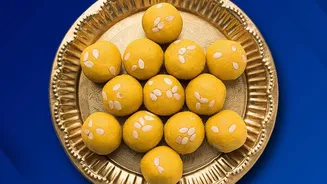
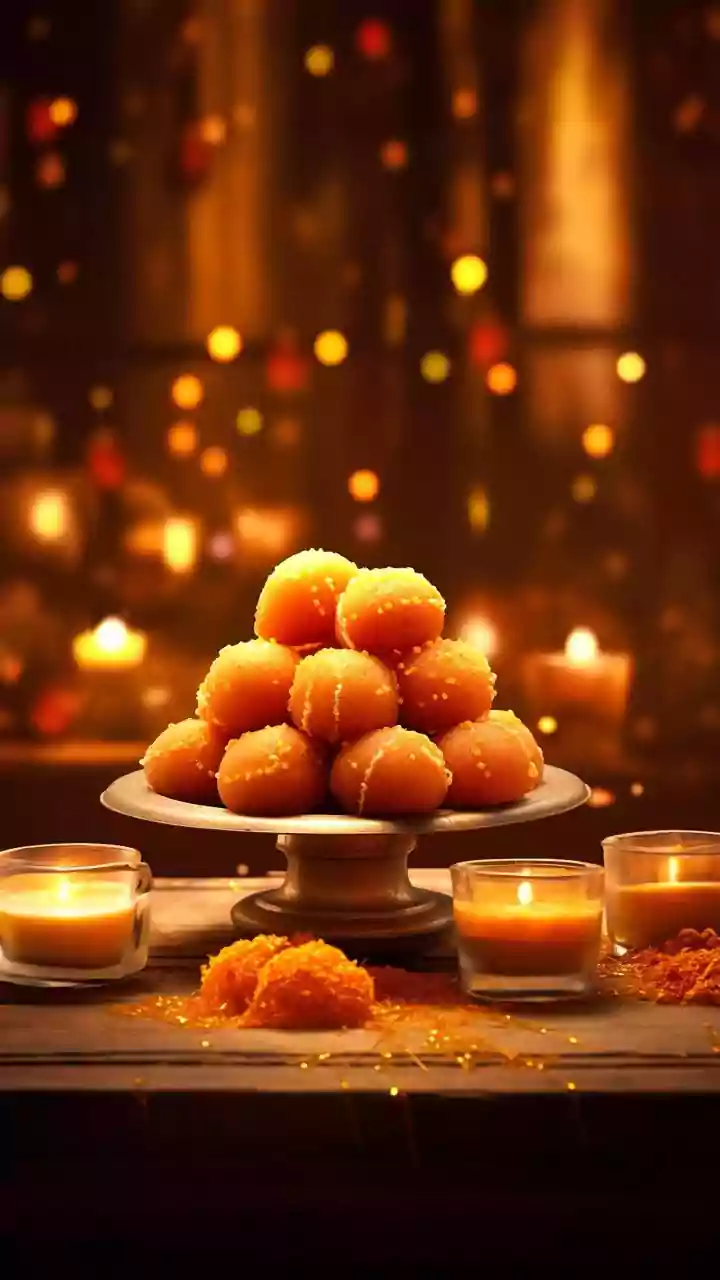
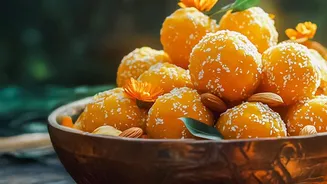
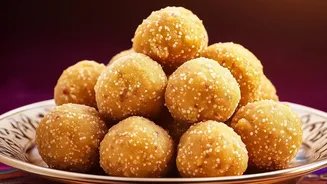
No Indian festival is complete without a spread of traditional sweets, or 'mithai'. For Janmashtami, milk-based sweets are especially popular, honouring Krishna's childhood in the land of cowherds. Mathura Peda, a soft, caramelised milk fudge originating from Krishna's birthplace, is a must-have. Kheer, a creamy pudding made with milk and rice (or samak rice/makhana for fasting), is another beloved classic. Other popular choices to add to your shopping list or to prepare at home include coconut or besan laddoos, rich Kalakand, nutty Makhana Paag, and indulgent Rabri. These sweets are shared among family and friends after the midnight puja, symbolising the sweetness and joy of the occasion.