



Decoding the Data: A Tale of Two Speeds
On the surface, a 17% year-on-year increase in hiring for July is an incredibly strong signal for India's travel and tourism industry. According to the Foundit Insights Tracker, this figure placed the sector at the very top of annual growth charts. This
points to a robust, long-term recovery and sustained confidence from employers compared to the previous year. However, the picture is more nuanced when looking at shorter timeframes. The same report noted a slight month-on-month dip in hiring, while other sources like the Naukri JobSpeak Index registered a monthly decline for the hospitality and travel segment in July. This doesn't contradict the annual growth but rather adds important context: while the long-term trajectory is sharply positive, monthly figures can fluctuate due to seasonal adjustments and shifting market dynamics. The key takeaway is that the foundational momentum of the industry remains powerful.
Aviation Takes Flight with Massive Expansion
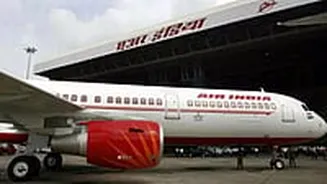
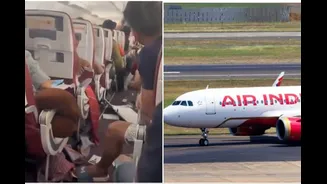
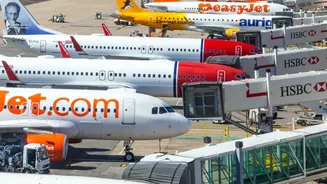
A significant portion of the hiring surge is being driven by an explosive expansion in the aviation industry. Major carriers like Air India and IndiGo have placed historic orders for over 900 new aircraft combined, creating a massive, long-term demand for skilled personnel. For every new plane that enters service, an entire ecosystem of jobs is required. This includes an estimated 12 to 14 pilots, numerous cabin crew members, and extensive teams of ground operations staff responsible for everything from baggage handling to aircraft turnaround. Furthermore, the government's plan to develop over 200 airports is set to create thousands of additional roles in airport management, customer service, and ground handling, making aviation a primary engine of job creation within the travel sector for years to come.
Hospitality Remains the Bedrock of Employment
While aviation provides high-profile growth, the accommodation and food services sub-sector remains the undeniable bedrock of employment in tourism. According to a report by the Tourism and Hospitality Skill Council (THSC), hotels and restaurants are projected to account for approximately 93% of the workforce in the sector. The report forecasts the creation of nearly 3 million new jobs by 2028, with the vast majority stemming from hotels, resorts, cafes, and food service businesses. This growth is notable because it spans all skill levels. There is strong projected demand for skilled roles like banquet managers and assistant chefs, but also millions of opportunities for semi-skilled and unskilled workers, making the hospitality sector a crucial gateway for a wide range of job seekers entering the workforce.
The New Frontier: Tech and Specialised Travel
Beyond the traditional roles, a new frontier of jobs is emerging as the industry modernises and diversifies. Digital transformation is creating a strong need for tech-savvy professionals like revenue managers, digital distribution specialists, and guest experience designers who can leverage technology to personalise travel. At the same time, the rise of niche tourism segments is creating specialised career paths. The boom in MICE (Meetings, Incentives, Conferences, and Exhibitions) tourism requires a workforce skilled in large-scale event management and corporate logistics. Similarly, India's growing status as a destination for Medical Value Travel, projected to be a multi-billion dollar market, is increasing demand for hospitality professionals who can cater to the specific needs of international patients.
What’s Fuelling the Fire?
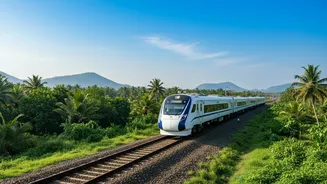
Several powerful factors are fuelling this sustained hiring boom. The primary driver is a thriving domestic tourism market, which accounts for the lion's share of all travel spending in India. This provides a stable and growing foundation for the industry. This has been complemented by expanded regional air connectivity and significant government investment in transport infrastructure, making more destinations accessible. The result is a resilient industry that is not only recovering from past disruptions but is undergoing a structural expansion. This combination of strong domestic demand and ongoing infrastructure development creates a virtuous cycle, boosting employer confidence and sustaining the need for a larger, more diverse workforce to meet the rising expectations of travellers.