





Why Your Eyes Sting: The Pollution Connection
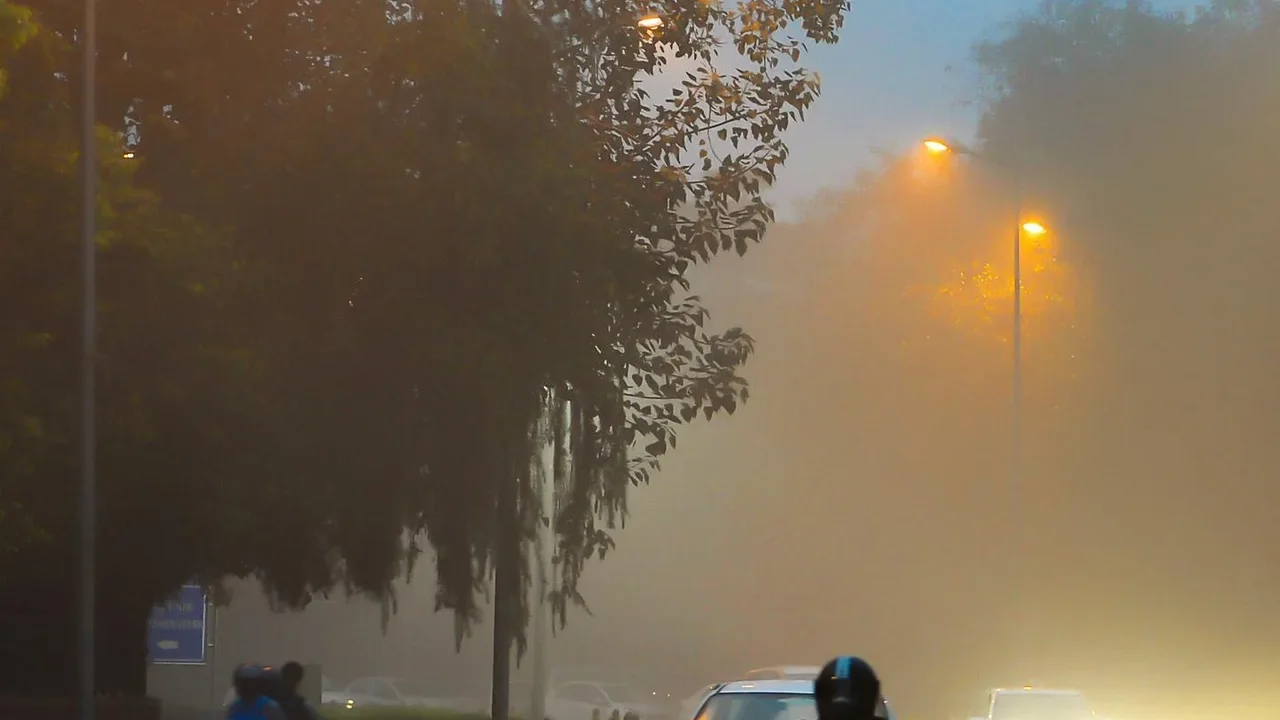
Our eyes are protected by a thin layer called the tear film, which keeps them lubricated and clear of dust. However, the pollutants blanketing Delhi are highly effective at disrupting this delicate barrier. Key culprits include Particulate Matter (PM2.5),
Sulphur Dioxide (SO2), and Nitrogen Dioxide (NO2). These microscopic particles and gases can dissolve into your tears, changing their chemical composition. This interference prevents the tear film from spreading evenly across the eye's surface, leading to dry patches, inflammation, and the burning sensation that has become all too common. Essentially, the very air you walk through is stripping your eyes of their natural defence mechanism, leading to a condition known as Dry Eye Syndrome, which is significantly worsened by pollution.
More Than Just Redness: Key Symptoms to Watch
The discomfort caused by air pollution goes beyond simple redness. Ophthalmologists in the city report a sharp increase in patients presenting with a specific cluster of symptoms as air quality deteriorates. Be aware of a persistent gritty or sandy feeling, as if something is stuck in your eye. Other common signs include intense itching, a burning sensation, excessive watering as your eyes try to flush out the irritants, and even intermittent blurry vision. In many cases, these symptoms point to allergic conjunctivitis, an inflammation of the eye's outer membrane triggered directly by airborne pollutants. If you wear contact lenses, these symptoms can feel even more severe, as pollutants can get trapped underneath the lens, prolonging exposure and irritation.
Your First Line of Defence: Protective Eyewear
The most straightforward way to protect your eyes is to create a physical barrier against the polluted air. While staying indoors is the best solution on days with hazardous AQI levels, it's not always practical. When you must go outside, wearing glasses can significantly reduce your eyes' exposure to harmful particulates. For maximum protection, opt for wrap-around sunglasses or well-fitting prescription glasses. These create a partial seal around your eyes, blocking irritants from the front and sides. This simple habit acts as a shield, minimising the direct contact between toxic air and the sensitive surface of your eyes, thereby preventing the onset of irritation and dryness.
Soothe and Lubricate With The Right Eye Drops
When the tear film is compromised by pollution, your eyes need help staying moist. This is where lubricating eye drops, also known as artificial tears, come in. These over-the-counter solutions supplement your natural tears, helping to wash away pollutants and restore moisture to the eye's surface. However, not all eye drops are created equal. It's best to choose a preservative-free formula, as preservatives themselves can sometimes cause irritation with frequent use. While artificial tears can provide immediate relief, they are not a cure. Think of them as a way to manage the symptoms. It is always a good idea to consult an ophthalmologist to get a recommendation for the specific type of drop that is best suited for your eyes and symptoms.
Hands Off! Why You Must Not Rub Your Eyes
When your eyes are itchy, the natural instinct is to rub them for relief. However, this is one of the worst things you can do. Your hands carry dirt and germs, and rubbing them into your already irritated eyes can introduce new bacteria, potentially leading to an infection. Furthermore, rubbing can physically damage the surface of your eye. The gritty pollutants sitting on your cornea can cause microscopic scratches when rubbed, leading to more pain and inflammation. Instead of rubbing, try rinsing your eyes gently with clean, cool water or using a lubricating eye drop to flush out the irritant. Resisting the urge to rub is a crucial step in preventing minor irritation from escalating into a more serious problem.
Create a Safe Haven at Home
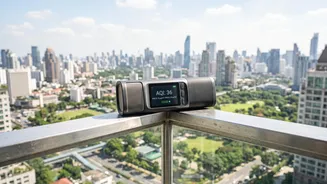
Since you spend a significant amount of time at home, improving your indoor air quality can provide a much-needed respite for your eyes. Using a high-quality air purifier with a HEPA filter can effectively remove PM2.5 and other pollutants from your indoor environment. Keep windows and doors closed, especially during early mornings and late evenings when pollution levels are often at their highest. Simple hygiene practices also make a difference. Make it a habit to wash your hands, face, and hair after returning from outdoors to remove any settled pollutants. Gently splashing your closed eyes with clean water can also help wash away any lingering irritants on your eyelids and lashes.