



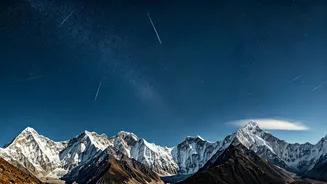


Understanding the Delta Aquariids
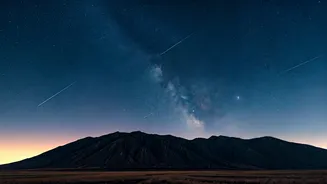
The Delta Aquariid meteor shower is an annual celestial event that occurs from mid-July to late August. It’s not one of the most intense showers, but it is known for its steady stream of meteors, producing around 15 to 20 per hour under perfect conditions.
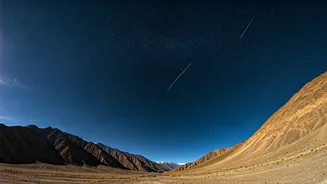
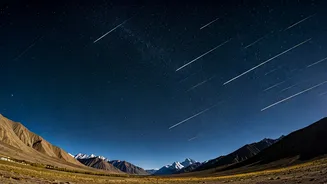
These meteors are debris left behind by the comets Marsden and Kracht. As Earth passes through this trail of cosmic dust, the particles burn up in our atmosphere, creating the spectacle we call a meteor shower. The shower gets its name because the meteors appear to radiate from a point near the star Skat (Delta Aquarii) in the constellation Aquarius.
The Challenge for 2026: A Bright Moon
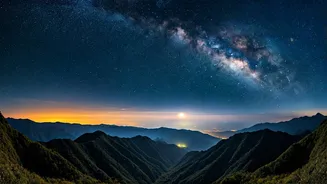
It is important to set realistic expectations for the 2026 Delta Aquariids. The shower is predicted to peak on the night of July 30. Unfortunately, this coincides with a nearly full moon, which rises on July 29. The bright moonlight will shine all night, washing out many of the fainter meteors for which this shower is known. However, this doesn’t mean the show is a complete write-off, especially in a place as dark as Ladakh. Your best strategy is to plan your viewing in the week leading up to the peak, roughly from July 21 to July 26. During these nights, the moon will set earlier, leaving the pre-dawn hours dark and perfect for spotting shooting stars. Also, keep an eye out for the Alpha Capricornid shower, which peaks at the same time and is known for producing slow, bright fireballs that can outshine the moonlight.
Why Ladakh is the Ultimate Viewing Theatre
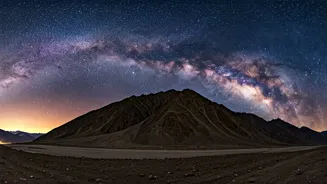
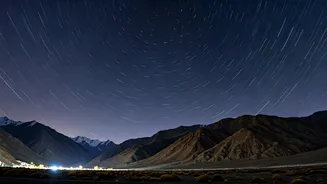
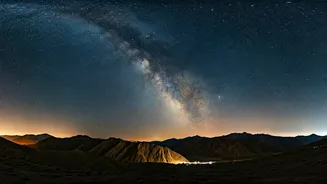
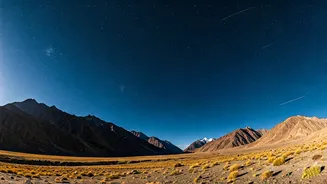
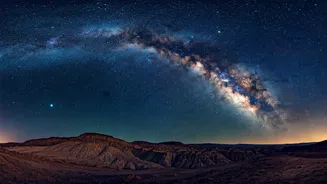
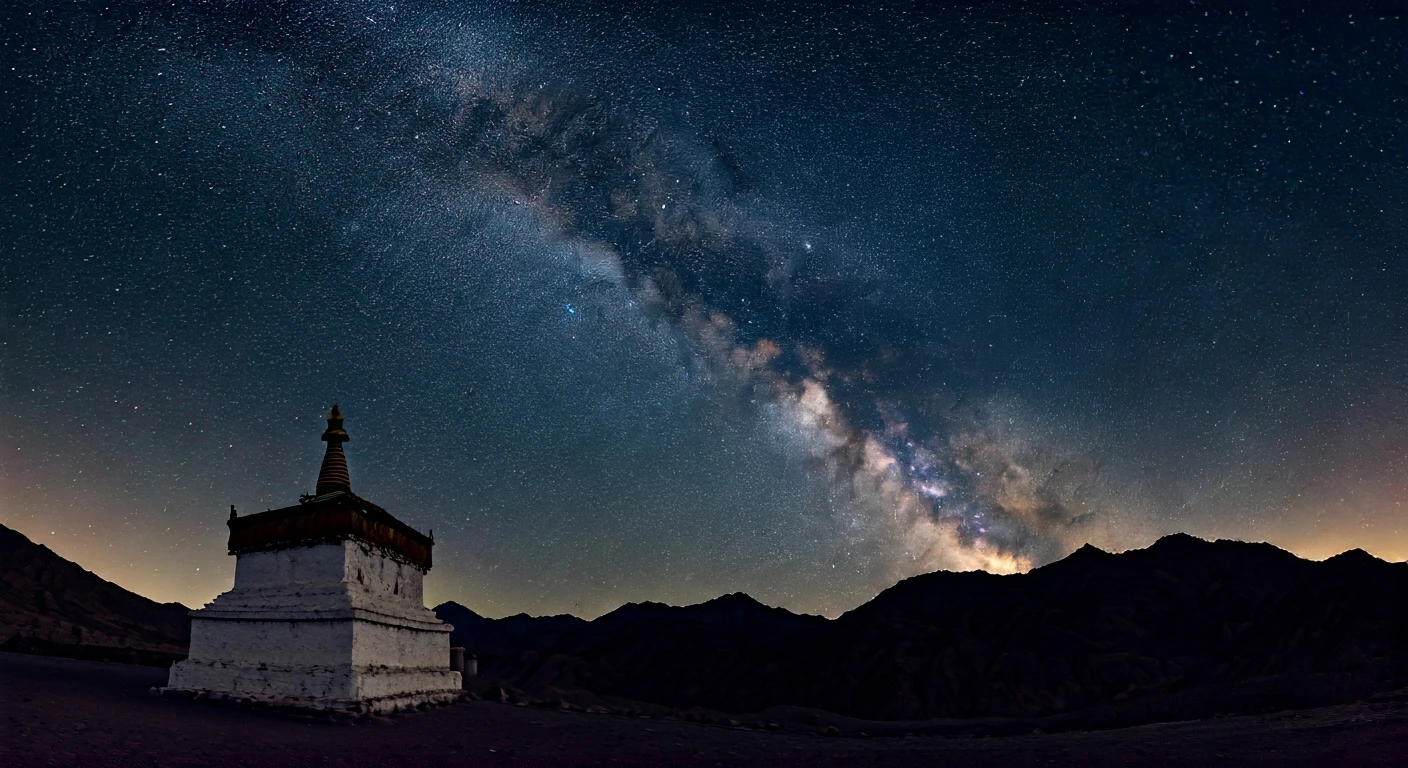
Even with a bright moon, choosing the right location can make all the difference, and Ladakh is arguably the best place in India for stargazing. Its unique geography—high altitude, dry climate, and thin atmosphere—results in exceptionally clear and transparent skies. Most importantly, its remote nature means it suffers from minimal light pollution, the biggest enemy of a stargazer. In fact, the region’s pristine skies are so valuable that it is home to India’s first-ever Dark Sky Reserve. This combination of factors means that even fainter meteors that would be invisible elsewhere have a chance of being seen here.
Pinpointing the Perfect Spots in Ladakh
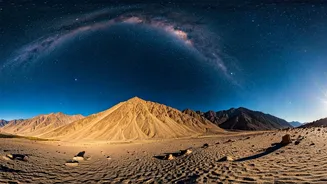
While almost anywhere outside of Leh town will offer great views, a few locations stand out for an unparalleled experience. Hanle: This is the crown jewel of Indian astronomy. Located in the Changthang region, Hanle has been officially designated as India's first Dark Sky Reserve, ensuring almost zero light pollution. It is also home to the Indian Astronomical Observatory. The journey is long and requires an Inner Line Permit, but for serious stargazers, there is no better place. Pangong Tso and Tso Moriri: These high-altitude lakes offer a magical setting. At over 4,200 meters, their remote locations promise dark skies. On a calm night, you might even see the stars and meteors reflected on the water’s surface, creating a surreal, mirror-like effect. Nubra Valley: Situated at a slightly lower altitude, Nubra Valley offers a good balance of accessibility and dark skies. The expansive desert landscape around Hunder provides a wide, open canvas for the night sky, with villages offering more comfortable stays compared to the more remote lake areas.
Your High-Altitude Stargazing Checklist
Preparing for a night of stargazing in Ladakh involves more than just finding a dark spot. The high altitude and cold nights demand respect. Acclimatize Properly: This is non-negotiable. If flying into Leh (3,500 metres), spend at least two full days resting and acclimatizing before venturing to higher altitudes like Pangong or Hanle. Drink plenty of water (3-4 litres a day) and avoid alcohol. Dress in Layers: Temperatures can drop dramatically after sunset, often falling close to freezing even in summer. Pack multiple thin layers rather than one bulky jacket. Essential items include thermal wear, a fleece jacket, a windproof outer jacket, woolen socks, gloves, and a warm hat. Essential Gear: You don't need a telescope, as meteor showers are best viewed with the naked eye. A pair of binoculars can be great for exploring the star fields. Bring a red-light torch instead of a white one; it helps preserve your night vision and is standard etiquette in dark sky areas. A comfortable mat or a reclining chair will save you from neck strain.