

Why the Sudden Shuffle?
Across India's vast rail network, July often brings a wave of operational changes. These aren't random; they are typically driven by two major factors: monsoon preparedness and infrastructure upgrades. During the monsoon, railway authorities take preemptive
measures to ensure safety on tracks that might be affected by heavy rains, waterlogging, or landslides. This can involve imposing speed restrictions or diverting trains from vulnerable routes. Simultaneously, Indian Railways is in a constant state of modernisation. Projects like track doubling, electrification, and yard remodelling are essential for increasing capacity and speed. For instance, recent doubling work on the Aliyabad-Hapa-Jamnagar section necessitated partial cancellations and changes in where trains originate or terminate. Similarly, yard remodelling at Baleshwar station as part of a third-line project has led to diversions and rescheduling of several key trains. While inconvenient in the short term, these disruptions are crucial for building a safer and more efficient network.
From Platform Hops to Route Diversions
The changes you might experience can range from minor to major. A last-minute platform change is the most common annoyance. A more significant change is 'short termination', where your train's journey ends at an earlier station. For example, due to recent track work, the Tirunelveli-Jamnagar Express was announced to terminate at Hapa instead of Jamnagar on certain dates. The opposite, a change in originating station, also occurs. Commuters might find their train starting from a different station altogether, as happened with the Okha-Ernakulam Junction Express, which was scheduled to originate from Rajkot instead of Okha on a specific day. The most impactful change is a full route diversion, where the train bypasses a whole section of its normal route. This recently affected several Rajdhani and Neelachal Express services, which were rerouted to avoid the Baleshwar section during infrastructure work.
Case Study: The Ripple Effects in Mumbai and Delhi
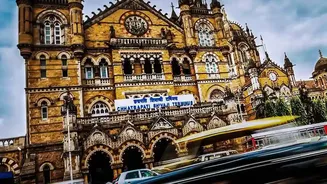
Major metropolitan networks are not immune. In Mumbai, Central Railway recently upgraded ten 12-coach local services to 15-coach trains to ease overcrowding. While this is a capacity upgrade, not a diversion, it requires passengers to be aware of which services are longer and adjust where they stand on the platform. These changes primarily benefit commuters on the busy CSMT-Karjat corridor. Meanwhile, the Delhi Metro network has also seen its share of service adjustments. While some recent major station closures were due to security measures during protests and have since been lifted, they highlight how external events can alter your travel plans with little notice. Furthermore, Delhi Metro's ongoing Phase IV expansion is set to make several stations, like New Delhi and Lajpat Nagar, into triple-interchange hubs, a massive long-term shift that will change travel patterns across the city.
Your Pre-Travel Checklist
Relying on habit is a recipe for missed trains this month. Before you even leave for the station, make a new habit of checking your train's status. The most reliable tool for this is the National Train Enquiry System (NTES), available as an app and a website. It provides real-time information on train running status, expected arrival times, and, crucially, platform numbers. For major disruptions, follow the official social media handles of Indian Railways and its zonal divisions. Once at the station, trust the display boards and public announcements above all else; they will have the most up-to-the-minute information. If your train is diverted and your boarding station is skipped, you are entitled to a full refund by filing a Ticket Deposit Receipt (TDR).
The Bigger Picture: A Network in Transition
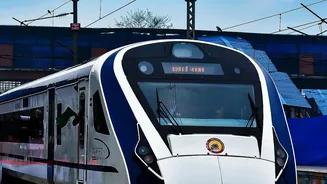
These temporary headaches are growing pains of a network undergoing a massive transformation. The upgrades forcing diversions today are paving the way for more Vande Bharat routes and faster overall train speeds. In Mumbai, the development of the advanced Kavach 5.0 automatic train protection system promises to allow for more frequent and safer services on the dense suburban network. Similarly, the expansion of interchange stations in Delhi will eventually make cross-city travel much more seamless. While no one enjoys a sudden change of plans, these service adjustments are a necessary part of the journey towards a more modern, robust, and reliable railway system for all.