







The New Himalayan Pilgrim
For centuries, Rishikesh has been a destination for those on a spiritual quest. Today, it's attracting a different kind of seeker—one looking for a better work-life balance. The digital nomad, a professional who works remotely using technology, has discovered
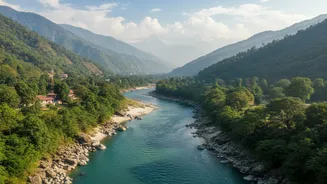
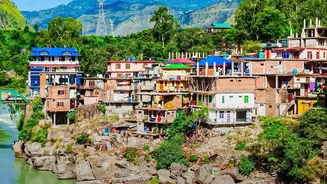
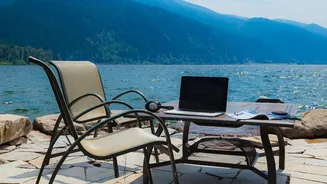
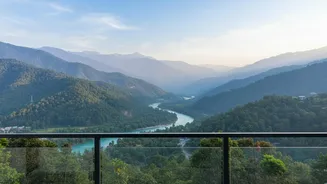
the town's potent combination of tranquil environment and modern infrastructure. This new generation isn't just visiting; they are settling in for weeks or months, transforming riverside cafes and quiet guesthouses into their personal offices, all while surrounded by the serene foothills of the Himalayas.
High-Speed Internet Meets Ancient Serenity
The single most critical factor enabling this trend is the surprising availability of reliable, high-speed internet. Once a significant hurdle in mountainous regions, connectivity in Rishikesh has seen a major upgrade. Co-living and co-working hostels have emerged as the backbone of this movement, offering packages designed specifically for remote workers. These establishments provide not just a bed, but also dedicated workspaces with fast Wi-Fi and power backups, ensuring that a client presentation or a video call isn't interrupted by a power cut. While mobile networks like Jio and Airtel offer strong 4G coverage as a backup, these hostels provide the stable foundation that professionals require.
More Than Just the Wi-Fi
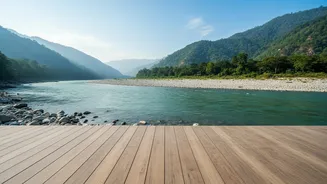
While a strong internet connection gets them in the door, it’s the town's holistic lifestyle that convinces them to stay. Rishikesh, known as the 'Yoga Capital of the World,' offers an unparalleled environment for wellness and mental clarity. Digital nomads can start their day with a sunrise yoga session by the Ganges, spend their work hours in a peaceful cafe, and end the day attending a meditation class or the famous Ganga Aarti. This seamless integration of work and well-being provides a powerful antidote to the stress and burnout often associated with a conventional city-based career.
The Rise of the Co-Living Community
Loneliness can be a major challenge for remote workers, but the co-living model in Rishikesh directly addresses this. Hostels like BunkStay and others foster a vibrant sense of community. These are not just shared rooms; they are social hubs that organize group hikes, workshops, and communal meals. This allows nomads to easily connect with like-minded individuals from around the world, creating a supportive network of peers who understand the unique lifestyle. Facebook groups and weekly meetups further strengthen these bonds, ensuring no one feels isolated.
An Affordable Himalayan Office
A major draw for digital nomads is the remarkably low cost of living compared to major metropolitan hubs. Accommodation, healthy vegetarian food, and local transport are all budget-friendly. A private room in a guesthouse or a spot in a co-living dorm can be secured for a fraction of the cost of renting an apartment in Delhi or Mumbai. Monthly stays often come with significant discounts, with some estimates suggesting a comfortable lifestyle is possible for ₹25,000 to ₹30,000 per month. This affordability allows workers to save money, work fewer hours, or simply enjoy a higher quality of life without financial strain.