





The Ultimate Convenience
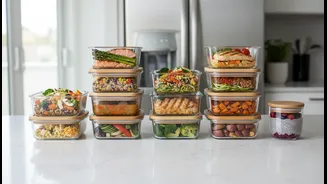
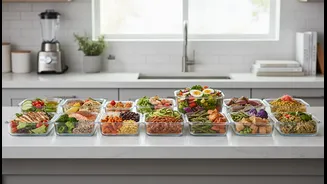
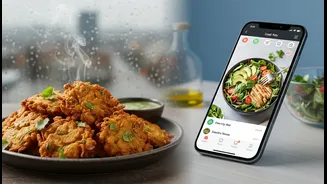
The primary appeal of any meal subscription is saving time. These services eliminate the daily grind of meal planning, grocery shopping, ingredient prep, and, in many cases, the cooking itself. In India, the market is broadly split into two categories:
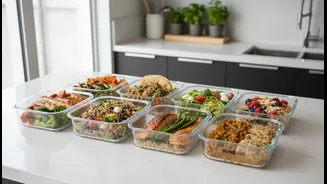
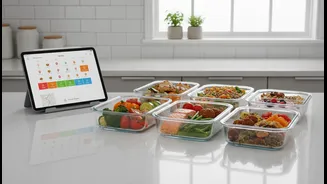
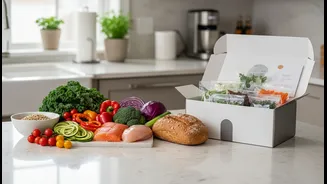
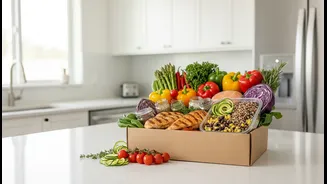
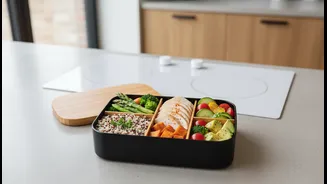
ready-to-eat meals that only require heating, and meal kits that provide pre-portioned, chopped, and measured ingredients with a recipe card. For busy professionals and small households, this means reclaiming hours each week. Instead of deciding what to cook, battling traffic to the market, and then spending time in the kitchen, a curated, portion-controlled meal arrives at your doorstep. This convenience can significantly reduce reliance on last-minute, often unhealthy, takeout orders.
The Question of Quality
But is it truly healthy? The answer depends entirely on the service you choose. Many modern meal subscription companies in India, like Food Darzee and Eat.Fit, were founded on the principle of providing balanced, diet-oriented meals. They often offer consultations with nutritionists to create personalised plans for goals like weight loss, muscle gain, or managing a keto diet. The best services focus on using real, fresh ingredients, ensuring adequate protein, and keeping sodium levels in check. However, not all services are created equal. Some ready-to-eat meals can still suffer from high sodium, hidden sugars, and ultra-processing to extend shelf life and enhance flavour. It is crucial for consumers to read nutritional labels and ingredient lists to distinguish a genuinely nutritious meal from a glorified, expensive TV dinner.
Counting the Cost
Convenience comes at a price. Healthy meal subscriptions are almost always more expensive than cooking from scratch, where buying ingredients in larger quantities is more economical. In India, a monthly plan for several meals a day can cost several thousand rupees. However, the comparison isn't always straightforward. When comparing the cost to ordering from a restaurant, a subscription is often cheaper. Furthermore, these services drastically reduce food waste, as ingredients are perfectly pre-portioned for one or two servings. Considering the average household wastes a significant amount of the food it buys, the real cost of home cooking can be higher than the grocery bill suggests. Ultimately, you are paying a premium for the time and mental energy you save.
Personalisation and Dietary Needs
A major advantage of the current generation of meal services is their ability to cater to specific dietary requirements. Whether you are vegan, gluten-free, diabetic-friendly, or following a low-carb diet, there is likely a service that can accommodate you. This level of customisation is a significant step up from traditional tiffin services and can be a game-changer for individuals with health conditions or specific fitness goals. However, the level of customisation varies. While some platforms offer extensive menus and the ability to swap out meals, others have a fixed weekly menu, offering less flexibility. This trade-off means giving up some control over your food choices in exchange for the ease of not having to make those decisions.
Building Habits or Hindering Skills?
Meal subscriptions can have a lasting behavioural impact. For many, they serve as an educational tool. The built-in portion control can help recalibrate what a healthy serving size looks like, aiding in weight management. Exposure to a variety of healthy ingredients and cuisines can also broaden one's palate and inspire healthier eating habits long-term. On the flip side, a total reliance on ready-to-eat meals could lead to a decline in cooking skills. For those who want to learn, meal kits that require some cooking offer a middle ground, teaching basic techniques with fool-proof instructions. They can be a bridge to more confident home cooking rather than a replacement for it.