






Arranging Your Pet's Care
The first major decision is whether your pet travels with you or stays behind. If they are staying, you have two primary options: a professional pet sitter who cares for your pet in your home, or a boarding facility. In-home sitting is often best for anxious
pets or those with special medical needs, as it keeps them in a familiar environment. It maintains their routine with minimal disruption. Boarding facilities, on the other hand, can be great for social dogs who enjoy interacting with other animals in a structured setting. When choosing a facility, ask about staff training, vaccination requirements, and what a typical day looks like for the animals in their care. Some veterinary hospitals also offer boarding, which can be an excellent option for pets needing medical supervision.
Seamless and Safe Transportation
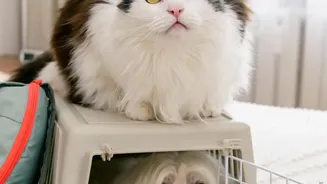
If your pet is joining you, their journey requires careful preparation. For car travel, ensure your pet is safely secured in a well-ventilated carrier or with a safety harness. Never leave them unattended in a vehicle. Acclimate them to the car with short, positive trips before the main event. Air travel is more complex. Each airline has specific rules regarding carrier size, breed restrictions, and whether a pet can fly in the cabin or must be in cargo. Book flights early, as there are limits on the number of animals allowed. A visit to the vet for a health certificate is often required, especially for international travel. This is also a good time to discuss anti-anxiety options if your pet is a nervous traveller.
The Comfort of a Consistent Routine
Pets, especially dogs, thrive on predictability. Sudden changes to their schedule can cause stress and anxiety. Whether you're using a pet sitter or taking your pet along, try to stick to their established routine as much as possible. This includes feeding times, walks, and bedtime rituals. If you have a pet sitter, leave detailed written instructions covering their entire schedule, including meal portions, medication times, and favorite activities. The more information you provide, the easier it is for the caregiver to keep your pet's life feeling normal and secure.
Packing a 'Home Away From Home'
Familiarity is a powerful tool for reducing pet anxiety. When packing for your pet, or preparing for a sitter, include items that carry the comforting scent of home. This can be their favorite blanket, a cherished toy, or even a worn t-shirt of yours. Also, pack their regular food and treats. Switching a pet's diet abruptly can lead to digestive upset. Other essential items for a travel kit include their food and water bowls, a leash, waste bags, grooming supplies, and any necessary medications. Having these familiar items creates a sense of security in a new or temporarily changed environment.
The Pre-Travel Checklist
To avoid last-minute stress, create a checklist. Ensure your pet's ID tags and microchip information are up to date with your current contact details. Prepare all necessary documents, such as vaccination records and health certificates, and keep them in an accessible place. If using a sitter, do a thorough walkthrough of your home and your pet's routine with them beforehand. Stock up on all essential supplies like food and medication to last the entire duration of your trip. Finally, before you leave, give your pet plenty of exercise to help them burn off excess energy and feel more relaxed.