




An Industry Remade for Delivery
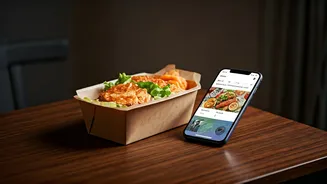
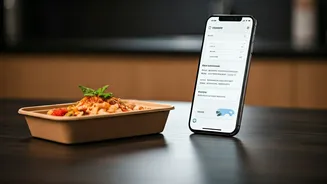
The convenience of ordering in is no longer a novelty; it is a core part of urban life. With busy schedules and rising disposable incomes, the preference for ordering food online over cooking at home is a significant driver of change. This behavioural
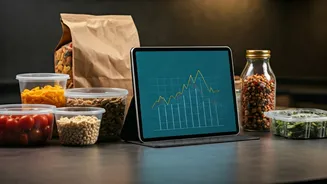
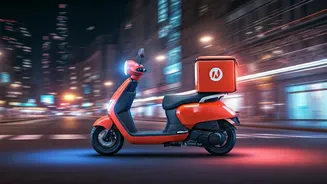
shift has fuelled an explosive industry. In India, the online food delivery market was valued at over USD 1 billion in 2024 and is projected to grow substantially, with some estimates suggesting it could reach nearly USD 3 billion by 2030. This growth isn't just about restaurant food reaching homes faster. It has created a new economic ecosystem, altering how food businesses operate and what it means to be a 'restaurant' today.
The Rise of the Ghost Kitchen
One of the most significant consequences of the app-driven food boom is the emergence of 'cloud kitchens,' also known as ghost or dark kitchens. These are cooking facilities designed exclusively for delivery, with no storefront or dine-in space. For entrepreneurs, this model dramatically lowers the barrier to entry by eliminating the high costs of prime real estate, front-of-house staff, and elaborate decor. A single, large kitchen can even house multiple virtual 'brands,' offering everything from pizza to Punjabi to pan-Asian cuisine, all operating from the same shared infrastructure. The Indian cloud kitchen market was valued at around USD 1.3 billion in 2024 and is projected to grow at a compound annual growth rate of over 16%, showing just how central this model has become.
A New Reality for Restaurants
For traditional restaurants, the delivery revolution is a double-edged sword. On one hand, platforms like Zomato and Swiggy provide access to a vast customer base that was previously unreachable. On the other, they come with high commission fees, pressure to offer deep discounts, and a loss of direct customer relationships. Many restaurant owners feel the relationship, once symbiotic, is becoming parasitic, as they grow dependent on platforms that may also be their competitors. Some aggregators have even ventured into creating their own private-label food brands, using the vast amounts of data on consumer preferences to compete directly with their restaurant partners, raising ethical questions about marketplace neutrality.
Is the Kitchen Getting Smaller?
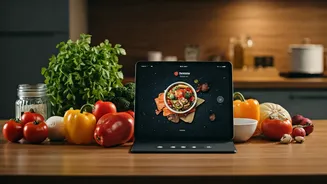
As ordering in becomes a frequent habit, the role of the home kitchen is evolving. While the dramatic idea of apartments without kitchens is still a distant concept, subtle shifts in design are noticeable. In space-crunched urban apartments, functionality and efficiency are paramount. Modern kitchen design trends in India are leaning towards minimalism, smart storage, and integrated appliances that maximise utility in compact spaces. For a growing number of urban dwellers, particularly young professionals, the kitchen is transitioning from a place of daily meal preparation to a space used less frequently, perhaps more for weekend hobby cooking than as the primary source of daily nourishment. This aligns with data showing a significant reduction in home-cooking frequency among users of food apps.
A Cultural Shift in Eating
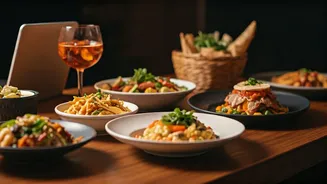
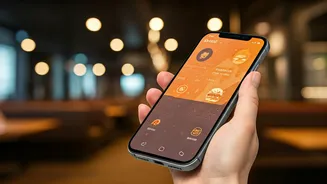
Beyond business models and kitchen layouts, food apps have introduced a new stage in our relationship with food: digitalisation. What we choose to eat is increasingly influenced by online reviews, visual-heavy social media, and algorithm-driven suggestions. Studies show that today, nearly half of what urban Indians spend on food goes towards dining out, ordering in, or buying prepared foods, a significant shift away from a grocery-heavy budget. This is not just about convenience; it reflects a broader cultural change where busy lifestyles and a desire for variety are reshaping eating habits. The very definition of a meal is changing, moving from a structured, home-prepped event to a flexible, on-demand experience.