






Prioritise Health and Hygiene
The monsoon's humidity and stagnant water create ideal breeding grounds for diseases. Vector-borne illnesses like dengue, malaria, and chikungunya see a spike during this season. Health officials in Delhi have already reviewed preparedness for these diseases ahead
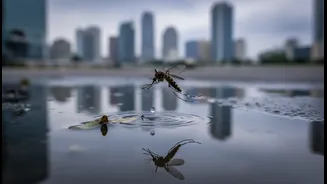
of the monsoon. To protect your family, ensure there is no stagnant water in or around your home. Check coolers, flower pots, and any open containers at least once a week. Use mosquito repellents and nets, and encourage everyone to wear long-sleeved clothing, especially in the evenings. Water-borne diseases such as typhoid and jaundice are also common due to contaminated food and water. It is crucial to drink only boiled or filtered water and be cautious about eating street food, which may be prepared in unhygienic conditions.
Monsoon-Proof Your Home
A dry and secure home is essential for a safe monsoon. Before the heaviest rains begin, check for and repair any leaks in your roof, walls, or windows. Dampness not only damages the structure but can also lead to fungal growth, which can cause respiratory issues and allergies. Electrical safety is another major concern. The increased moisture in the air can lead to short circuits and electrical shocks. It is advisable to get your home's wiring inspected by a qualified electrician, especially if it's old. Ensure proper earthing and consider installing a Residual Current Circuit Breaker (RCCB) for added protection. Never touch electrical switches with wet hands, and unplug appliances like TVs and computers during thunderstorms to protect them from power surges.
Navigate the Commute Safely
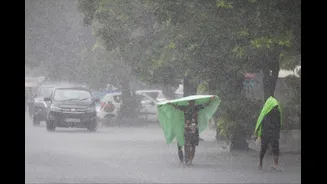
Commuting in Delhi-NCR during the monsoon can be a nightmare. Heavy rainfall frequently leads to severe waterlogging and massive traffic jams, as seen in recent reports from Gurugram. The Delhi government claims extensive drain cleaning has been done to mitigate this annual problem, but it's wise to be prepared. Before heading out, check traffic updates on apps or radio. If possible, try to travel during non-peak hours. If you drive, ensure your car’s tyres, brakes, and wipers are in good condition. Drive slowly and maintain a safe distance from other vehicles, as wet roads can be slippery. Avoid driving through heavily waterlogged areas as it can damage your vehicle's engine and you may get stuck. Authorities often issue advisories, and it's best to heed them and avoid non-essential travel during periods of very heavy rain.
Special Care For Children
Children are more susceptible to monsoon illnesses. Their immunity is still developing, and they are more likely to play in or come into contact with contaminated water. Ensure they wash their hands and feet thoroughly with soap after playing outdoors. It is important to keep their nails trimmed to prevent the accumulation of dirt and germs. Boost their immunity by providing a balanced diet rich in vitamins. Make sure they wear clean, dry clothes and footwear. Fungal infections are common during this season, so keeping them dry is key. When schools are open, pack a small hand sanitiser and teach them to use it. With outdoor play often restricted, plan engaging indoor activities to keep them occupied and happy.