





The Lions Are Back in Town
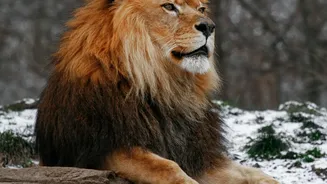
The most significant change in Barda is the establishment of a new, growing population of Asiatic lions. After being locally extinct since 1879, the lions began their return in January 2023 when a single male naturally migrated from the greater Gir region.
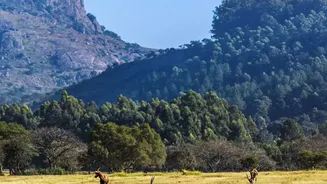
Following this pioneering move, the Gujarat Forest Department translocated several females to establish a breeding population under 'Project Lion'. Studies have confirmed that the sanctuary's 192 square kilometre expanse of hilly forests and grasslands is a suitable habitat. As of August 2026, the population had grown to 26 lions, up from 17 the previous year, including several cubs, signalling a successful natural increase. This makes Barda a crucial second home, easing population pressure on the crowded Gir landscape and providing a safeguard against potential disease outbreaks.
Setting the Table: A Growing Prey Base
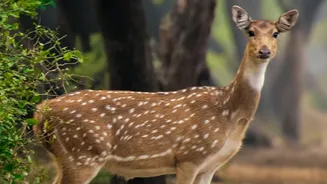
The return of an apex predator like the lion is only possible if there is enough food. A key factor in Barda's success has been the deliberate and successful augmentation of its herbivore population. For years, the forest department has worked to increase the prey base. This included establishing breeding centres for species like sambar and spotted deer (chital) and releasing them into the wild. In a significant recent effort during 2025-26, 441 chital were translocated from Gir to Barda to further strengthen the food source for the growing lion population. Studies show that while the prey density was once considered low, it is now increasing. The most numerous wild prey animals are wild pig and nilgai (blue bull), which form a substantial part of the lions' diet, supplemented by the reintroduced deer species.
A Sanctuary in Transition
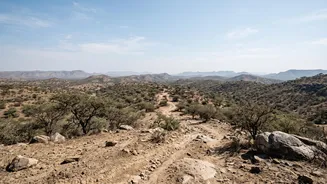
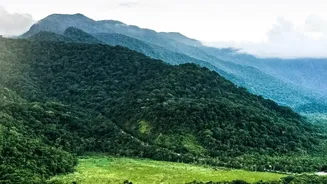
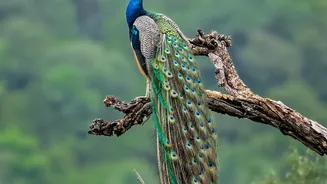
Beyond the lions, the entire sanctuary is undergoing a carefully managed transformation. Barda is home to a rich biodiversity, including 22 mammal species and over 269 bird species. With the return of the lions, the ecological balance is shifting. The sanctuary also supports other predators like leopards and striped hyenas. To support this ecosystem, extensive habitat improvement work is underway across thousands of hectares, focusing on developing grasslands, conserving soil and moisture, and removing invasive plant species. This ensures better forage and water availability for all wildlife. These efforts are part of a long-term management plan running until 2034, designed to bolster the sanctuary's role as a vital conservation landscape.
People, Progress, and Challenges
Managing a thriving wildlife sanctuary also involves managing the human element. The Barda landscape includes settlements of semi-nomadic pastoralist 'maldhari' communities. To reduce human-wildlife conflict and biotic pressure on the forest, the government has introduced a voluntary relocation scheme, offering financial packages to families who choose to move outside the sanctuary. This initiative aims to open up more space for wildlife while providing relocated families with better access to education, healthcare, and employment. Simultaneously, conservation efforts are being paired with the development of ecotourism. A safari route launched in 2024 has seen a nearly 50% increase in visitors, providing livelihoods for local residents as guides and operators and fostering community participation in conservation.