








The Real Cost of a 'Good Deal'
In the world of travel, the lowest price often comes with the biggest catch: strict, non-refundable cancellation policies. Airlines, hotels, and tour operators use dynamic pricing to offer tempting discounts—sometimes 5% to 15% lower than flexible rates—on
bookings that lock you in. These deals guarantee them revenue and reduce the risk of last-minute changes. For the traveler, however, it creates a gamble. If your plans change for any reason not covered by insurance, that 'good deal' can mean losing your entire payment. With a significant percentage of bookings now being non-refundable, travelers are increasingly exposed to this risk. This transforms vacation planning from an exciting process into a stressful calculation of what you stand to lose if life gets in the way.
Defining Your Travel Buffer
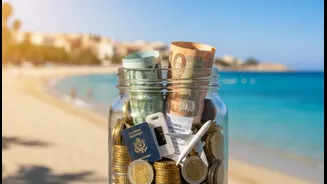
A travel buffer, often called a travel sinking fund, is a separate savings pot dedicated specifically to travel-related expenses. It is not your primary emergency fund, which should be reserved for true, unexpected crises like job loss or medical emergencies. Instead, the travel buffer is a planned fund designed to give you financial flexibility. Its purpose is twofold: to cover your planned vacation costs without going into debt, and to provide the extra cash needed to opt for more favorable terms. By intentionally setting this money aside, you create a psychological and financial barrier that prevents you from using it for impulse buys, ensuring it's there to enhance your travel experiences.
How a Buffer Buys You Flexibility
Having a healthy travel buffer changes your booking strategy entirely. Instead of automatically choosing the cheapest, non-refundable option, you can confidently select a flexible or even fully refundable fare. While these tickets cost more upfront, the buffer absorbs that extra cost. Think of it as purchasing an upgrade from 'risk' to 'reassurance.' With this financial cushion, you can book a flight that allows changes for only the fare difference, or a hotel room that can be canceled without penalty up to 24 hours before check-in. This empowers you to adapt when plans shift, whether due to a minor scheduling conflict or simply finding a better deal later on, without the fear of forfeiting your hard-earned money. It puts you in control, not the fine print.
Building Your Buffer: A Simple Guide
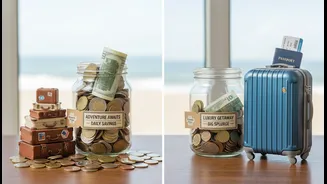
Creating a travel buffer doesn't require a financial windfall; it requires consistency. Start by defining a goal. Estimate your ideal travel budget, then decide on a timeline. Divide the total amount by the number of months you have to save to determine your monthly contribution. The most effective step is to automate the process. Set up a recurring automatic transfer from your checking account to a dedicated savings account. Even a small amount transferred weekly or monthly adds up significantly over time. To accelerate your savings, direct any 'found money'—like a tax refund, a work bonus, or cash from a side hustle—directly into your travel fund. Giving the account a motivational nickname, like "European Adventure" or "Beach Getaway," can also make you less likely to dip into it for other reasons.
Buffer vs. Travel Insurance: Know the Difference
A travel buffer and travel insurance serve different, yet complementary, purposes. Your buffer provides liquidity and freedom for voluntary changes. It gives you the power to cancel a trip because you changed your mind or to book a more expensive, flexible ticket from the start. Travel insurance, on the other hand, is for protecting yourself against major, unforeseen events. It covers financial losses from specified, unavoidable situations like a medical emergency, a death in the family, a significant flight cancellation by the airline, or lost luggage. While some credit cards offer certain protections, they often have limitations, particularly for medical emergencies abroad. The ideal strategy is to have both: a buffer for flexibility and insurance for protection against catastrophes.