



From Heirloom to High Fashion
There's a quiet revolution happening in Indian wardrobes. It starts with a mother's Kanjeevaram or a grandmother's Banarasi, sarees that are rich in memories but often confined to cupboards. Today, these textiles are being given a second life. The practice
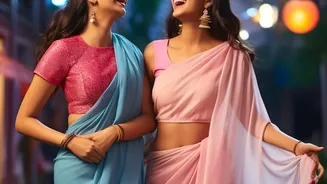
of reusing sarees is not new, born from a culture of frugality and respect for materials. However, what was once a simple household practice has evolved into a sophisticated fashion movement. Designers and fashion-forward individuals are taking these six yards of silk and reimagining them as contemporary co-ordinated sets—think stylish crop tops paired with matching trousers, skirts, or shorts. This isn't just about cutting up old fabric; it's a thoughtful process of preserving the most beautiful parts of the saree, its intricate border or its richly woven pallu, and integrating them into modern silhouettes.
The Allure of Sustainable Style
A major driver of this trend is the growing desire for sustainable fashion, particularly among younger generations. Gen Z, more than any before, is conscious of their consumption and is actively moving away from the mass-produced uniformity of fast fashion. Upcycling is the perfect antidote. It reduces textile waste, giving a beautiful and durable material a new lease on life. Each upcycled co-ord set is, by its very nature, a one-of-a-kind piece. Since they are crafted from unique, pre-loved sarees, you are guaranteed to own something no one else has. This exclusivity is a huge draw for those looking to express their individuality. It's a fashion choice that feels both personal and responsible, a way to look good while doing good.
A Wardrobe That Tells a Story
Beyond the style and sustainability, the emotional connection is perhaps the most powerful aspect of this trend. Wearing a garment made from a family heirloom is like wearing a piece of your own history. These sarees are often associated with significant life events, from weddings to festivals, and are passed down through generations. Transforming them into a modern outfit allows young women to connect with their heritage in a way that feels relevant to their contemporary lifestyle. It's a way of honouring their mothers and grandmothers, keeping their stories and legacies alive in a tangible form. This blend of nostalgia and novelty creates an outfit that is more than just clothing; it becomes a conversation starter and a treasured possession with deep personal meaning.
The New Language of Indian Textiles
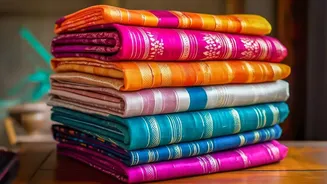
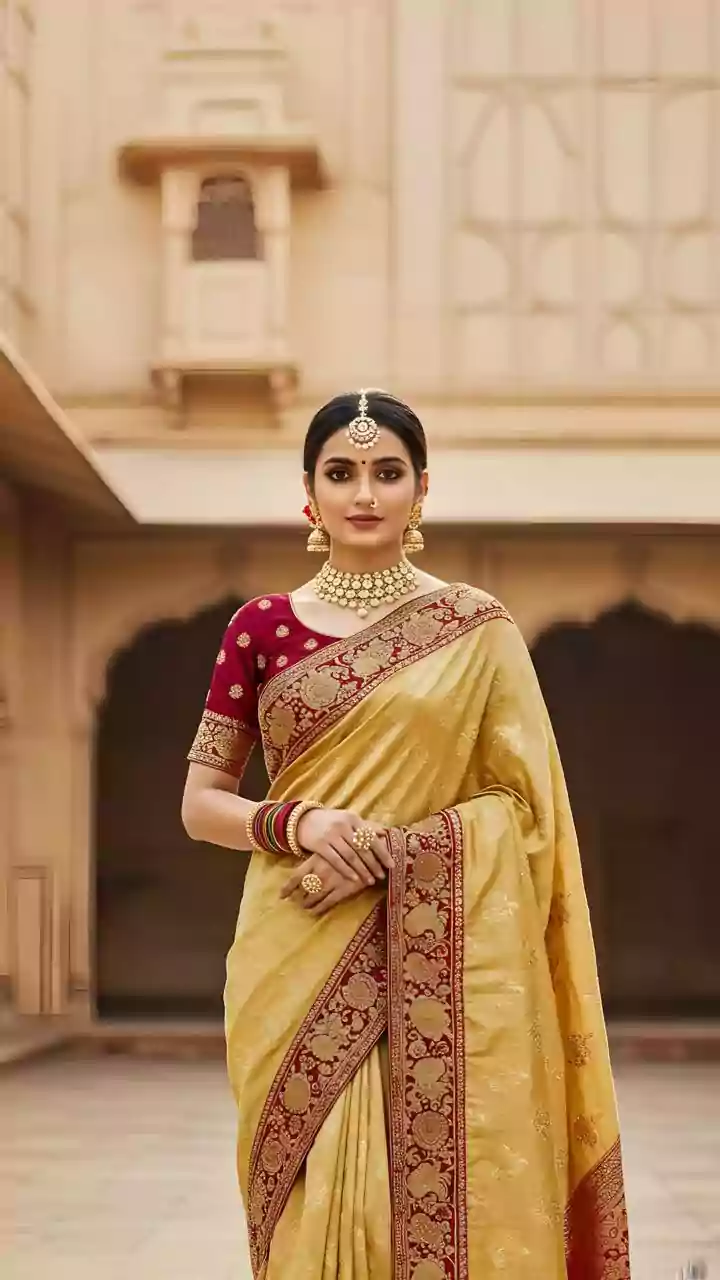
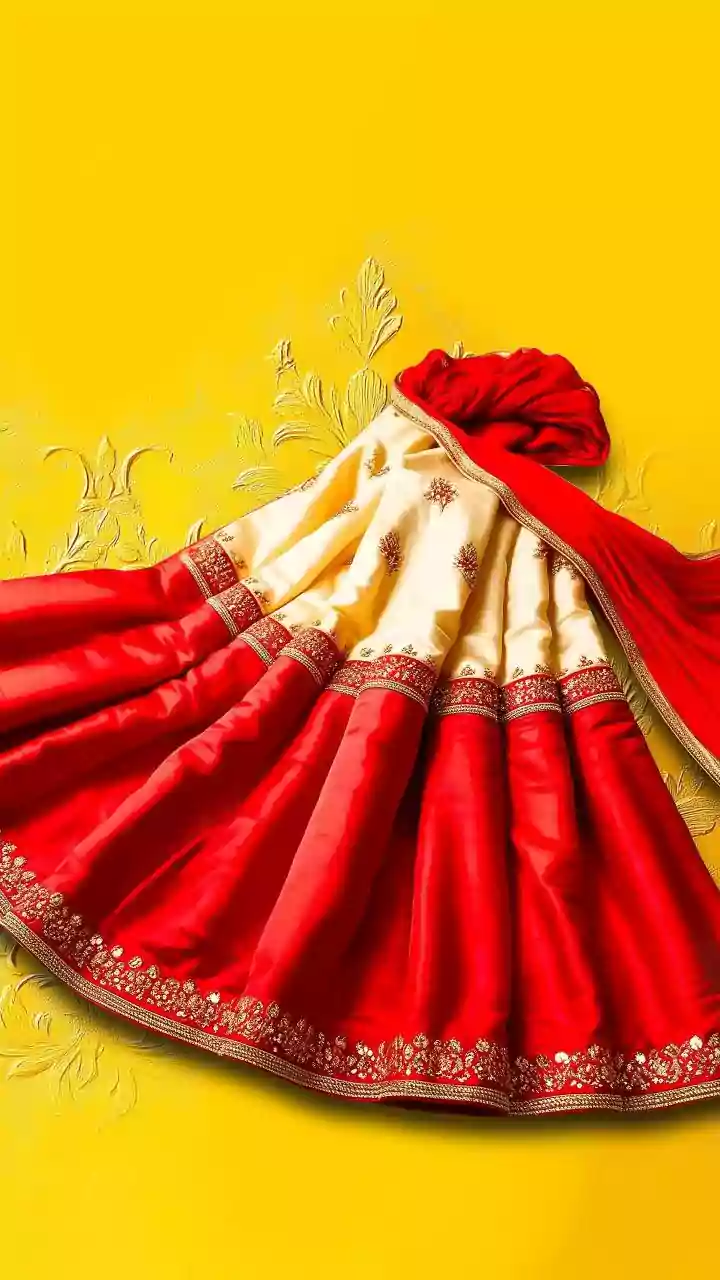
The trend is also a celebration of India's rich textile craftsmanship. Heavy silks like Banarasi, Kanjeevaram, and Patola, known for their intricate zari work and vibrant colours, are perfect candidates for upcycling. Their inherent quality and beauty ensure that the final garment is a luxury piece. Designers and local boutiques are getting creative, using different parts of the saree to maximum effect. A gleaming border might become the hem of a skirt or the detail on a modern corset, while the elaborate pallu could form the front of a statement jacket or crop top. This intelligent design approach preserves the artistry of the original weavers while adapting it for a new audience. It proves that traditional crafts don't need to be treated like museum pieces but can be a dynamic and exciting part of modern fashion.
The Rise of DIY and Designer Creations
This movement is being propelled from two directions: high-end designers and a thriving DIY culture. Boutiques and online brands have emerged that specialise in transforming old sarees into stunning new outfits, from co-ords and dresses to jackets. At the same time, social media is filled with inspiration from individuals who are taking their family sarees to local tailors with a design in mind. This accessibility has democratised the trend, making it possible for anyone to participate. Whether it's a professionally designed ensemble or a custom-made creation, the result is a deeply personal piece that bridges the gap between generations. It's a testament to how young Indians are actively engaging with their culture, not just by inheriting it, but by reinterpreting it for themselves.