








The Facts: A Multi-Million Job Engine
The numbers confirm that tourism is one of India's most significant employers. According to the World Travel & Tourism Council (WTTC), the sector supported a record 46 million jobs in 2024, which accounts for over 9% of the country's total workforce.
Projections for 2025 see this number rising to over 48 million. These aren't just jobs in hotels and airlines. The employment created is both direct and indirect. Direct employment includes jobs like hotel managers, tour guides, and restaurant staff. Indirect employment, however, casts a much wider net, covering ancillary sectors like food suppliers, construction workers building new resorts, and local artisans whose handicrafts are sold to visitors. In 2023-24, the sector was responsible for creating approximately 84.63 million jobs when including this wider impact. The total contribution to India's GDP stood at 6.6% in 2024, a figure that has surpassed pre-pandemic levels and highlights the sector's resilience and economic importance.
Practical Impact: Beyond the Balance Sheet
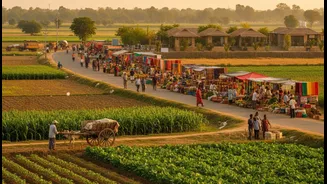
The true impact of tourism employment goes far beyond statistics. It is a sector that provides a crucial first step on the employment ladder for many, as it offers a wide range of jobs for unskilled, semi-skilled, and highly qualified individuals alike. This makes it a powerful tool for inclusive development, creating opportunities in remote and rural areas that may lack other forms of industry. Think of the homestay owner in a Himalayan village, the boatman on Kerala's backwaters, or the taxi driver in Delhi — their livelihoods are directly tied to the flow of travellers. Furthermore, tourism plays a vital role in empowering local communities and preserving culture. By creating a market for local crafts, cuisines, and cultural performances, tourism provides an economic incentive to maintain these traditions. Schemes like 'Hunar Se Rozgar Tak' and 'Paryatan Didi' aim to formalise this by providing skill training to youth and women, integrating them into the tourism economy.
The Multiplier Effect: A Rupee's Journey
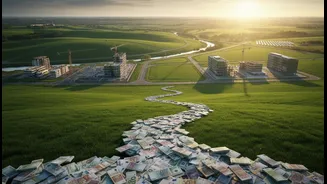
One of the most powerful aspects of tourism is the 'multiplier effect'. This economic concept describes how money spent by tourists ripples through a community. For instance, a tourist pays for a hotel room. The hotel owner uses that money to pay staff salaries, buy produce from local farmers, and hire laundry services. The staff, farmers, and laundry owner then spend their earnings at local shops, on their children's education, and on other services. In this way, the initial rupee spent by the tourist is spent again and again, multiplying its economic benefit and supporting a wide array of jobs far beyond the initial transaction. This effect is why developing infrastructure like roads and airports for tourist destinations often uplifts the entire local economy, not just the tourism-focused businesses.
Remaining Questions: The Road Ahead
Despite the impressive numbers, significant questions and challenges remain. A major issue is the quality and stability of employment. Many tourism jobs are seasonal, leading to income instability for workers. Low wages and a lack of formal training can also be prevalent, particularly in the unorganised segments of the sector. There are also concerns about sustainability. Over-tourism can strain local infrastructure like water and sanitation and damage the very natural and cultural heritage that attracts visitors in the first place. The government has recognised these challenges, with initiatives like the Swadesh Darshan 2.0 scheme focusing on sustainable and responsible tourism development. However, effectively managing these issues requires a concerted effort. Key questions for the future include: How can we create more year-round, stable employment? How can we ensure that local communities are the primary beneficiaries of tourism growth? And how can India develop its tourism potential without compromising its environmental and cultural assets? Addressing these will be crucial to ensuring the tourism engine drives long-term, equitable prosperity.