

What Are the Perseids?
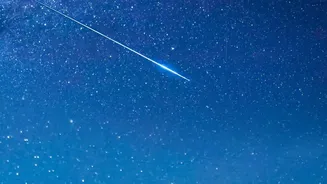
The Perseid meteor shower is an annual event that occurs every summer as Earth passes through a trail of cosmic debris left behind by Comet 109P/Swift-Tuttle. This comet, a massive ball of ice and rock, orbits the sun once every 133 years. As tiny particles
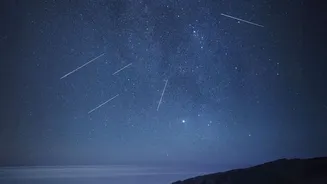
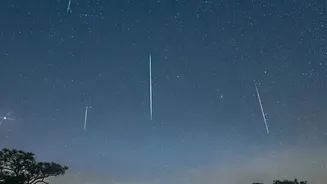
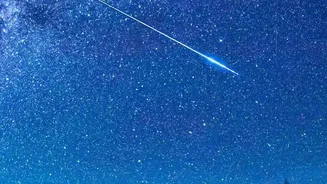
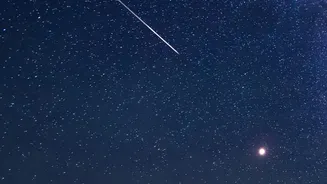
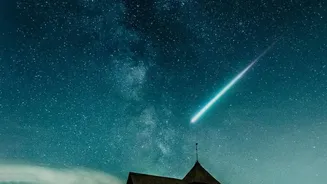
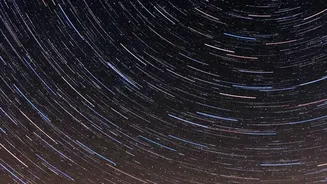
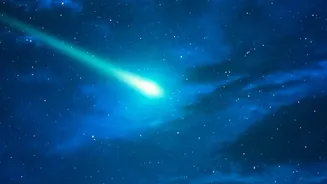
from the comet—many no bigger than a grain of sand—enter our atmosphere at incredibly high speeds of around 59 kilometres per second, they burn up and create brilliant streaks of light across the night sky. These meteors, often called shooting stars, are known for being bright, fast, and frequently leaving behind persistent glowing trails. It is considered one of the most popular and reliable meteor showers of the year.
Perfect Timing: When to Watch in 2026
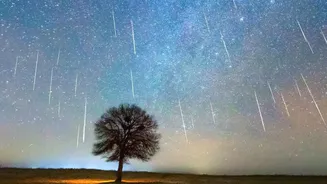
The Perseid meteor shower will be active from mid-July to late August 2026. However, the best time to watch will be during its peak, on the night of August 12 and into the early morning of August 13. The ideal viewing window is between midnight and the hours just before dawn, as this is when the part of Earth you are on is facing directly into the meteor stream. In a wonderful stroke of luck for skygazers, the 2026 peak coincides with a new moon. This means the sky will be exceptionally dark, creating perfect conditions to see even the fainter meteors. Under these ideal conditions, you could potentially see 50 to 100 meteors per hour.
Find a Wide Sky, Far from City Lights
To maximise your chances of seeing the shower, you need to find a location with a wide, unobstructed view of the sky. The single biggest obstacle for most viewers is light pollution from cities and towns, which can wash out all but the brightest meteors. Heading out to the countryside, a park, or any spot away from streetlights is your best bet. You don't need any special equipment like binoculars or a telescope; in fact, your naked eyes are the best tool for the job because they allow you to take in the widest possible view of the sky. Meteors can appear in any part of the sky, so a broad field of vision is key. Once you find your spot, give your eyes at least 15 to 30 minutes to fully adjust to the darkness. During this time, avoid looking at your bright phone screen.
Your Monsoon-Ready Weather Backup
In many parts of India, August falls during the monsoon season, which means cloudy skies can be a major challenge. The headline's advice to have a "weather backup" is crucial. Start checking the weather forecast a few days in advance. If the peak night of August 12-13 looks cloudy, don't despair. The days leading up to the peak are often better for viewing than the days after. The shower is active throughout early August, so you can try your luck on any clear night before the peak and still catch a good number of meteors. Another strategy is to be patient. Sometimes, cloud cover can break for short periods. If you're already at a dark sky location, it might be worth waiting for a clear patch. Remember that meteor activity often comes in bursts, with lulls in between, so patience is essential for a successful viewing.
Get Comfortable and Enjoy the Show
Once you have your when and where sorted, focus on comfort. You'll be looking up for a long time, so a reclining lawn chair or a blanket on the ground is a great idea to avoid neck strain. Dress in layers, as even summer nights can get cool, especially in the hours before dawn. Bringing along some snacks, a warm drink, and perhaps some bug spray can make the experience much more pleasant. While the meteors will appear to radiate from the constellation Perseus, you don't need to stare at that one spot. The best approach is to lie back, look up at the darkest patch of sky you can find, and simply take in the view. The less you focus on one specific point, the more you're likely to see.