







The Power of You: How It Works
At the heart of this revolution are thermoelectric generators, or TEGs. The concept behind them is surprisingly simple and dates back to the 19th century. These devices generate electricity when there's a temperature difference across them. For a wearable
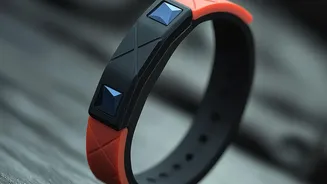
device, the two sides are your warm skin and the cooler ambient air. Even a small difference is enough to create a steady, continuous electrical current. Imagine a tiny power plant strapped to your wrist, converting the heat you naturally radiate into usable energy. Researchers are developing these generators to be small, lightweight, and flexible, allowing them to be comfortably attached to the skin or even woven into fabrics. This technology promises to liberate health monitoring from the constraints of batteries, which require periodic charging or surgical replacement in the case of medical implants.
Beyond Step Counting
The true potential of TEGs goes far beyond powering fitness trackers. The goal is to enable uninterrupted, long-term monitoring of critical health data. Think of batteryless sensors that can continuously track vital signs for patients at home, especially the elderly or those with chronic conditions. Researchers are working on TEG-powered devices for a wide range of applications, including electrocardiogram (ECG) monitors, blood oxygen sensors, and even continuous glucose monitors. For medical implants like pacemakers, defibrillators, or neurological stimulators, self-powering technology could be life-changing, eliminating the need for invasive surgeries just to replace a battery. This constant stream of data allows for a shift from reactive to proactive healthcare, where doctors can spot worrying trends long before they become emergencies.
Hurdles on the Horizon
While the promise is immense, turning body heat into a reliable power source faces significant challenges. The primary obstacle is efficiency. The temperature difference between human skin and the surrounding air is often small, meaning early TEGs generate very little power. Current wearable TEGs have a low energy conversion efficiency, often between 2-8%. Many of the most effective thermoelectric materials are also rigid and brittle, which conflicts with the need for soft, flexible devices that can conform to the body. Researchers are tackling this by engineering new nanostructured materials and creating innovative device architectures to maximize heat capture and power output while maintaining flexibility. Another issue is cost and the use of rare or potentially toxic materials, which are not ideal for devices in constant contact with skin.
The Future of 'Wear-and-Forget' Health
Despite the challenges, the trajectory is clear. Scientists are making rapid progress with novel materials and designs, including printable thermoelectric inks that could make production cheaper and more scalable. Some are even developing hybrid systems that combine body heat harvesting with power generated from movement, boosting the total energy output. The ultimate vision is a future of 'wear-and-forget' medical technology—devices that seamlessly integrate into our lives, providing a constant, reliable stream of health information without any action required from the user. This could empower individuals and their doctors with unprecedented insight into their health, managing conditions more effectively and personalizing treatments based on real-world, real-time data. It marks a fundamental shift in personal health, making monitoring as natural and continuous as breathing.