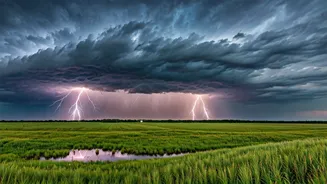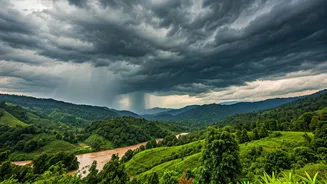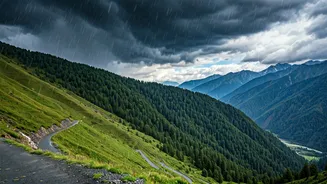





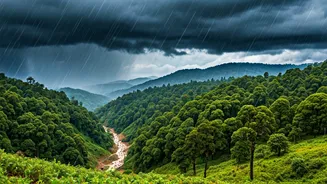



Red Alert Sounded by IMD
The India Meteorological Department (IMD) has issued a red alert for Sub-Himalayan West Bengal and Sikkim, forecasting heavy to very heavy rainfall, with isolated instances of extremely heavy downpours, through June 29. According to an IMD press release
dated June 28, 2026, this intense weather pattern is expected to continue for several days, bringing more than 204.5 mm of rain to some areas. The alert cautions that this deluge significantly increases the risk of flash floods and dangerous landslides in the vulnerable, hilly terrains of Darjeeling and Kalimpong districts. Authorities have been advised to take all necessary precautions as the intense spell could disrupt normal life and inundate low-lying areas.
Rivers Swell, Flood Risk Looms
The relentless rain has already caused river levels to rise alarmingly. The Teesta River, a major waterway in the region, is being closely monitored. Runoff from the mountains of Sikkim and heavy rainfall have pushed the Teesta above the danger level at multiple points in both India and downstream in Bangladesh. As of the evening of June 28, the river was flowing 7cm above the danger mark at the Dalia point, prompting authorities to open all 44 sluice gates of the Teesta Barrage to manage the immense water pressure. This has led to the inundation of low-lying areas and riverine chars, with fears of widespread flooding if the rain continues as predicted. The administration is watching the rising water levels in other rivers as well, cautioning residents in vulnerable areas to remain vigilant.
High Risk of Landslides
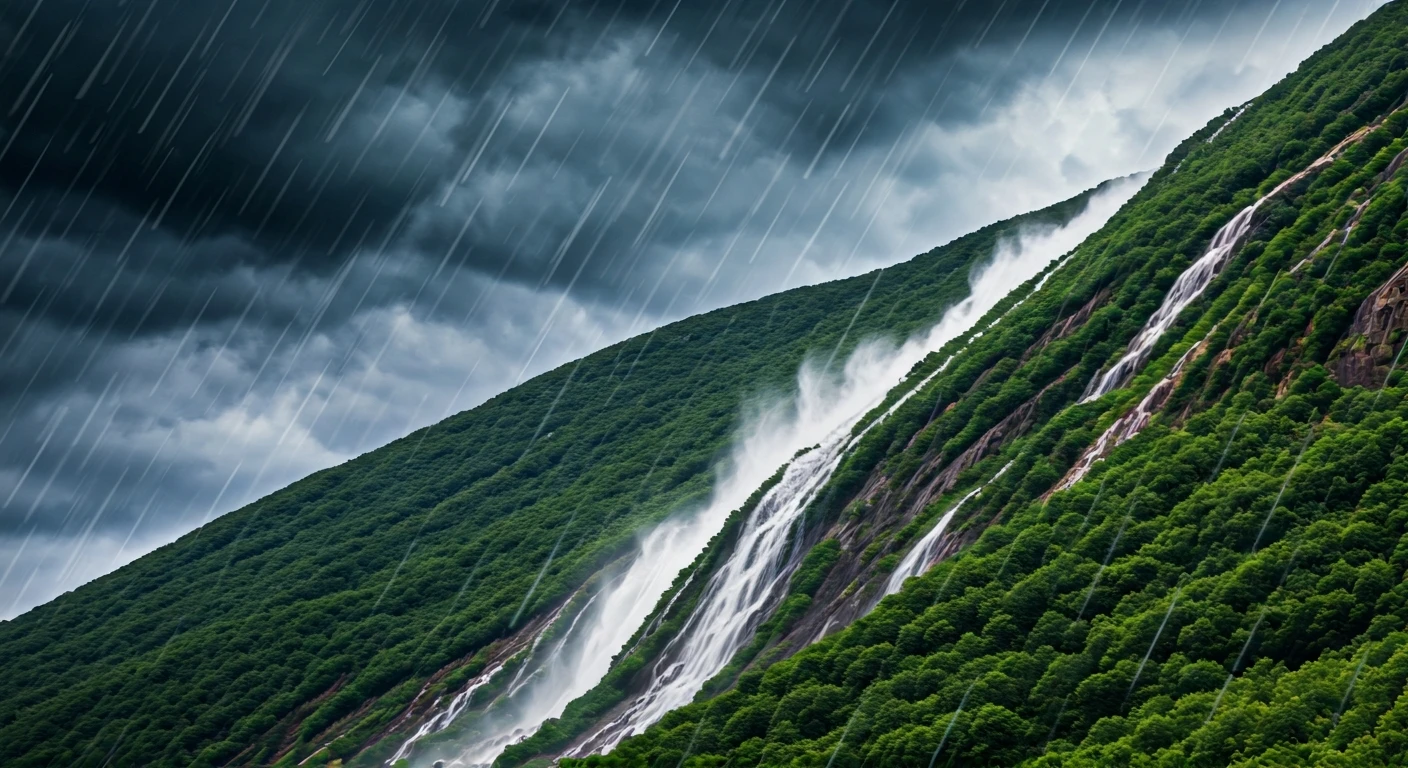
The mountainous topography of Sikkim and North Bengal makes the region exceptionally prone to landslides during heavy monsoon showers. The IMD has specifically warned of this possibility, urging extreme caution on travel. Critical transit routes like National Highway 10, which connects Sikkim to the rest of the country, face the threat of blockages from debris. In early June, heavy rains had already triggered a significant landslide near Bhaley Dhunga in Yangang, Sikkim, prompting a large-scale response from disaster management agencies. That event served as a stark reminder of the region's vulnerability. Authorities have been preparing for such events, with the Sikkim government activating preparedness plans and directing all departments to remain on high alert.
Official Advisories and Safety Measures
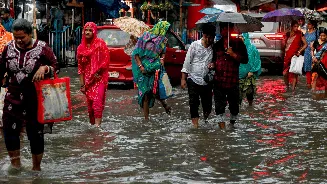
In response to the red alert, state and district administrations have issued advisories for residents and tourists. People are strongly advised to avoid areas prone to waterlogging and to stay away from vulnerable structures. Travel, especially at night and through hilly corridors, is discouraged due to the high risk of road blockages and landslides. The government has directed disaster response teams to be on standby and to ensure rapid response capabilities. Residents in affected districts are urged to monitor official updates from the IMD and local authorities, and to avoid sharing unverified information that could cause panic. Farmers have been advised to postpone the application of fertilisers and to ensure standing crops are supported to prevent wind damage. Fishermen have also been warned against venturing into rough seas and rivers.
A Checklist for Staying Safe
During such extreme weather events, preparedness is key. Residents in high-risk zones should prepare an emergency kit with essentials like a torch, first-aid supplies, dry food, and drinking water. Ensure your mobile phones are fully charged. Stay informed by following official news channels and weather bulletins. It is crucial to identify safe evacuation routes and shelters in your area beforehand. During heavy rain, avoid walking or driving through waterlogged streets. Stay away from electrical poles and fallen power lines. If you are in a landslide-prone area, be alert for any unusual sounds like cracking trees or rumbling debris, which could signal an imminent slide. If instructed to evacuate by authorities, do so immediately without delay. Your safety, and that of your family, should be the top priority.