


The Rise of the Edible Memento
There’s a quiet revolution happening in carry-on bags and checked luggage around the world. Instead of shot glasses and keychains, travellers are packing tins of paprika, bags of uniquely flavoured crisps, and jars of local honey. This shift, often called
'snack tourism' or 'grocery store tourism', is about bringing home a literal taste of a destination. According to a 2026 travel report from Skyscanner, four out of five Indian travellers now consider a visit to a local supermarket an essential part of their trip abroad, with 60% stating it’s their favorite way to connect with a new culture. This trend reflects a deeper desire for authenticity and experiences over mass-produced trinkets. It’s a move away from collecting objects to collecting flavours, memories, and stories.
A Supermarket Aisle Tells a Thousand Stories
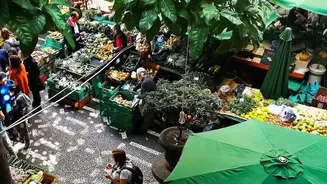
Why the fascination with the mundane? A supermarket offers an unfiltered glimpse into the daily life of a local culture in a way a curated museum or a tourist-trap restaurant cannot. The shelves reveal what people eat for breakfast, the snacks they pack for their kids, and the spices they use for family dinners. For many, exploring these aisles is a form of cultural immersion that feels more genuine and personal. Psychologically, souvenirs serve as tangible memory triggers. An edible item, like a specific brand of biscuits from France or a unique KitKat flavour from Japan, can powerfully evoke the feeling of being back in that place every time you take a bite, making the memory interactive. It transforms the souvenir from a passive object on a shelf to an active, sensory experience.
From Italian Pasta to Japanese Sodas
The possibilities for edible souvenirs are as diverse as the world itself. Travellers returning from Italy might pack their bags with dried pici pasta, tubes of 'nduja, or high-quality olive oil. Those visiting Japan often seek out limited-edition drinks and snacks from convenience stores, a practice so popular it has its own name: 'Konbini Tourism'. In Mexico, it might be a special blend of chiles or Tajín seasoning, while a trip to the Middle East could yield a bounty of za'atar. Even within India, travellers explore regional specialties, bringing back unique spices or sweets from different states. The appeal lies in finding items that are staples locally but are considered exotic or unavailable back home. These items become status symbols of being well-travelled, shared and showcased in 'haul videos' on social media platforms like TikTok.
Tips for the Globally Grazing Traveller
Bringing home a taste of your travels requires a bit of planning. First and foremost, check the customs regulations for your home country, as fresh fruit, vegetables, and meat products are often restricted to prevent the spread of disease. Stick to non-perishable and well-packaged goods like spices, condiments, teas, coffees, and factory-sealed snacks. For liquids like oils or sauces, ensure they are securely wrapped (double-bagging is a smart move) and packed in checked luggage to avoid issues with carry-on liquid limits. When buying delicate items like chocolate or certain cheeses, some travellers even recommend freezing them before the flight to help them survive the journey. Often, simply telling a local shopkeeper you're travelling long-haul will result in helpful advice and travel-safe packaging.