






The Problem with Paper Piles
A scattered pile of mail is more than just physical clutter; it's a significant source of mental clutter. Each unopened envelope or unsorted paper represents a postponed decision and an unfinished task. This creates a low-grade, constant stress, as your
brain is forced to process these visual distractions, which can reduce your working memory and ability to focus. This phenomenon, sometimes called decision fatigue, occurs because every item demands a choice: keep, toss, pay, or file. When these choices are spread across multiple rooms and delayed over time, your brain remains preoccupied with these incomplete actions, leading to mental fatigue, irritability, and a feeling of being perpetually overwhelmed. The simple act of letting mail wander around your home quietly drains your cognitive resources and raises stress levels.
Create Your Command Centre
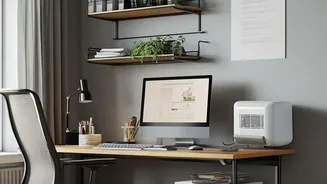
The most effective way to combat this scattered process is to establish a single, designated spot for handling all incoming paper. This is your command centre. It doesn’t need to be large or elaborate, but it must be consistent. This could be a small section of your kitchen counter, a nook in your entryway, or a dedicated desk drawer. The goal is to create a station where mail and other papers stop before they have a chance to migrate throughout your home. Equip this space with the essential tools: a recycling bin for junk mail, a shredder for sensitive documents, a letter opener, pens, and a simple filing system. Having everything you need in one place removes the friction that often leads to procrastination. It transforms mail processing from a scattered chore into a streamlined, predictable routine.
Embrace the One-Touch Rule
A core principle of effective organization is the "one-touch rule." Simply put, once you pick up a piece of mail, you should deal with it immediately and completely. This prevents you from setting items down to create future clutter. When you touch a piece of paper, you have only a few options: act on it, file it, or discard it (by recycling or shredding). 'Acting' could mean paying a bill, RSVPing to an invitation, or adding a date to your calendar. 'Filing' means putting it in its designated long-term home. 'Discarding' is for junk mail and anything you don’t need. This rule eliminates the mental negotiation of "I'll deal with this later," which is how piles begin. By making an immediate decision, you prevent indecision from creating clutter and reduce the decision fatigue associated with a growing paper pile.
A Simple System for Sorting
Your command centre won't work without a simple, intuitive sorting system. Avoid creating overly complex categories that you won't maintain. A three-part system often works best. You can use stacking trays, wall-mounted file pockets, or even just labeled folders. The first category is "Action Required." This is for items that need a specific task to be completed, like bills to pay or forms to sign. The second is "To File." This is for documents you need to keep for your records, such as bank statements, receipts for major purchases, or tax documents. The third is "To Read," for magazines, newsletters, or catalogues that you want to look at later. The key is to schedule a time to regularly clear out these folders. The 'Action' folder should be reviewed daily or every other day, while the 'To File' and 'To Read' folders can be handled weekly.
Making the Habit Stick
Creating a clutter-free system for your mail is about building a new habit. It will take practice and consistency. The best way to start is to integrate it into your existing routine. For example, dedicate just five minutes every day when you walk in the door to sort the mail at your command centre. Place your recycling bin and shredder right where you process the mail to make it as easy as possible to discard junk immediately. Don't aim for perfection from day one. The goal is to avoid letting papers pile up for days on end. If you miss a day, just get back on track the next. Over time, this small, repeated action will become automatic. You'll no longer see mail as a source of stress but as a simple, manageable task that takes only a few moments of your day.