
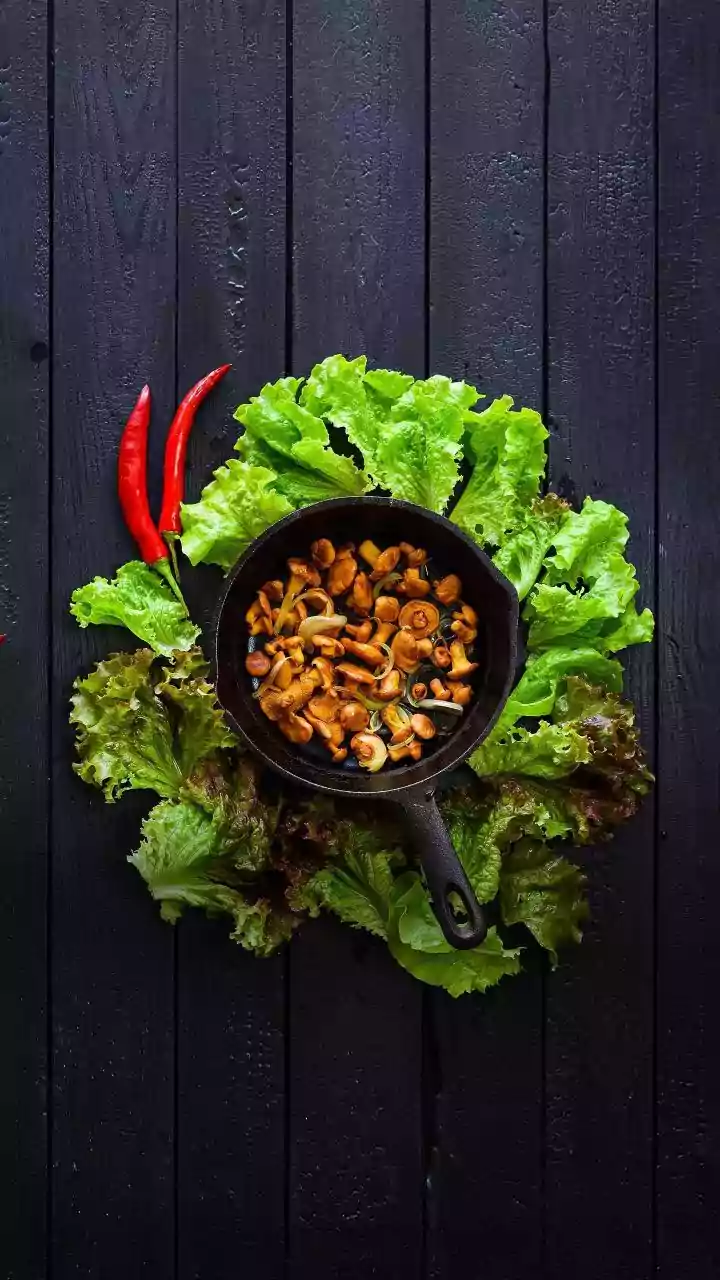






The Fungus Among Us
There’s a quiet culinary shift happening this monsoon. Across cities like Mumbai, Goa, and Bengaluru, chefs are curating special rainy-day menus, and one ingredient is consistently stealing the spotlight: the mushroom. From hearty soups and comforting
bowls to gourmet appetisers, fungi in all their forms are being celebrated. Eateries are rolling out everything from Cream of Mushroom Soup and Enoki Crunch Rolls to Tandoori Mushroom Skewers and rich mushroom-based lasagnas and risottos. This isn’t just about adding another vegetarian option; it's a deliberate embrace of an ingredient that feels perfectly suited to the cool, damp weather, offering warmth, complex flavours, and a sense of indulgence that pairs beautifully with the rainy season.
A Perfect Match for the Monsoon
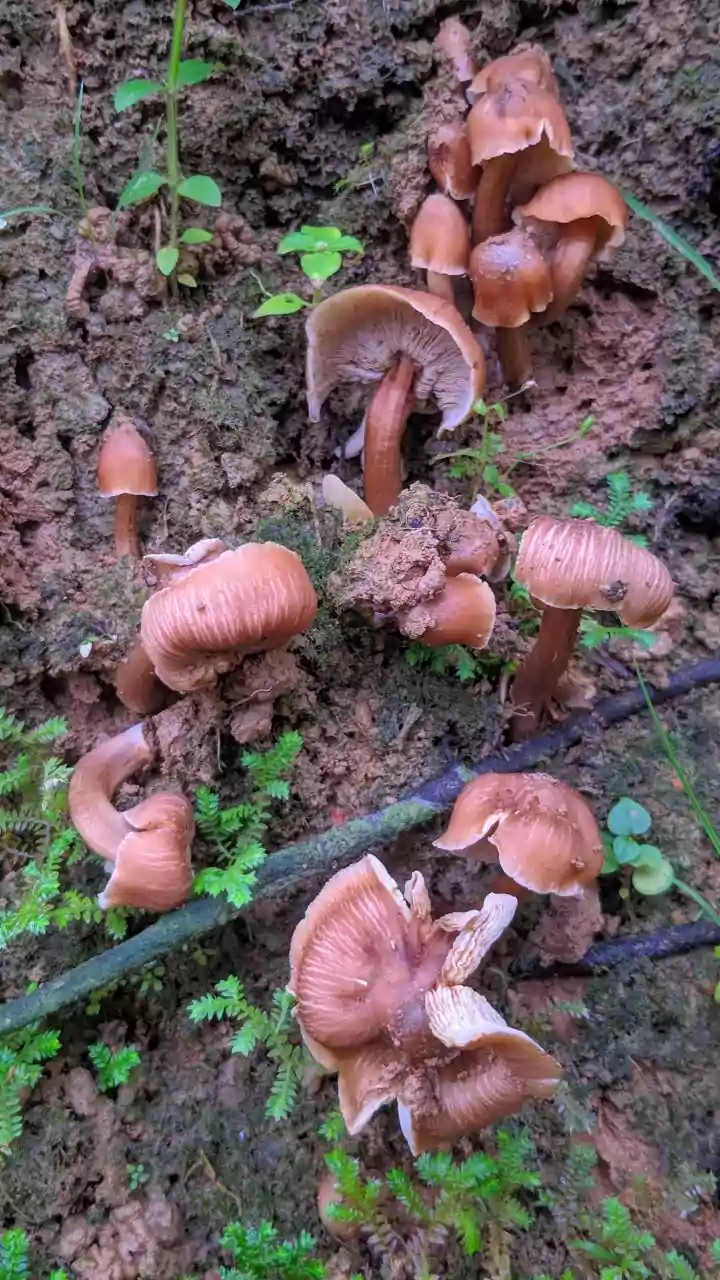
Why are mushrooms having such a moment during the monsoon? The reasons are both practical and poetic. The rainy season is naturally the best time for mushroom cultivation in India. The high humidity creates the ideal environment for varieties like oyster, milky, and paddy straw mushrooms to thrive, reducing the need for complex climate control and making them abundantly available. Foragers and local communities, particularly in regions like Goa and Jharkhand, have long cherished wild mushrooms that sprout during this time. Varieties like 'olmi' in Goa and 'rugda' in Jharkhand are seasonal delicacies that appear only for a few weeks, making them a highly anticipated ingredient. This natural abundance and deep-rooted culinary tradition make mushrooms a logical and exciting choice for chefs looking to build seasonal menus.
Beyond the Button
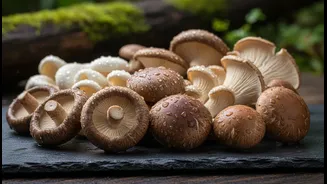
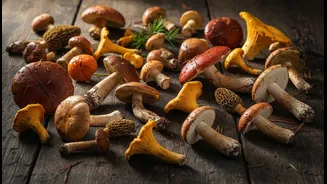
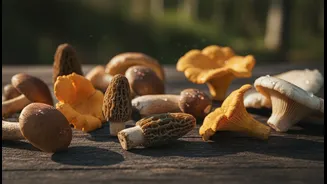
While button and oyster mushrooms remain popular staples in Indian cuisine, chefs are now exploring a much wider world of fungi. Exotic and gourmet varieties are appearing more frequently, each bringing a unique texture and flavour profile. Menus are featuring the meaty, smoky notes of shiitake and the delicate, crisp clusters of enoki and shimeji. Hearty portobellos are being used for their steak-like quality, while wild varieties like Goan olmi, Jharkhand's rugda, and Himalayan dhingri offer a taste of the region's terroir. Some high-end menus even feature luxurious ingredients like truffles and morels, adding a touch of gourmet sophistication to their rainy-day offerings. This exploration allows diners to experience the vast diversity of the mushroom kingdom, from the familiar to the foraged.
A Bowl of Comfort and Health
The appeal of mushrooms goes beyond their earthy taste. They are considered a nutritional powerhouse, making them an especially smart choice during the monsoon when immunity can be a concern. Packed with protein, fibre, and essential nutrients like B vitamins, potassium, and selenium, mushrooms offer significant health benefits. They are known to have immunity-boosting properties, which can help guard against seasonal illnesses like colds and flu. Furthermore, mushrooms are low in calories and fat, making them a light yet satisfying option that aligns with the desire for comforting but not overly heavy food during the rains. From a simple mushroom soup to a complex Japanese hot pot, these dishes provide a sense of warmth and well-being.
How to Enjoy the Trend
Restaurants are serving up mushroom-centric dishes in a variety of creative ways. In Mumbai, you might find a 'Massaman Pulled Shroom Croissant' or a Japanese hot pot with enoki and king oyster mushrooms. In Goa, traditional xacuti curry is prepared with seasonal wild olmi mushrooms, a local delicacy. Across the country, you can find dishes like mushroom masala, tandoori mushroom tikka, and hearty biryanis. There's also a word of caution: while commercially cultivated mushrooms are safe, wild mushrooms must be sourced and identified with extreme care, as many poisonous varieties look similar to edible ones. Nutritionists advise that as long as mushrooms are sourced from reliable suppliers and are washed and cooked well, they are a fantastic addition to a monsoon diet.