


The 2026 US midterm elections are over, but instead of providing clarity, they have cast a long shadow of uncertainty over America's role in the world. With President Donald Trump weakened and Democrats in control of Congress, allies and adversaries alike
are asking the same question: what happens next?
A Midterm Tsunami Changes the Game
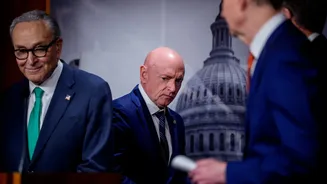
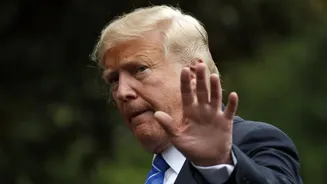
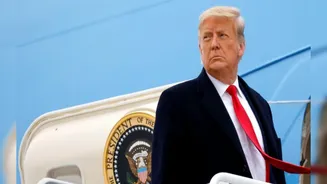
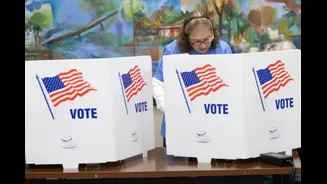
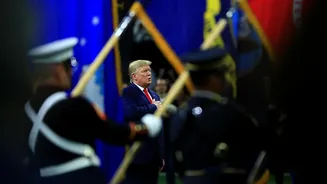
The November 3rd elections delivered a stunning blow to the Republican party, with Democrats winning control of both the House of Representatives and the Senate. This outcome was a clear repudiation of the president's agenda, with many analysts attributing the Republican losses to voter frustration over the cost of living, which was seen as a direct consequence of Trump's trade tariffs and the ongoing war with Iran. While Trump remains president for two more years, he now faces a hostile Congress for the first time, creating a divided government and setting the stage for significant political battles. This new dynamic dramatically complicates his ability to govern and introduces a new layer of unpredictability into American foreign policy.
A President Unchained, or Unravelled?
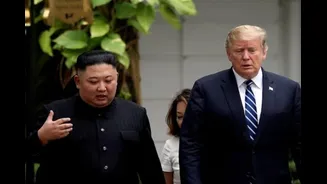
Historically, US presidents in their final two years, often called 'lame ducks', turn their focus to foreign policy, where they have more freedom to act without congressional approval. Analysts are divided on what this means for a Trump presidency. Some experts believe a politically wounded Trump, unable to pass his domestic agenda, may become more aggressive and unpredictable on the world stage to cement his legacy. He retains significant authority as commander-in-chief, and could escalate conflicts or pursue surprise deals with leaders like Russia's Vladimir Putin and China's Xi Jinping. Others suggest the electoral defeat might chasten him, making him more cautious to avoid further alienating a public weary of foreign entanglements and their economic costs. His next moves are a major source of global uncertainty.
Allies Hopeful, But Cautious
For traditional US allies in Europe and Asia, the midterm results brought a sense of relief. Many hope a Democrat-controlled Congress can act as a check on Trump's 'America First' instincts, potentially repairing relationships strained by tariff wars and a distaste for longstanding alliances. Ukrainian officials, for instance, expressed hope for renewed military and financial support, which had been largely halted by Trump. However, the relief is tempered with caution. European leaders have stressed that they must continue to build their own security and economic sovereignty, aware that a divided US government can lead to paralysis and that the president still holds significant power over diplomacy.
What Does This Mean for China and India?
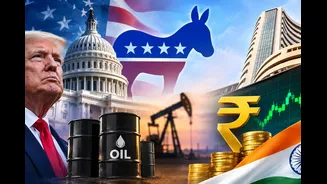
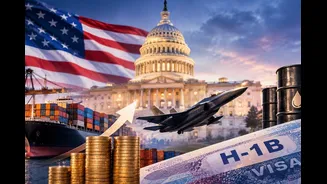
China is watching the situation closely, with analysts believing the results present both an opportunity and a challenge. A weakened Trump might be more eager to preserve the current trade truce to avoid further economic instability. However, a Democrat-led Congress could increase pressure on issues like Taiwan and technology restrictions, as being tough on China is one of the few areas with bipartisan agreement in Washington. This means US–China relations are likely to remain complex and competitive. For India, the uncertainty in Washington is a critical concern. Any major shift in US policy—whether it involves trade, technology competition with China, or strategic focus on the Indo–Pacific—will have direct implications. The new power dynamic in Washington means that key policy directions that impact New Delhi's economic and security interests are now less predictable than ever.