

Why Warmth is the New Cool
There's a palpable shift in Indian interior design. After years dominated by glossy finishes and cool-toned palettes, homeowners are now craving spaces that feel grounded, calming, and connected to nature. This trend, often called 'warm minimalism', isn't
about clutter; it's about curating a sensory experience that soothes and comforts. The move is driven by a desire for sustainability and wellness, with an increasing number of people seeking to create homes that serve as personal retreats from the bustle of the outside world. The aesthetic leans on materials that have been part of Indian homes for centuries, creating a sense of cultural connection and timelessness.
The Embrace of Earthy, Natural Materials
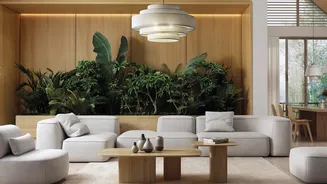
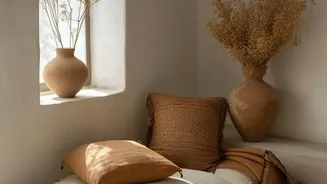
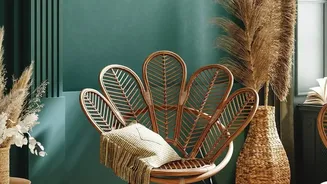
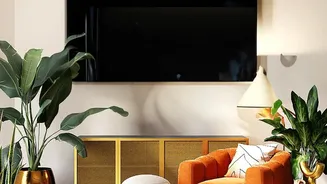
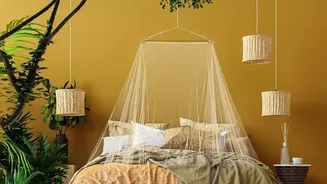
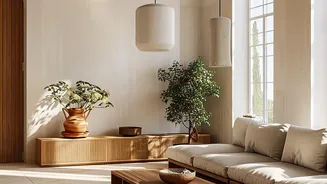
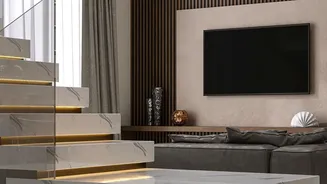
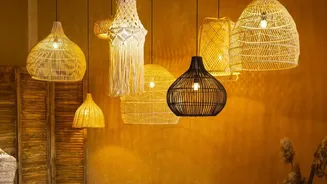
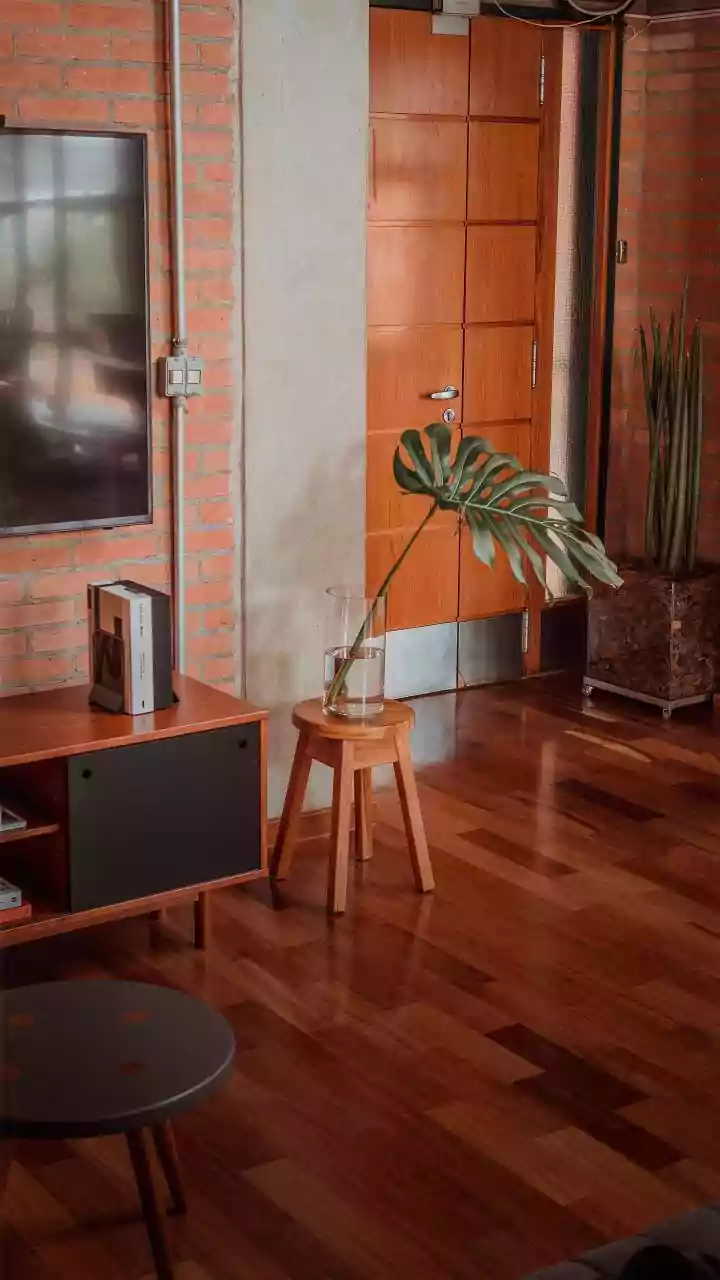
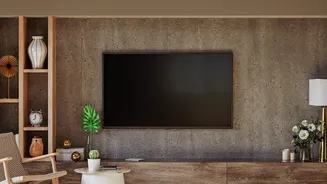
The foundation of this warmer aesthetic lies in the celebration of natural textures. Materials like wood, stone, cane, and terracotta are making a major comeback. Solid woods such as teak, sheesham, and mango are prized for their durability and the rich, warm tones they bring to furniture and flooring. Simultaneously, materials like rattan, jute, and bamboo are appearing in everything from accent chairs and light fixtures to room dividers and storage units. These materials add a handcrafted, artisanal feel that mass-produced items lack. In kitchens and on accent walls, terracotta tiles and local stones like Kota and Jaisalmer are being used to add texture and an organic, earthy feel. Even textiles are part of the story, with linen and handwoven cottons replacing synthetic fabrics for a more breathable and tactile experience.
The Art of Layered Lighting
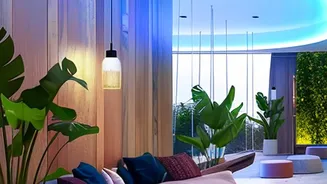
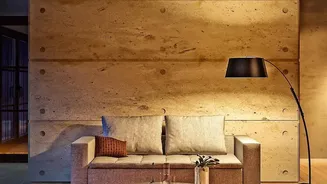
A room full of beautiful materials can fall flat without the right illumination. This is where layered lighting, a technique long used by designers, becomes essential. Instead of relying on a single, harsh overhead light, this approach combines three distinct types of lighting to create depth and mood. 1. Ambient Lighting: This is the general, overall light that fills the room, often from a central pendant, chandelier, or cove lighting in a false ceiling. Its purpose is to provide comfortable visibility. 2. Task Lighting: This is focused light for specific activities like reading, cooking, or working. Think table lamps, floor lamps next to a sofa, or under-cabinet lights in the kitchen. 3. Accent Lighting: This is the 'drama' layer. It’s used to highlight architectural features, artwork, or the texture of a stone wall. Spotlights, picture lights, and wall sconces are common tools for accenting. This is the layer that truly brings the textures of natural materials to life.
Bringing Materials and Light Together
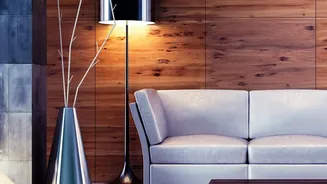
The magic happens when these two trends intersect. The right lighting can transform the way natural materials look and feel. For instance, a warm-toned accent light (around 2700K-3000K) can make wooden furniture and brass accents look richer and more inviting. An uplight placed behind a large plant can create beautiful shadows on a plain wall, adding a dynamic, natural element. Wall sconces that wash light downwards across a textured plaster or exposed brick wall will highlight its unique surface, something a central ceiling light could never achieve. The key is to use multiple light sources on separate, dimmable controls. This allows you to adapt the room’s atmosphere from bright and functional for a busy morning to soft and intimate for a quiet evening.
How to Start Small
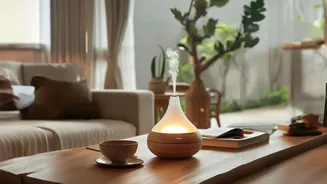
Adopting this trend doesn’t require a complete overhaul. You can begin by incorporating small, impactful changes. Swap out a few synthetic cushion covers for ones made of handwoven cotton or jute. Add a cluster of terracotta pots with low-maintenance indoor plants like snake plants or money plants near a window to introduce a biophilic element. The single most effective change, however, might be in lighting. Turn off the main overhead light in the evening and use a combination of a floor lamp and a table lamp instead. Notice how the room instantly feels cozier. From there, consider adding one statement piece, like a rattan pendant light over your dining table or a beautiful wooden-based table lamp for a side table. These small steps can begin the transformation toward a warmer, more welcoming home.