
Navigating The Bustling Cities
Indian cities are a vibrant mix of old and new, and their transport reflects this. For short distances, the auto-rickshaw is an iconic and essential experience. These three-wheeled vehicles are perfect for weaving through traffic. It is advisable to agree
on a fare before you start your journey, as meters are not always used. A good tip is to check the estimated fare on a ride-hailing app to get a sense of a reasonable price. For a more modern and comfortable option, app-based services like Uber and Ola are widely available in major cities. These apps allow you to book cars and even auto-rickshaws, offering upfront pricing and tracked routes. In metropolitan hubs like Delhi, Mumbai, and Bengaluru, the metro system is a fast, clean, and efficient way to bypass road traffic entirely. These air-conditioned trains connect large parts of the city and are a favorite among daily commuters and travellers alike.
The Great Indian Railway Journey
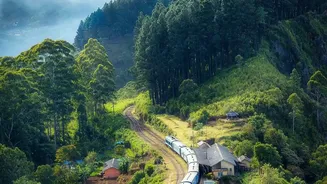
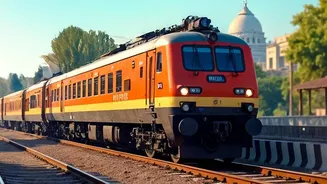
Train travel is the backbone of long-distance transport in India and offers a unique cultural experience. The Indian Railways network is one of the largest in the world, connecting thousands of towns and cities. For tourists, booking tickets on the official IRCTC website or app is the standard method, though it's recommended to register your account well in advance of your trip. Trains have various classes, with 2A (AC 2-Tier) often considered the best value for comfort and price for most travellers. 1A (First AC) offers private, lockable cabins for those seeking more privacy. Popular routes, especially on overnight trains, can sell out weeks or even months in advance, so booking early is crucial. An overnight train journey not only saves you travel time but also the cost of a hotel room.
Connecting By Road: Buses and Cars
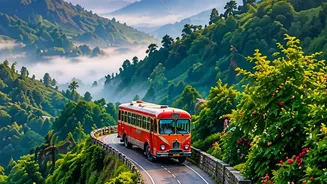
For routes not well-served by trains, particularly in hilly regions, buses are a reliable alternative. Private operators offer a range of comfortable options, including air-conditioned 'Volvo' buses and sleeper coaches for overnight journeys, which can be booked online via platforms like RedBus. Government buses are cheaper but can be more crowded and basic. For ultimate flexibility, especially when exploring regions like Rajasthan or the Himalayas, hiring a car with a driver is a popular choice. This allows you to set your own pace, make spontaneous stops, and travel door-to-door with your luggage securely stored. Self-drive rentals are rare and generally not recommended for visitors unfamiliar with local road conditions.
Taking to the Skies for Long Distances
When time is of the essence and distances are vast, domestic flights are the most efficient way to travel across India. The country has a robust network of airlines, including budget carriers like IndiGo and Akasa Air, connecting major cities and regional hubs. For journeys over 700 kilometres, a flight can save you a full day of travel. Booking tickets 21 to 60 days in advance often yields the best prices, with Tuesdays and Wednesdays statistically being the cheapest days to fly. For domestic travel, a valid government-issued photo ID like a passport, Aadhaar card, or driving license is required. Most airlines have a baggage allowance of 15kg for check-in and 7kg for cabin luggage.
Rural and Remote Area Transport
Travel in rural and remote parts of India offers its own unique set of transport options. In Himalayan regions like Ladakh and Sikkim, shared jeeps are the primary mode of transport where buses may not go. These jeeps operate on a per-seat basis and can be a cramped but essential way to navigate high-altitude roads. In the backwaters of Kerala, ferries and houseboats are common. For exploring the narrow lanes of ancient cities like Varanasi or Old Delhi, cycle-rickshaws provide a charming and eco-friendly option. The key to navigating these areas is flexibility and a willingness to embrace local methods of travel, which often become a memorable part of the journey itself.