




A Staggering Price Tag
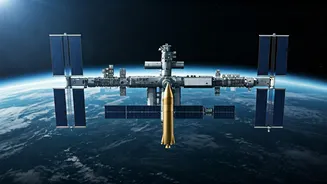
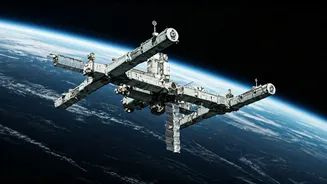
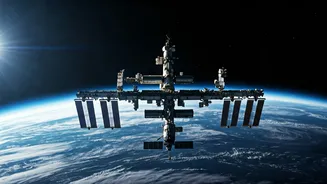
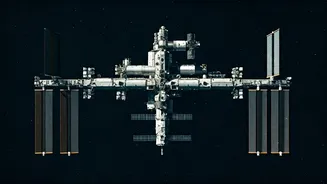
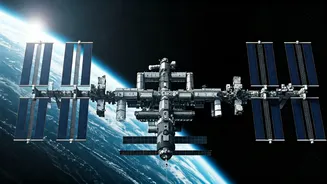
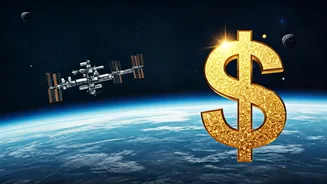
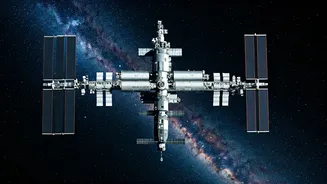
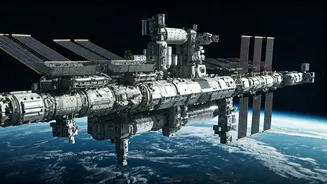
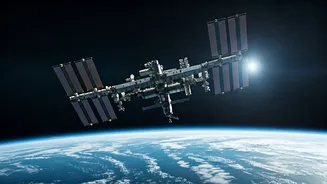
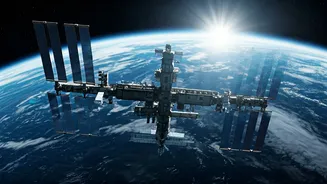
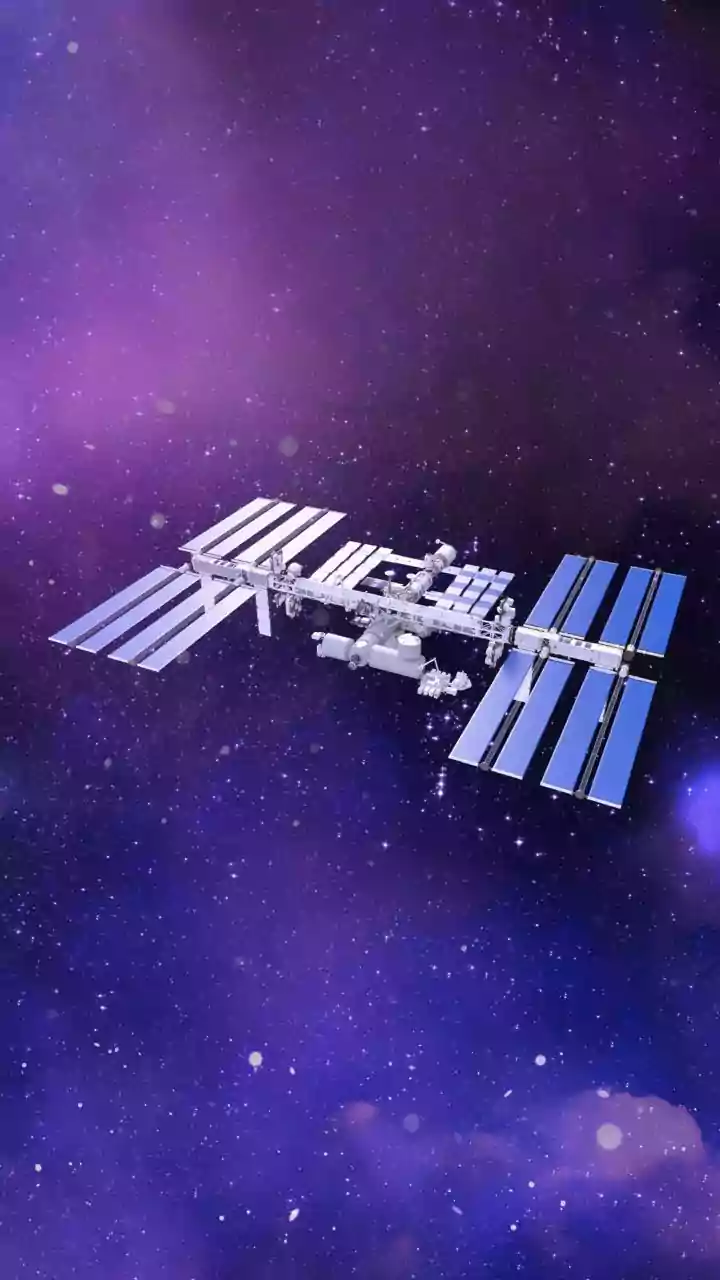
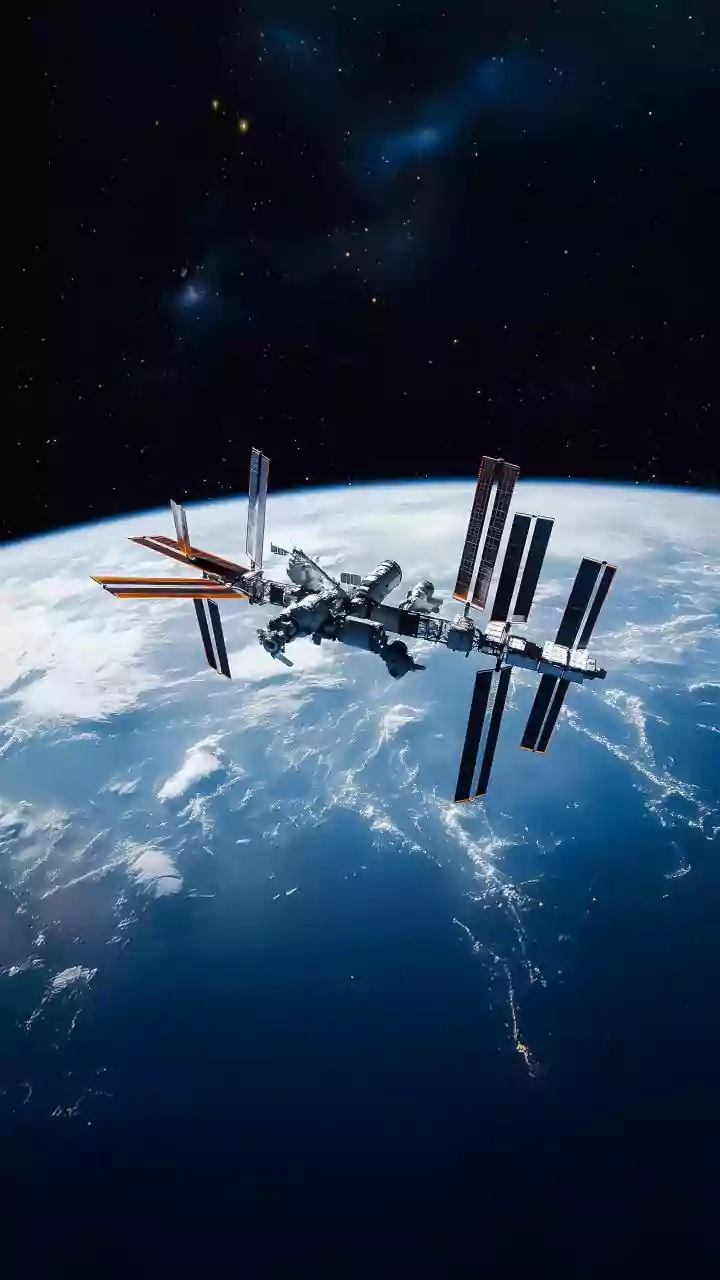
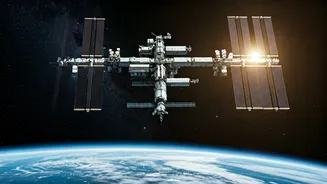
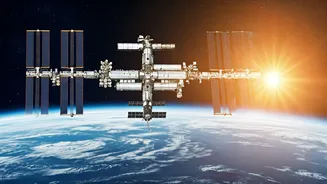
The International Space Station (ISS) is the most expensive single item ever constructed, with a total cost estimated at $150 billion as of 2010. This investment was shared among its partners: the United States (NASA), Russia (Roscosmos), Europe (ESA),
Japan (JAXA), and Canada (CSA). The price included not just the station's modules but the dozens of shuttle flights for orbital assembly. Even today, keeping the station running costs the partners a combined $3-4 billion annually.
More Than a Machine, a Symbol
The ISS is as much a diplomatic achievement as a technological one. Born from the post-Cold War era, it merged US and Russian space station plans, bringing former rivals together in the largest cooperative scientific project in history. The 1998 agreement signed by fifteen nations created a framework for shared operations. Since its first crew arrived in November 2000, it has been continuously inhabited, hosting astronauts from over 20 countries and serving as a powerful model for peaceful global partnership.
A Laboratory Unlike Any on Earth
The primary justification for the cost is science. The ISS is a unique microgravity laboratory where research impossible on Earth has led to major breakthroughs. With over 4,000 experiments conducted, scientists have used the station to improve drug development by growing more perfect protein crystals, aiding treatments for diseases like muscular dystrophy and cancer. Researchers have also created a fifth state of matter, a Bose-Einstein condensate, to probe the fundamental laws of quantum mechanics.
A New Perspective on Humanity
The station is also crucial for understanding how the human body adapts to long-duration spaceflight, which is vital for future missions to the Moon and Mars. The NASA Twins Study provided invaluable data on everything from genetic expression to changes in vision. Looking down, the ISS also provides critical data for disaster monitoring on Earth, helping track hurricanes and wildfires.
The Beginning of the End
The ISS is an aging machine. Designed for a 15-year life, its mission is now set to end in 2030, when it will be carefully deorbited into a remote part of the Pacific Ocean. In recent years, the station has shown its age with challenges like managing persistent air leaks, reminding everyone of the difficulty of maintaining such a complex vehicle in the harsh environment of space. The decision to retire it is driven by both its age and a strategic shift in orbital operations.
Paving the Way for a Space Economy
The end of the ISS will not mean the end of humans in orbit. Its legacy is the foundation for a new commercial space economy. NASA is now a partner to private companies like Axiom Space, which are building their own stations. The plan is for NASA to become one of many customers, lowering costs and freeing up resources for deep-space exploration. The ISS helped create this market by providing a destination for commercial cargo and crew vehicles developed by companies like SpaceX.