





Beyond Dieting: What Is Portion Awareness?
Portion awareness isn't about restrictive dieting or banning your favourite foods. Instead, it’s the practice of being conscious of how much you eat in one sitting. Unlike complicated calorie counting, it focuses on simple, intuitive methods to avoid
overeating. It’s a shift from a mindset of restriction to one of moderation and balance. This allows you to savour the rich flavours of Indian cuisine, from street-side chaat to elaborate wedding meals, without feeling guilty or compromising your well-being. The goal is to listen to your body’s hunger cues and stop when you feel satisfied, not stuffed.
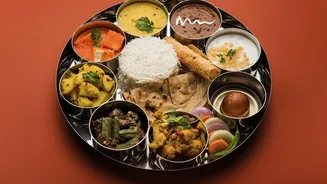
The Healthy Plate Method for Indian Meals
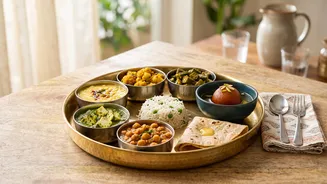
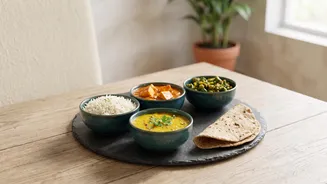
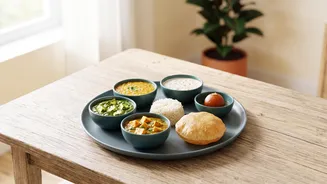
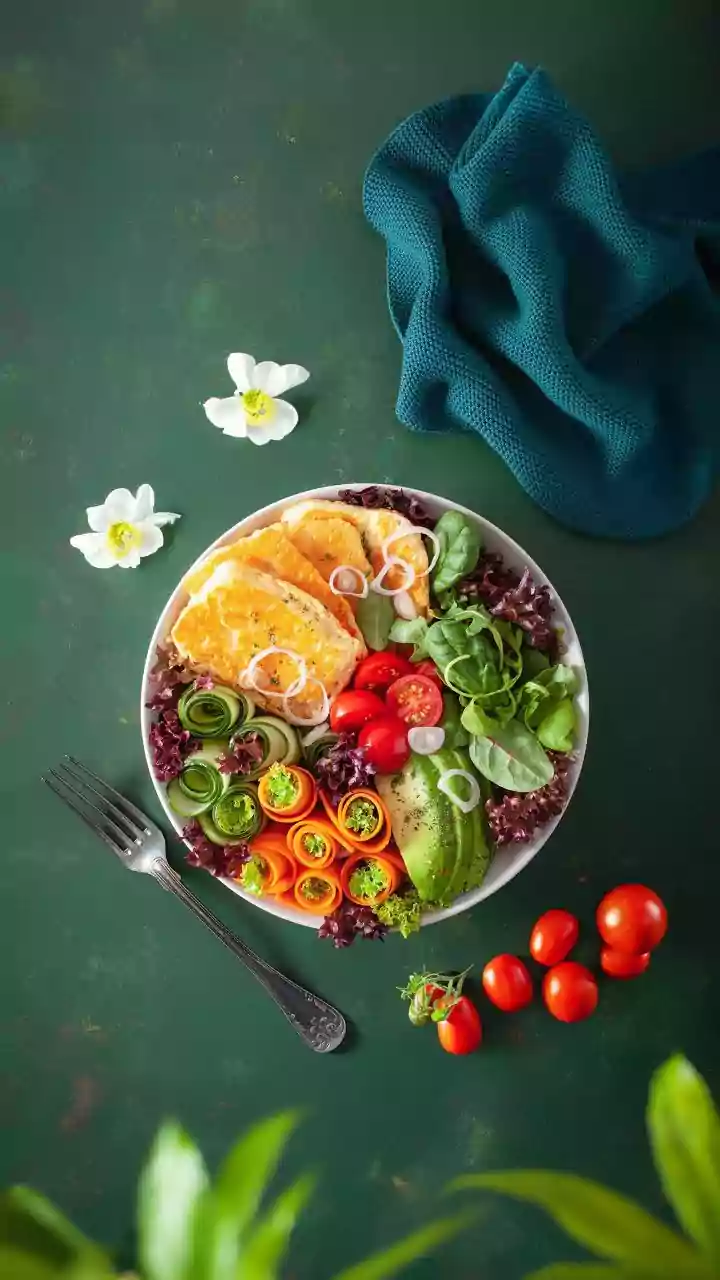
One of the most effective ways to practise portion control is the 'healthy plate method,' adapted for the Indian thali. Nutritionists suggest a simple visual rule for arranging your plate. Fill half of your plate with vegetables, whether it's a fresh salad or a lightly cooked sabzi. These are high in fibre and help you feel full. The remaining half should be split evenly between protein and carbohydrates. Dedicate one quarter to protein sources like dal, paneer, chana, or lean meats. The final quarter is for carbohydrates such as roti, rice, or millets. This structure ensures you get a balanced mix of nutrients in every meal.
Navigating the Festive Feast Mindfully
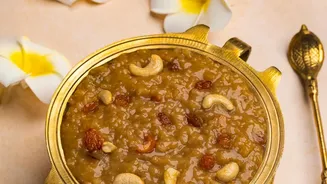
Festivals in India are synonymous with food, and saying no can be difficult. Portion awareness offers a strategy to partake in the joy without the post-feast regret. A key tip is to never arrive at a party starving; having a small, healthy snack beforehand can prevent you from overindulging. When faced with a buffet, use a smaller plate. This psychologically helps in managing how much you serve yourself. Try the 'taste everything, finish nothing' approach—sample small bites of your favourite dishes instead of taking large helpings. Prioritise protein and vegetable-based dishes first before moving to fried snacks and sweets. For desserts, stick to the 'one-sweet rule' by picking your absolute favourite and savouring it slowly.
Simple Tricks for Everyday Eating
Incorporating portion awareness into your daily routine can be simple. Using your hands can be a surprisingly effective guide for serving sizes. A palm-sized portion is often recommended for protein, a cupped hand for grains like rice, and a fist-sized portion for vegetables. Another effective strategy is to serve food from the kitchen instead of placing large serving dishes on the dining table, which can discourage mindless second helpings. Eating slowly and without distractions like your phone or the television also helps. It gives your brain time to register that you're full, preventing you from eating more than your body needs.
Making Smart Swaps and Staying Hydrated
Small changes can make a big difference. Opt for baked, grilled, or steamed versions of your favourite snacks, like choosing a tandoori platter over fried pakoras. When making sweets at home, consider using natural sweeteners like jaggery or dates instead of refined sugar. Staying hydrated is also crucial, as thirst is often mistaken for hunger. Drinking a glass of water before a meal can help you feel fuller. During celebrations, alternating alcoholic or sugary drinks with water is a smart way to cut down on empty calories and stay hydrated.