




The International Head-to-Head
When Argentina and Spain meet, the history books show a tightly contested rivalry. The two nations have faced each other 14 times in official international matches. The record is remarkably balanced, with some sources giving Spain a slight edge with seven
wins to Argentina's six, alongside one draw. Others suggest the record is perfectly even at six wins apiece with two draws. Regardless of the exact count, the narrative is clear: there is very little to separate these two giants historically. Their most recent encounters have been memorable for different reasons. In 2010, just after winning their first World Cup, Spain were humbled 4-1 by an Argentine side featuring Messi on the scoresheet. However, the most recent meeting before this tournament was a chastening 6-1 victory for Spain in a 2018 friendly, a match that Messi missed due to injury. Interestingly, their only meeting on the World Cup stage came all the way back in 1966, a group stage match that Argentina won 2-1.
Messi's Record Against 'Spain'
While Messi's record against the Spanish national team is part of the broader history, his performance against Spanish club sides tells a story of utter dominance. For nearly two decades, as the icon of FC Barcelona, Messi terrorised defences across La Liga. The numbers are staggering. He is the league's all-time leading scorer, and his favourite victims are a who's who of Spanish football. He scored 37 goals against Sevilla, 31 against Atlético Madrid, 28 against Valencia, and a remarkable 27 goals against arch-rivals Real Madrid. In total, he netted 672 goals in 778 official matches for Barcelona. While this final is a different context, it’s impossible to ignore that Messi has spent a career dismantling defences built around the core principles and players that define Spanish football. He understands the tactical DNA of his opponents better than anyone.
Argentina’s Road to the Final
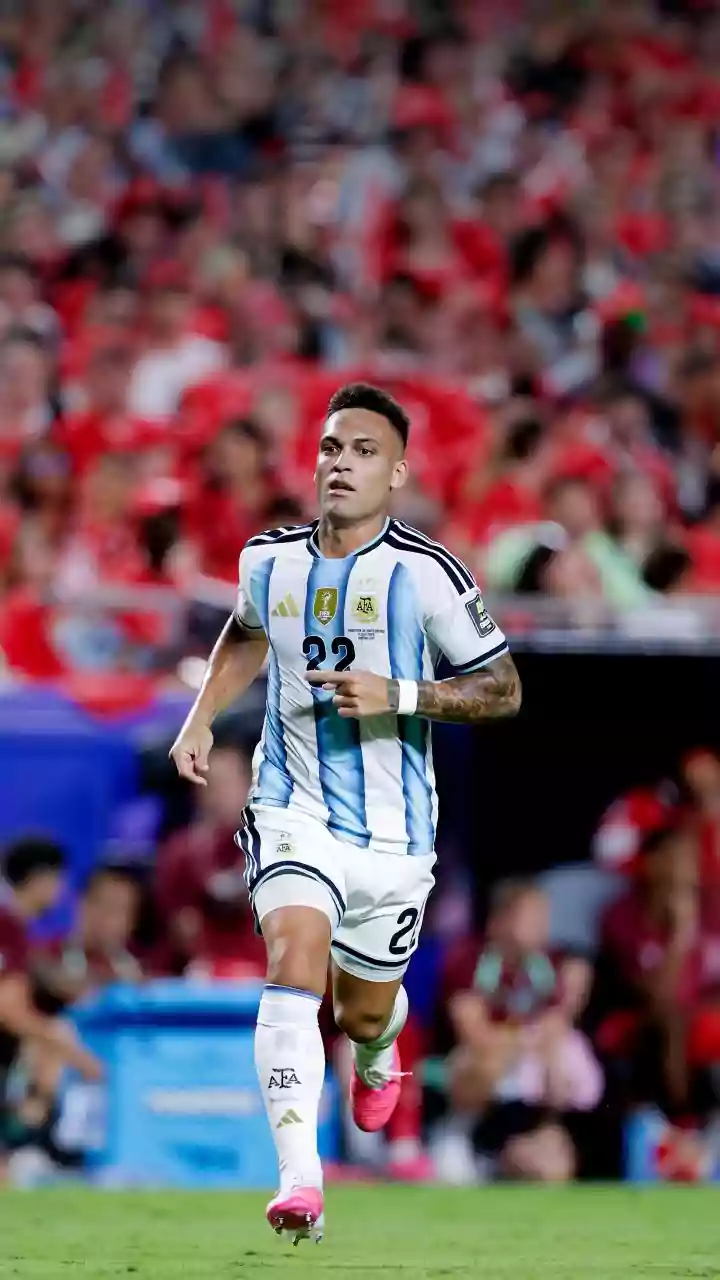
The reigning world champions have navigated a tough path to this final. Their journey through the knockout stages has been a testament to their resilience and the enduring magic of their captain. After a hard-fought campaign, they overcame a stubborn Switzerland in the quarter-finals with a 3-1 victory after extra time, thanks to goals from Alexis Mac Allister, a stunner from Julián Álvarez, and a late strike from Lautaro Martínez. In the semi-finals, they faced their old rivals England, securing a dramatic 2-1 win to book their place in the final. The team, led by coach Lionel Scaloni, has shown it can win in different ways—through tactical discipline, flashes of individual brilliance, and the unwavering leadership of Messi, who has continued to be a primary source of goals and inspiration.
Spain's Tactical Machine Reborn
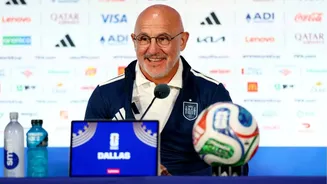
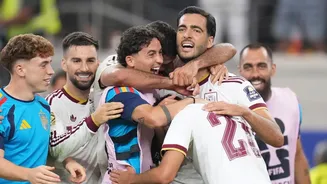
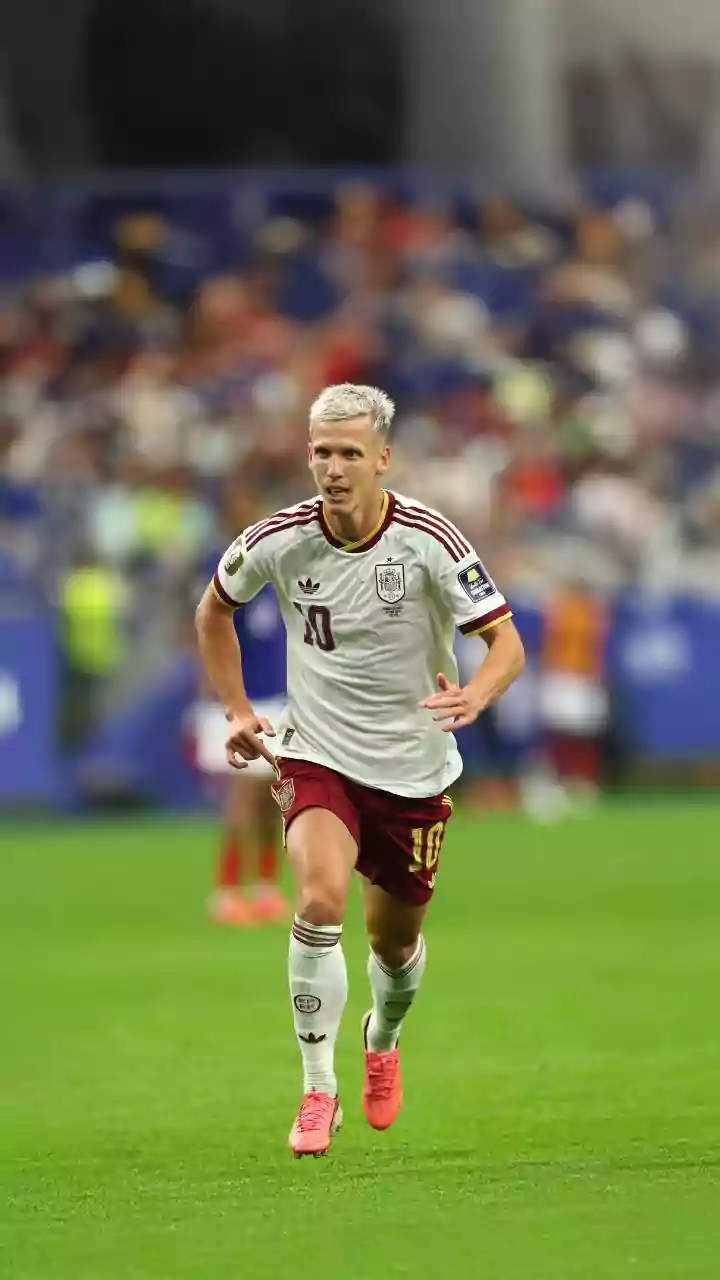
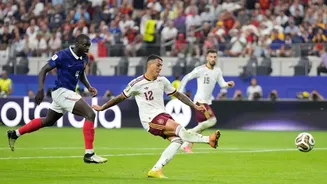
Spain entered this final on the back of a dominant run, culminating in a masterful 2-0 victory over a star-studded French side in the semi-finals. Under coach Luis de la Fuente, who has worked with many of the squad's players at youth level, La Roja has re-established its identity. Their path to the final included impressive victories over European powerhouses like Portugal and Belgium. This Spanish team is a blend of experienced heads and a new golden generation, featuring prodigious talents like Lamine Yamal and Pedri. Their success is built on the classic Spanish philosophy of possession, technical excellence, and tactical intelligence. They arrived at the final on a long unbeaten streak, having also won the UEFA European Championship in 2024, signalling a return to the pinnacle of world football.
The Decisive Numbers
So, what will decide this contest? For Argentina, the equation remains centred on their iconic number 10. In this tournament, Messi has reportedly scored eight goals, adding to his legacy as one of the World Cup's greatest-ever scorers. Argentina’s success relies on their solid defensive structure and the ability of players like Álvarez and Mac Allister to support their talisman. Spain, on the other hand, presents a collective threat. They function as a cohesive unit, suffocating opponents with their passing and movement. Their journey to the final has been built on defensive solidity and control, conceding very few goals along the way. The final pits Messi's quest for a historic second consecutive World Cup against a Spanish system designed to neutralise individual genius through collective superiority. It's the ultimate test of two opposing, yet equally successful, footballing philosophies.