

Beyond Achaar: What Are Express Fermented Pickles?
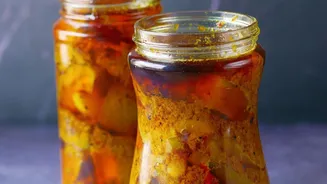
When we think of pickles in India, our minds often go to the beloved, sun-drenched achaars that take weeks, if not months, to mature. Express fermented pickles, however, are a different beast altogether. These are not the shelf-stable vinegar pickles you
find in stores, nor are they the oil-laden preserves of our grandmothers. Instead, they are quickly lacto-fermented vegetables, a process that relies on salt, water, and the natural bacteria present on the vegetables themselves. The process is wonderfully simple: vegetables are submerged in a salt brine and left at room temperature for just a few days. During this time, beneficial bacteria get to work, converting sugars into lactic acid. This acid is what gives the pickles their characteristic tangy flavour and also acts as a natural preservative. Unlike traditional canning, there's no complex equipment needed, and the result is a live, probiotic-rich food that's ready to eat in as little as three to five days.
The Magic of Contrast on Your Plate
The true genius of these pickles lies in the 'contrast' they bring to a meal, transforming a simple dinner into a more dynamic experience. The contrast is threefold: flavour, texture, and colour. Festive Indian meals are often rich, creamy, and feature deep, complex flavours. A bite of a tangy, slightly effervescent fermented carrot or radish cuts through that richness beautifully, cleansing and awakening the palate. Then there's the texture. Imagine the satisfying crunch of a crisp dilly bean or a sliver of fermented beetroot alongside a soft pulao or a creamy paneer butter masala. This textural play makes each mouthful more interesting. Finally, they add a visual pop. A dollop of bright pink pickled beetroot or sunny orange carrots can make a plate of food look instantly more appetising and festive.
Your Simple Guide to Express Fermentation
Getting started is easier than you think. You don't need a precise recipe, but rather a method. First, choose your vegetables. Firm ones work best, such as carrots, radishes, cucumbers, green beans, cauliflower, and beets. Wash them well and chop them into sticks, coins, or spears. Next, prepare a basic brine. A good starting point is dissolving non-iodized sea salt in filtered water. The general ratio is about 1.5 to 2 tablespoons of salt per litre of water. Pack your vegetables tightly into a clean glass jar, leaving about an inch of space at the top. You can add aromatics for extra flavour—smashed garlic cloves, dill, mustard seeds, and peppercorns are excellent choices. Pour the cooled brine over the vegetables until they are completely submerged. It's crucial they stay under the brine to prevent mould. Loosely cover the jar and leave it on your counter, away from direct sunlight, for 3-7 days. You’ll see bubbles forming, and the brine will turn cloudy—this is a sign the magic is happening. Taste them every day after day three; once they're sour enough for your liking, tighten the lid and move them to the fridge to slow the fermentation.
Perfect Pairings for Indian Festive Meals
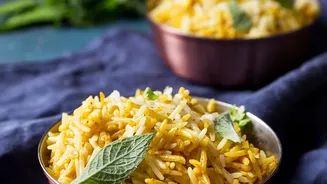
The versatility of these quick pickles is their superpower. They are not just a side dish but an active ingredient that can elevate many festive staples. Serve a small bowl of mixed fermented carrot and radish sticks alongside rich curries like korma or dal makhani to cut through the creaminess. Spicy fermented green beans or cauliflower florets are a fantastic accompaniment to biryanis and pulaos, offering a sharp, crunchy counterpoint. You can also finely chop them to create an instant relish for samosas or other fried snacks. For a modern twist, try a 'pickle board' as an appetiser, featuring a variety of these express pickles with some cheese and nuts. Even the brine is useful; a splash can add complexity to soups or be used to start your next batch of pickles.