




Start With the 'Why'
Before you even look at the price tag or brand, ask yourself one simple question: “What is this for?” Defining the primary purpose of a garment is the most crucial step toward making a smart purchase. Is this a blazer for important client meetings, or a casual
jacket for weekend errands? Is it a dress for a specific wedding, or a versatile piece for regular date nights? This simple mental exercise prevents you from buying clothes for a fantasy life and instead grounds your wardrobe in your actual day-to-day needs. Thinking about the 'why' creates a framework for every other decision. An item's purpose acts as your guide, ensuring that what you bring home is not just beautiful, but genuinely useful.
Let Use Dictate the Fabric
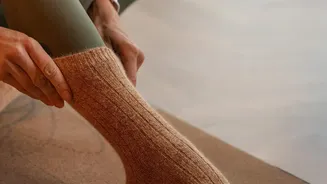
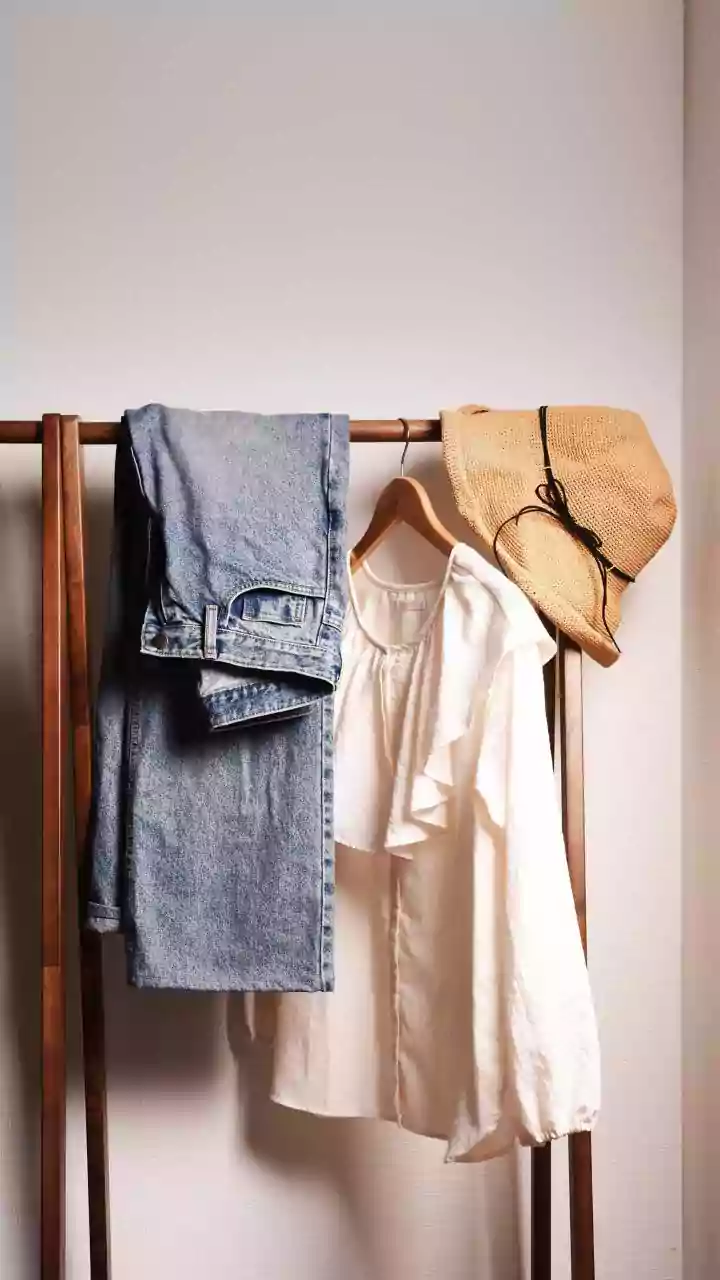
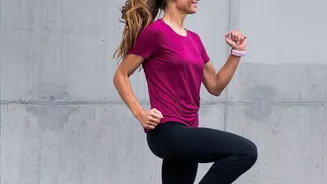
Once you know an item’s job, choosing the right material becomes intuitive. Different fabrics have distinct properties suited for different activities. For professional settings, structured materials like wool or high-quality polyester blends hold their shape and convey seriousness. For everyday casual wear, breathable and soft fabrics like cotton are ideal for comfort. Activewear requires synthetic fabrics like spandex or nylon that offer stretch and wick moisture away from the skin. For a formal event, you might choose luxurious but delicate fabrics like silk or satin that drape beautifully but require special handling. By matching the fabric to the function, you ensure the garment will not only look the part but also perform comfortably and appropriately for its intended role.
A Fit That Serves a Function
Fit is not a one-size-fits-all concept; it is entirely dependent on function. A 'good fit' for a pair of lounge pants is relaxed and comfortable, while a 'good fit' for a suit jacket means the shoulder seams align perfectly with your shoulder bone and you can button it without the fabric pulling. Formalwear often calls for a tailored, structured fit that enhances your silhouette for a specific event. In contrast, casual clothing allows for a more relaxed fit that prioritizes freedom of movement. Outerwear needs to have enough room for layering underneath. Thinking about use helps you avoid common mistakes, like buying trousers that are too tight to sit in comfortably for a full workday or a top so loose it looks sloppy rather than intentionally relaxed.
The Care and Commitment Calculation
A garment’s intended use should also inform how much maintenance you’re willing to tolerate. A t-shirt you plan to wear weekly should be durable and machine-washable. Conversely, a 'dry clean only' tag on a special-occasion dress worn twice a year is a reasonable trade-off. Before you buy, check the care label and be honest with yourself. If you know you won't hand-wash a delicate sweater or regularly take a blazer to the dry cleaner, that item might not be practical for its intended frequent use, no matter how much you like it. Aligning care requirements with an item's role in your life prevents beautiful clothes from languishing in the laundry basket, unworn because their upkeep is too demanding for their function.
Thinking in 'Cost Per Wear'
Finally, consider the concept of 'cost per wear'. This metric is calculated by dividing the total cost of an item (including any alterations) by the number of times you wear it. A high-quality, expensive coat worn hundreds of times over several years has a much lower cost per wear than a cheap, trendy top worn only twice before it falls apart. When you start with an item's use, you can better justify investing in quality for wardrobe workhorses—the pieces you'll rely on constantly. For items with a very specific, limited use, a lower initial investment might make more sense. This mindset shifts the focus from the upfront price to the long-term value, encouraging you to buy fewer, better things that truly serve a purpose in your life.