




Mapping Your Route
The journey to Satara is as beautiful as the destination itself, with well-maintained highways making for a smooth drive. From Mumbai, the trip is approximately 255 kilometres and takes around five hours. The most popular route involves taking the Mumbai-Pune
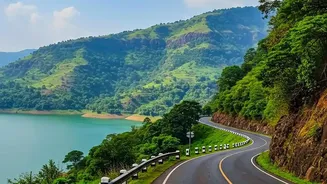
Expressway before seamlessly transitioning onto the NH48, which leads directly to Satara. For those starting from Pune, the drive is a much shorter 110 kilometres, typically taking just over two hours along the same NH48. This stretch is renowned for its excellent road conditions, passing through scenic ghats and offering glimpses of rural Maharashtra's charm. An early morning start is recommended to avoid city traffic and enjoy the cool mountain air.
A Drive Drenched in Green
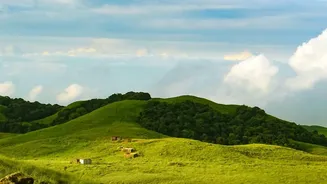
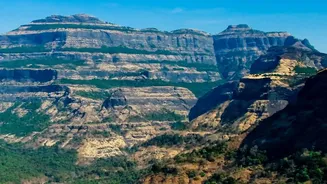
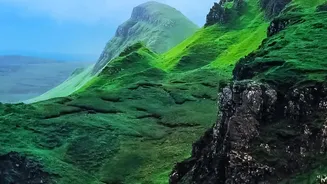
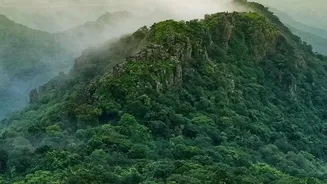
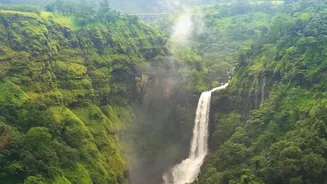
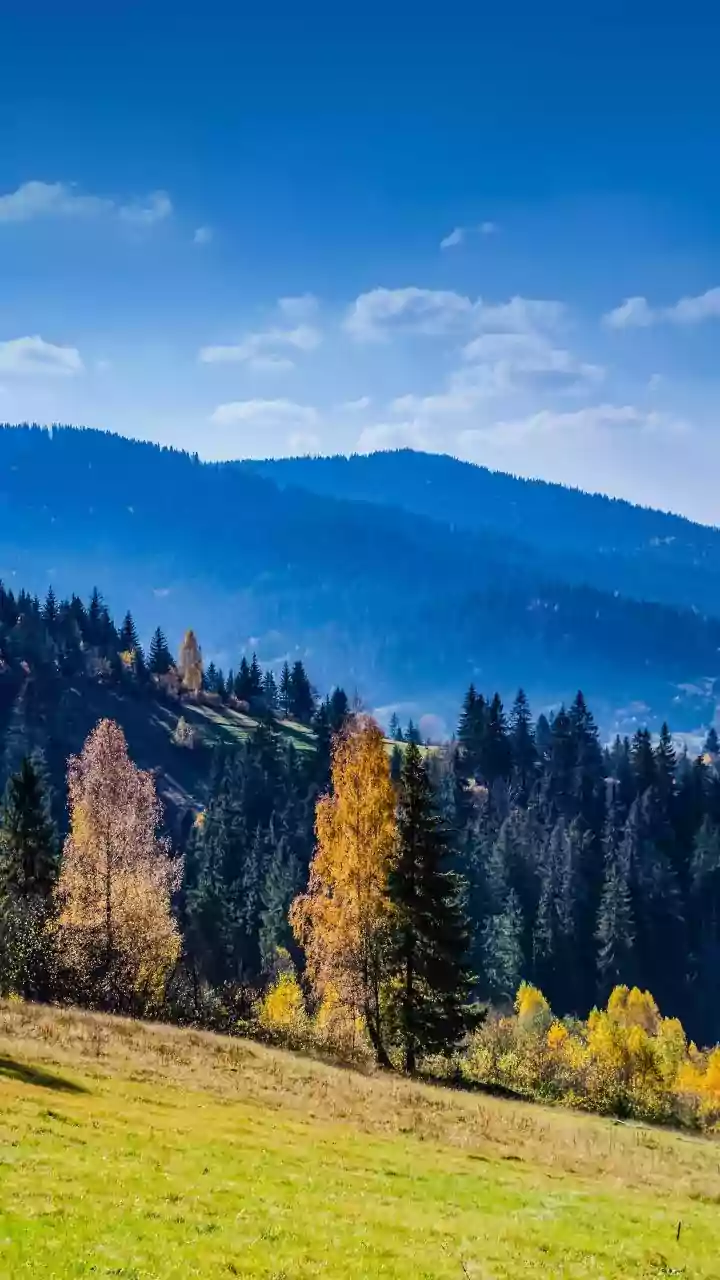
While the drive is pleasant year-round, it becomes truly magical during and immediately after the monsoon season, from July to October. The Sahyadri mountain range, a part of the Western Ghats, sheds its brown coat for a vibrant, emerald green. The highways are flanked by lush landscapes, misty valleys, and countless seasonal waterfalls that cascade down the hillsides. The Khambatki Ghat section on NH48, just before Satara, is particularly famous for its winding roads and panoramic views. This is a drive where you’ll want to keep your camera ready, as every turn reveals another picture-perfect scene of nature's dramatic display.
Gateway to Maratha History
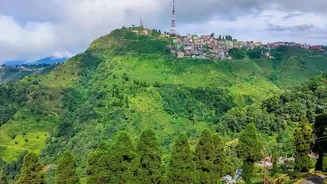
Upon arrival, you'll find that Satara is a city steeped in history. Its name is derived from the seventeen ('satra') walls and bastions of its iconic fort. Once the proud capital of the Maratha Empire under Chhatrapati Shahu Maharaj, the city resonates with tales of valour and legacy. The most prominent landmark is the Ajinkyatara Fort, which translates to 'The Impregnable Star'. Perched on a hill 3,300 feet high, the fort offers a commanding 360-degree view of the entire city and the surrounding valleys. Though it requires a short trek or a drive up a motorable road, the historical ruins and the sheer scale of the fort make the effort worthwhile.
Exploring Satara's Treasures
Beyond its main fort, Satara holds other historical gems. The Shri Chhatrapati Shivaji Maharaj Museum offers a deeper look into the region's past, showcasing a collection of weapons, artefacts, and paintings from the Maratha era. For a touch of spiritual calm, you can visit Sangam Mahuli, a sacred spot at the confluence of the Krishna and Venna rivers, dotted with ancient temples. A short drive away is the historic town of Wai, famous for its picturesque ghats on the Krishna River and as a popular location for many Bollywood film shoots.
Nature's Spectacle Beyond the City
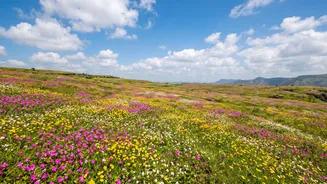
Satara serves as the perfect base to explore some of Maharashtra’s most stunning natural wonders. Just 20 kilometres away lies Thoseghar Waterfalls, a series of cascades with one plunging over 200 metres, creating a powerful and awe-inspiring spectacle during the monsoon. Even more famous is the Kaas Plateau, a UNESCO World Natural Heritage site located about 25 kilometres west of the city. From late August to early October, this volcanic plateau transforms into a 'valley of flowers,' covered by a vibrant carpet of over 850 different species of wildflowers. It’s a fragile, protected ecosystem that draws nature lovers from across the country. Remember to book entry passes online in advance, as visitor numbers are limited.